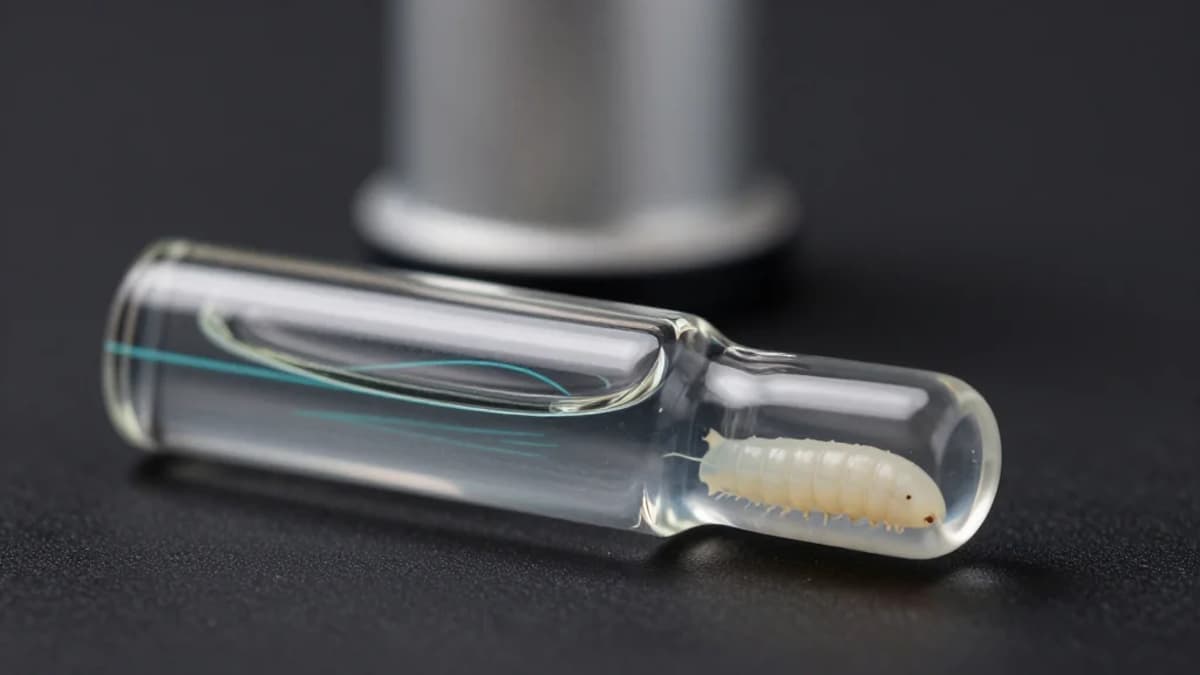
AI Techniques Speed up Forensic Analysis of Crucial Crime Scene Larvae
•March 10, 2026
0
Why It Matters
Accelerating insect identification cuts investigation time and costs while improving the accuracy of post‑mortem interval estimates, a critical factor in homicide cases.
Key Takeaways
- •AI classifies maggot species from chemical fingerprints in minutes
- •Infrared spectroscopy identifies larval sex with >90% accuracy
- •Method works on pupal casings, revealing toxins and timelines
- •Reduces reliance on costly DNA sequencing and lab expertise
- •Database validation needed to prevent forensic misinterpretation
Pulse Analysis
Forensic entomology has long been a niche but vital discipline, using the life cycles of blowflies and other insects to estimate time of death and reconstruct crime‑scene events. Traditional workflows require rearing larvae to adulthood, visual identification, or DNA sequencing—processes that are time‑consuming, expensive, and demand specialized expertise that many crime labs lack. As a result, valuable insect evidence is often underutilized, limiting investigators’ ability to pinpoint when a body was colonized or whether toxins were present.
The new AI‑driven workflow sidesteps these bottlenecks by profiling the metabolome of eggs, larvae, pupae, and even discarded pupal casings with mass spectrometry and handheld infrared devices. Machine‑learning models trained on thousands of chemical signatures can match a sample to a species or sex in under five minutes, delivering results at a fraction of the cost of a DNA sequencer. This capability extends to degraded or missing specimens, allowing forensic teams to extract toxin information from pupal shells and potentially estimate the age of the casings themselves. The speed and portability of the technology enable on‑site analysis, reducing back‑log and preserving evidence integrity.
Despite the promise, integrating AI into forensic practice raises validation and bias concerns. Experts stress that chemical fingerprint databases must undergo rigorous accreditation comparable to DNA banks to ensure courtroom admissibility. Moreover, environmental contaminants and individual variation could skew molecular markers, necessitating continuous data expansion and cross‑regional sampling. As research matures, the forensic community will need standardized protocols and transparent model auditing to prevent miscarriages of justice while harnessing AI’s power to transform crime‑scene investigations.
AI techniques speed up forensic analysis of crucial crime scene larvae
0
Comments
Want to join the conversation?
Loading comments...