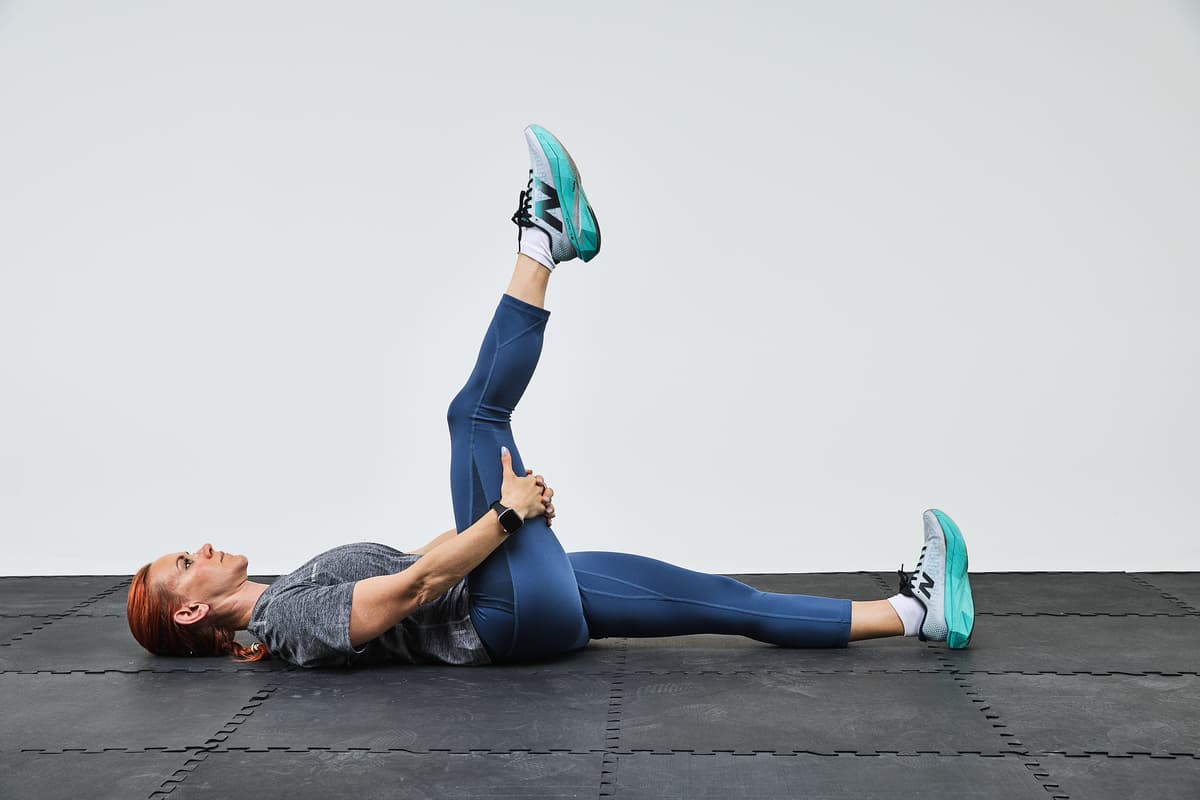
3 Nerve-Flossing Moves to Help Runners Ease Common Pain Points
Why It Matters
Enhanced nerve glide can prevent chronic neural irritation, preserving running performance and reducing injury‑related downtime. Adding flossing to a balanced strength‑mobility routine offers a low‑cost, self‑managed tool for injury mitigation.
Key Takeaways
- •Nerve flossing improves nerve glide, easing sciatic and ankle nerve pain
- •Slider technique preferred for sensitive nerves; tensioner for stronger irritation
- •Perform flossing after dynamic warm‑up or post‑run cooldown
- •Consult PT to rule out acute nerve root irritation before self‑treatment
- •Integrating flossing with strength training boosts overall mobility
Pulse Analysis
Runners are increasingly hearing the term "nerve flossing" in gyms and online forums, reflecting a broader shift toward neurodynamic care in endurance sports. Unlike traditional static stretches, flossing targets the nerve’s ability to glide through surrounding tissue, using controlled tension‑release cycles that can reduce hypersensitivity and improve proprioception. While scientific literature is still emerging, early clinical observations suggest that regular flossing may lower the incidence of nerve‑related complaints such as sciatica, tibial nerve entrapment, and peroneal irritation, especially in athletes who log high mileage without adequate cross‑training.
In practice, the technique fits neatly into a runner’s existing warm‑up or cooldown regimen. The slider approach—where one end of the nerve remains slack while the other is gently moved—offers a tolerable entry point for most athletes, whereas the tensioner is reserved for more robust cases under therapist supervision. Incorporating flossing after dynamic drills ensures the surrounding muscles are warm, enhancing blood flow and reducing the risk of aggravating nerve tissue. When paired with strength exercises like Romanian deadlifts, which naturally tension nerves through full‑range motion, flossing becomes a complementary tool that supports joint stability and muscular balance, ultimately translating to smoother strides and fewer setbacks.
Looking ahead, the integration of nerve flossing into mainstream running programs could reshape injury‑prevention strategies. Physical therapists are advocating for routine neurodynamic assessments to identify early signs of nerve compression before pain escalates. As research clarifies the physiological mechanisms—potentially involving improved axonal transport and reduced inflammatory signaling—coaches may prescribe personalized flossing protocols alongside mileage plans. For runners, the key takeaway is to treat nerve health with the same diligence as muscle conditioning, seeking professional guidance to tailor the approach and avoid contraindications such as acute nerve root irritation.
3 Nerve-Flossing Moves to Help Runners Ease Common Pain Points
Comments
Want to join the conversation?
Loading comments...