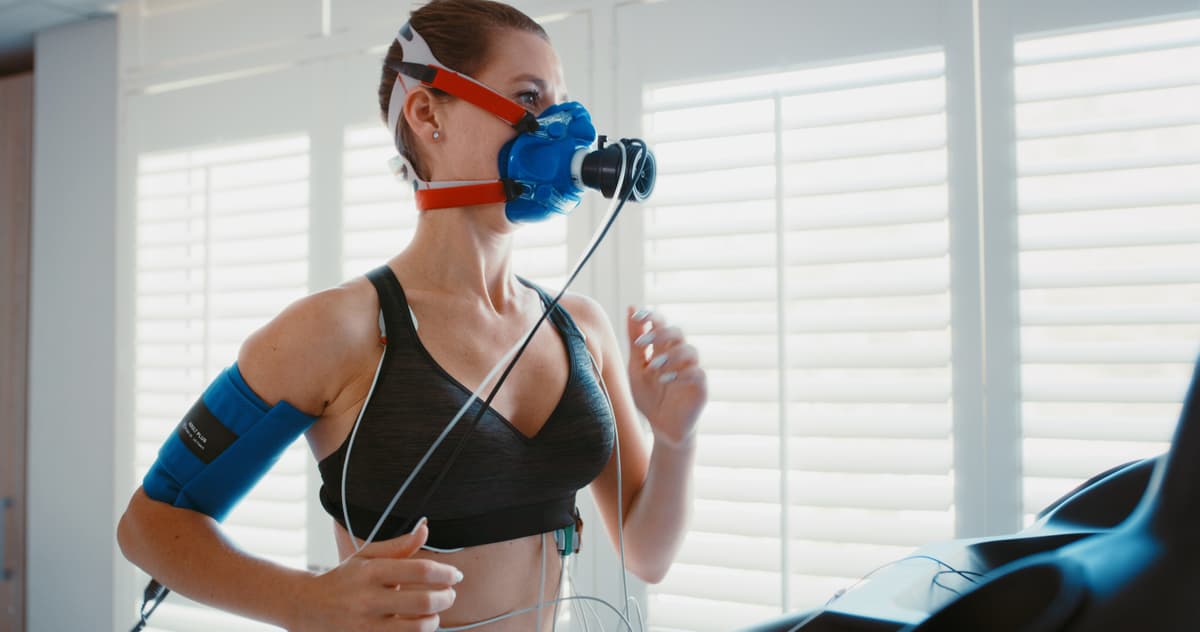
A VO2 Max Test Can Reveal Your Untapped Potential. But When You Take It Is the Secret to Training Smarter.
Why It Matters
Accurate VO₂ max data lets runners fine‑tune training zones, track fitness gains, and make evidence‑based adjustments, directly impacting performance and injury risk.
Key Takeaways
- •Test VO2 max at start of training block for baseline data
- •Retest midway (≈6 weeks) to gauge progress and adjust zones
- •Skip testing if training inconsistent or no program changes planned
- •Prepare with hydration, rest, no caffeine, and familiar gear
Pulse Analysis
Understanding when to schedule a VO₂ max test is a cornerstone of modern endurance training. By establishing a baseline at the outset of a training block, athletes gain a concrete measure of their aerobic ceiling, which can be translated into precise heart‑rate zones for subsequent workouts. This data-driven approach replaces generic age‑based estimates, allowing runners to allocate effort where it yields the greatest performance dividends and to monitor how effectively their training stimulus translates into physiological adaptation.
Mid‑cycle retesting, typically after six weeks or just before a major shift such as moving from a build phase to a peak phase, offers a critical feedback loop. The results reveal whether volume, intensity, or recovery tweaks are delivering the expected VO₂ max improvements. If the metric stalls, coaches can pivot—adding interval work for those who respond to intensity or increasing mileage for volume‑responsive athletes. Conversely, a noticeable uptick validates the current plan, reinforcing confidence in the periodization strategy and reducing the risk of overtraining.
While the benefits are clear, the test’s cost and effort demand strategic timing. Athletes who have disrupted training schedules, are not planning program changes, or already sit near the “excellent” VO₂ max range for their age may see limited returns. Proper preparation—adequate hydration, a full night’s sleep, abstaining from caffeine, and wearing familiar shoes—ensures the test captures true maximal effort rather than a compromised effort. By treating the VO₂ max assessment as a calibrated performance checkpoint rather than a routine lab visit, runners can unlock untapped potential and make smarter, evidence‑based training decisions.
A VO2 Max Test Can Reveal Your Untapped Potential. But When You Take It Is the Secret to Training Smarter.
Comments
Want to join the conversation?
Loading comments...