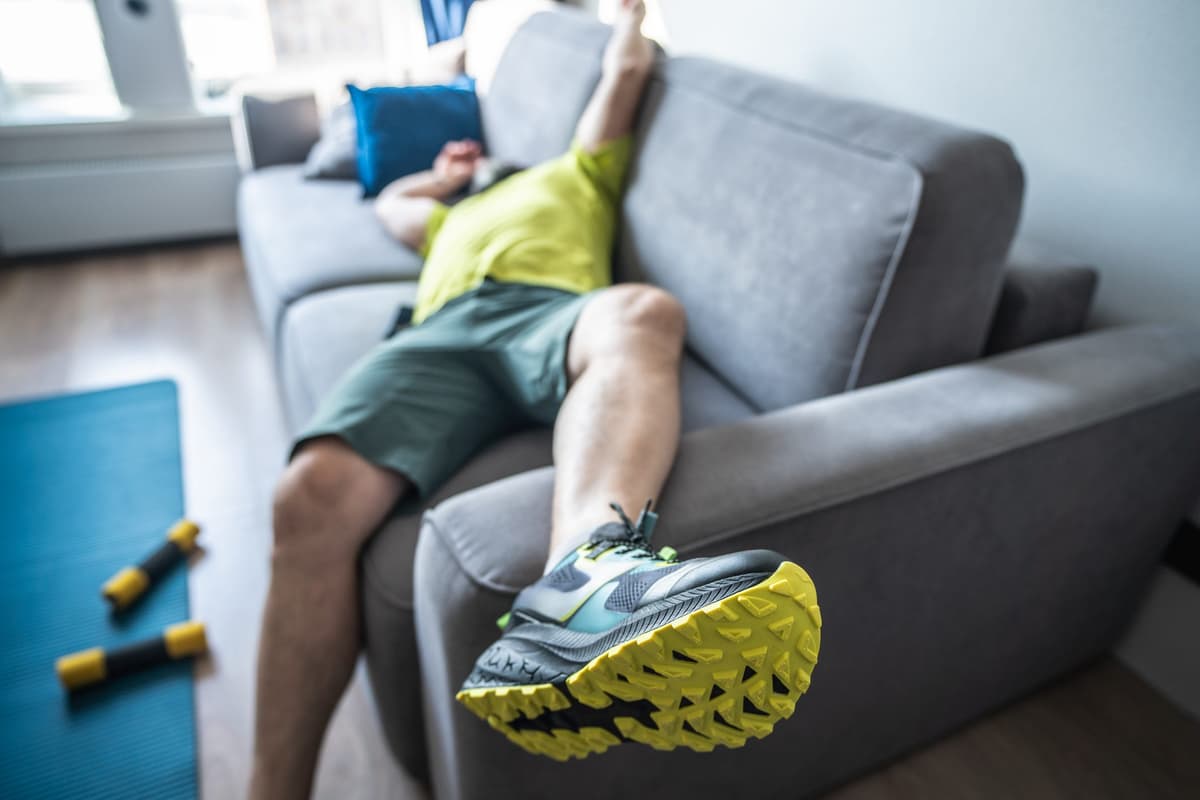
What Sleeping Position Yields Maximum Recovery for Runners?
Why It Matters
Adequate, uninterrupted sleep drives growth‑hormone spikes essential for muscle repair, so optimizing sleep posture and environment directly influences a runner’s performance and injury risk.
Key Takeaways
- •Side sleeping reduces apnea risk and supports spinal alignment
- •Pillow between knees keeps hips neutral, easing IT‑band strain
- •Cooler bedroom (60‑67 °F) improves deep‑sleep hormone release
- •Back sleepers need knee support to lower lumbar tension
- •Persistent soreness warrants medical evaluation beyond pillow tweaks
Pulse Analysis
Running places a high metabolic demand on muscle fibers, and the bulk of tissue repair occurs during deep, non‑REM sleep when growth‑hormone pulses surge. For endurance athletes, even a half‑hour shortfall can blunt glycogen restoration and elevate cortisol, slowing adaptation. Consequently, sleep hygiene—consistent bedtime, adequate duration, and minimal disruptions—outweighs the minutiae of how one curls up. Runners who prioritize total sleep time typically see faster mileage gains, lower injury rates, and steadier performance plateaus than those who focus solely on gear or stretching routines.
Among the positions that survive scientific scrutiny, side sleeping consistently ranks highest for athletes. Lying on the left or right flank keeps the airway open, reducing the likelihood of obstructive events that fragment REM cycles. When paired with a firm pillow between the knees, the pelvis stays level, preventing excessive internal rotation that aggravates the IT‑band or lateral knee pain. Back sleepers can still benefit by placing a cushion under the knees to relieve lumbar strain, but they must monitor for snoring or apnea, which can sabotage recovery.
The bedroom itself functions as a recovery tool. A temperature range of 60‑67 °F encourages the core‑body cooling needed for the onset of slow‑wave sleep, while breathable linens and moisture‑wicking sleepwear prevent night sweats that interrupt the cycle. Experts often cite the SLANT framework—Surface, Light, Air, Noise, Temperature—to fine‑tune the environment. If a runner experiences chronic morning stiffness despite optimal positioning and climate control, the issue likely lies beyond pillows; a sleep study or orthopedic assessment may be the next logical step.
What Sleeping Position Yields Maximum Recovery for Runners?
Comments
Want to join the conversation?
Loading comments...