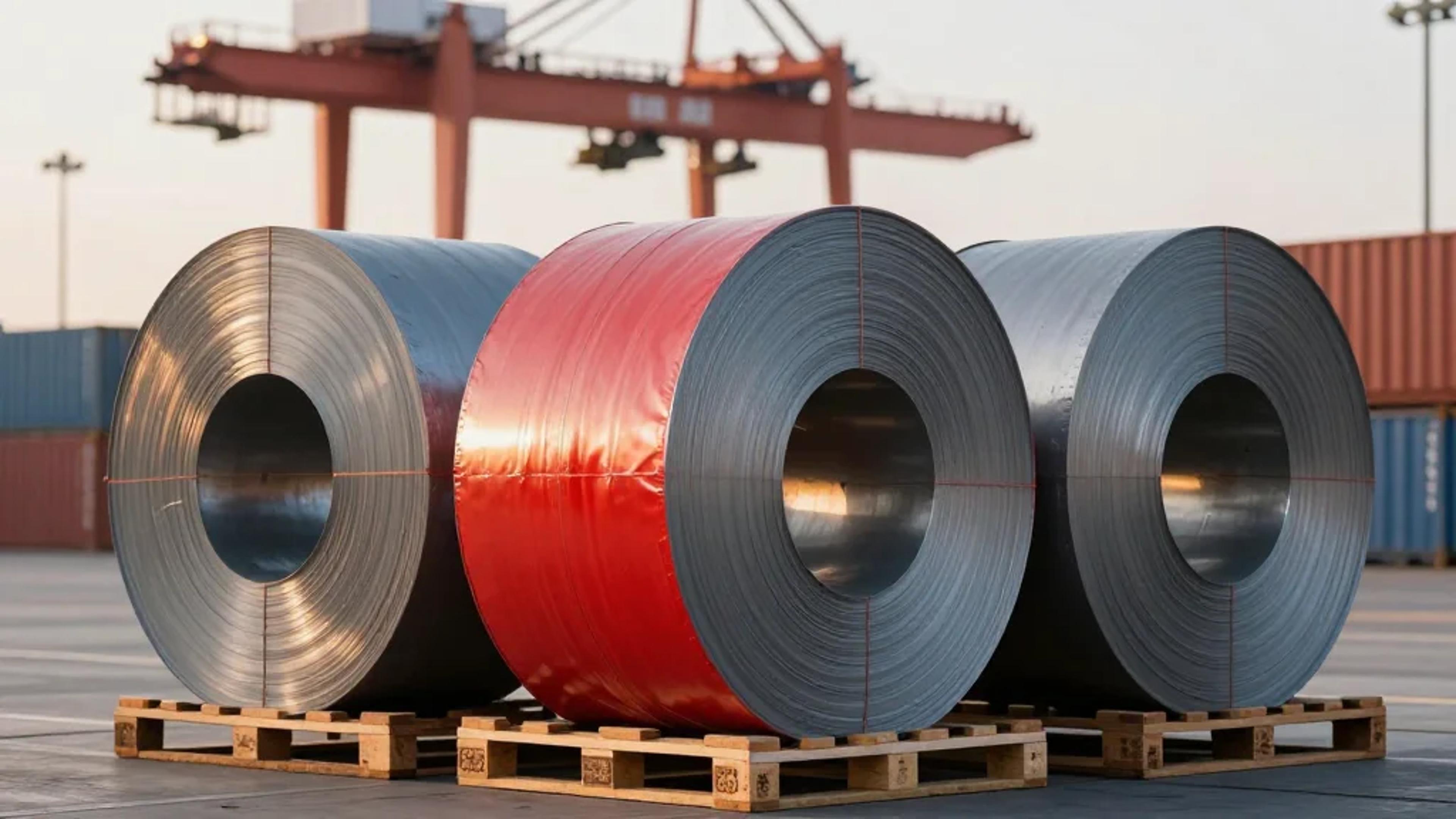
Brazil Imposes Anti-Dumping Duties on Chinese Steel
•February 20, 2026
0
Why It Matters
The duties shield Brazil’s steel sector from unfair pricing, but they also raise raw‑material costs for automakers, potentially reshaping supply chains and pricing dynamics in Latin America’s largest automotive market.
Key Takeaways
- •Brazil levies 5‑year anti‑dumping duties on Chinese steel.
- •CRC duties $323‑$670/ton; HDG duties $285‑$710/ton.
- •Chinese steel accounts for 64% of Brazil’s rolled imports.
- •Vehicle manufacturers face higher input costs from duty hikes.
- •Domestic producers gain price protection, may boost local output.
Pulse Analysis
Brazil’s decision to impose anti‑dumping duties reflects a broader trend of protectionist policies in key commodity markets. The country’s steel sector has become increasingly reliant on Chinese imports, with more than half of rolled‑steel volumes sourced from China in 2025. By targeting both cold‑rolled coil and hot‑dip galvanized coil, the duties address the specific grades most critical to automotive body and chassis production, where price volatility can quickly erode profit margins for manufacturers.
For Chinese exporters, the new tariffs represent a direct cost increase that could diminish their competitive edge in Brazil’s burgeoning automotive supply chain. The duties may prompt Chinese firms to seek alternative markets or to adjust pricing strategies, potentially influencing global steel price benchmarks. Moreover, the move could trigger diplomatic negotiations, as China historically challenges anti‑dumping findings through the World Trade Organization, adding a layer of uncertainty for multinational steel traders.
Domestically, the duties provide a breathing room for Brazilian steelmakers such as Usiminas, enabling them to invest in capacity upgrades and pursue higher‑value contracts without the pressure of artificially low import prices. However, downstream industries, especially vehicle assemblers, must absorb higher material costs, which could translate into modest price hikes for consumers or a shift toward more cost‑efficient designs. Over the five‑year horizon, the policy may encourage greater vertical integration within Brazil’s automotive ecosystem, fostering resilience but also demanding strategic adjustments from both suppliers and manufacturers.
Brazil imposes anti-dumping duties on Chinese steel
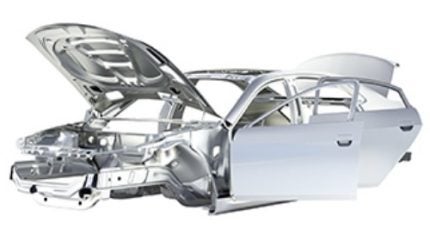
Steel used in vehicle production.
The Brazilian government has imposed anti‑dumping duties on a broad range of Chinese steel products, after an investigation launched in 2024 found that the imported steel was being sold at unfairly low prices, harming domestic manufacturers. The investigation was launched in response to a complaint by one of Brazil’s largest steel producers, Usiminas, which cited unfair trade practices by Chinese companies.
The duties approved by Brazil’s foreign trade committee will remain in place for five years and range between US$ 323 and US$ 670 per ton for cold‑rolled coil (CRC) steel, depending on the exporter, while for hot‑dip galvanized coil (HDG) the tariffs range between US$ 285 and US$ 710 per ton. These steels are used extensively in the production of vehicle body and chassis parts and other consumer products.
Government data shows Brazil imported 202,000 tons of CRC from China last year at an average price of US$ 560 per ton, and 1.42 million tons of HDG at US$ 681 per ton. Local industry association Instituto Aço Brasil said total imports of rolled steel products into the country increased by over 20 % to 5.7 million tons in 2025, of which 64 % came from China.
0
Comments
Want to join the conversation?
Loading comments...