GrapheneOS Coming to Motorola Phones Is Exactly the Android News I Wanted
•March 11, 2026
0
Why It Matters
By delivering GrapheneOS on mainstream hardware, Motorola lowers the barrier to high‑grade mobile privacy, expanding the market beyond technically‑savvy users and pressuring competitors to improve security offerings.
Key Takeaways
- •Motorola partners with GrapheneOS to ship privacy OS pre‑installed.
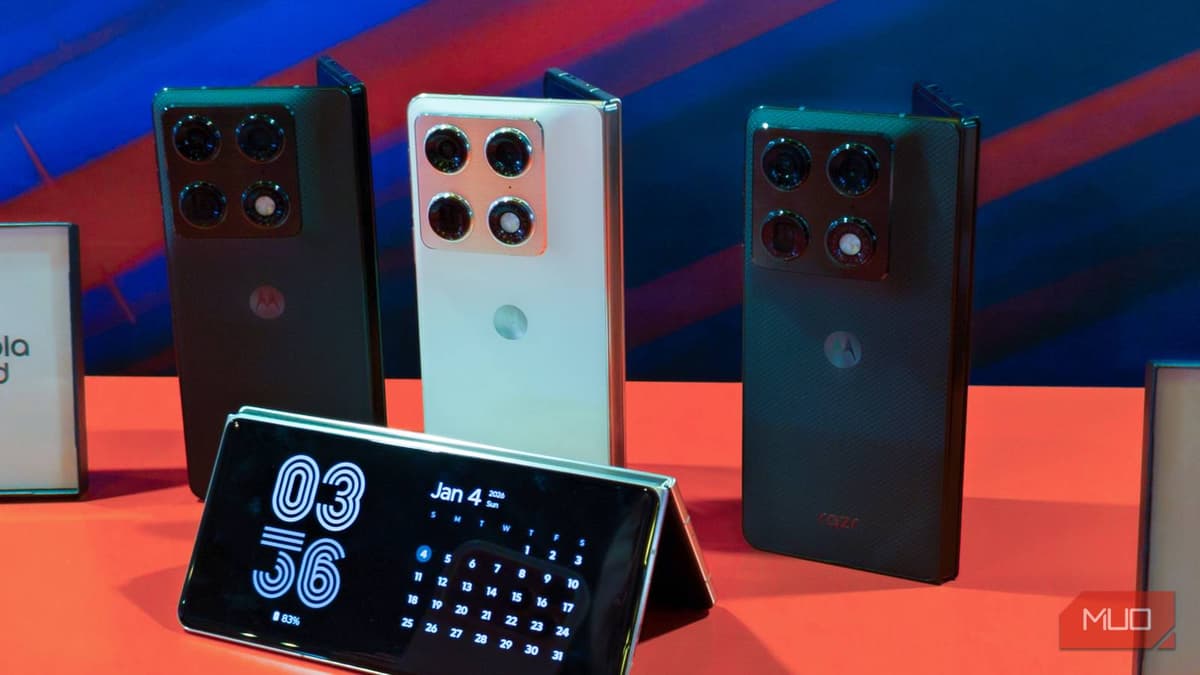
- •First devices: Signature, Razr Fold, Razr Ultra models.
- •Launch slated for 2027, targeting enterprise and consumer markets.
- •Eliminates need for users to flash ROM, broadening adoption.
- •Enhances Android security with built‑in USB‑C restrictions, de‑Googling.
Pulse Analysis
GrapheneOS has long been the gold standard for Android privacy, offering a stripped‑down AOSP base without Google services and a suite of hardening features such as verified boot, memory safety mitigations, and USB‑C port lockdowns. Until now, its adoption has been limited to Google’s Pixel line, where users must manually flash the ROM—a process that deters most consumers despite the OS’s strong security pedigree. This exclusivity has kept GrapheneOS in a niche, appealing primarily to security enthusiasts and developers who can navigate the technical hurdles.
The Motorola‑GrapheneOS alliance marks a strategic shift, as the two companies will co‑engineer hardware that meets the OS’s stringent requirements. Targeting the Signature, Razr Fold, and Razr Ultra platforms, the partnership promises devices that ship with AOSP 16 fully de‑Googled, integrating GrapheneOS’s built‑in protections like charge‑only USB cables and hardened app sandboxing. Motorola’s mention of Lenovo ThinkShield hints at an enterprise‑grade variant, potentially opening doors for corporate deployments that demand both mobility and robust data protection without reliance on Google’s ecosystem.
For the broader market, pre‑installed GrapheneOS could democratize privacy‑first smartphones, challenging the dominance of Google‑centric Android devices. Consumers seeking a “stock” Android feel without the data collection trade‑offs now have a viable, turnkey option, which may spur other OEMs to explore similar collaborations. As privacy regulations tighten and user awareness grows, the availability of a ready‑to‑use, secure Android alternative could reshape purchasing decisions and accelerate the industry’s move toward more transparent, user‑controlled mobile platforms.
GrapheneOS coming to Motorola phones is exactly the Android news I wanted
0
Comments
Want to join the conversation?
Loading comments...