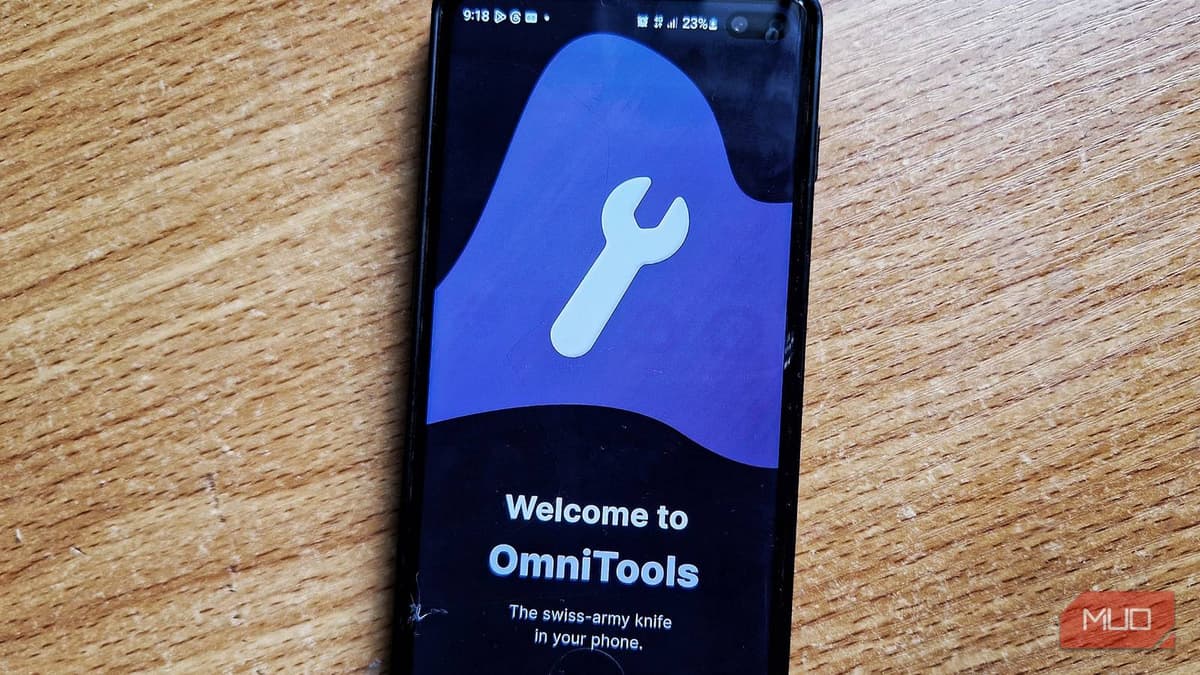
This All-in-One Android Utility Kit Saved Me From Installing 10 Separate Apps
•March 11, 2026
0
Why It Matters
The consolidation reduces app clutter, improves device performance, and enhances user privacy by limiting data‑sharing across multiple apps. It also streamlines everyday tasks for both casual users and professionals who rely on quick calculations and conversions.
Key Takeaways
- •Over 50 utilities in one Android app.
- •Replaces multiple finance, conversion, and health calculators.
- •Works offline, no ads, lightweight.
- •Includes web suite for client‑side file processing.
- •Free download; optional in‑app purchases for premium features.
Pulse Analysis
The mobile ecosystem has seen a surge in single‑purpose applications, each demanding storage, permissions, and occasional ads. OmniTools counters this fragmentation by delivering a comprehensive toolkit that fits comfortably on most Android devices. Its modular design lets users toggle between finance, health, and everyday utilities without leaving the app, fostering a smoother workflow for on‑the‑go professionals and casual users alike.
Beyond the core Android offering, OmniTools extends its utility to the browser with a fully client‑side suite that processes images, PDFs, and video clips locally. This architecture safeguards user data, as files never leave the device, and eliminates the need for sign‑ins or subscription models. Features like a 161‑currency converter with live rates and a graphing calculator traditionally locked behind paywalls are now accessible for free, raising the bar for value‑driven mobile utilities.
For the broader market, OmniTools exemplifies how developers can capture user attention by solving a pervasive pain point: app overload. Its freemium model encourages widespread adoption while monetizing advanced features, a strategy that aligns with current consumer expectations for privacy and cost‑effectiveness. As Android users continue to prioritize streamlined experiences, utility bundles like OmniTools are poised to become a staple in the app marketplace, prompting competitors to rethink the balance between specialization and integration.
This all-in-one Android utility kit saved me from installing 10 separate apps
0
Comments
Want to join the conversation?
Loading comments...