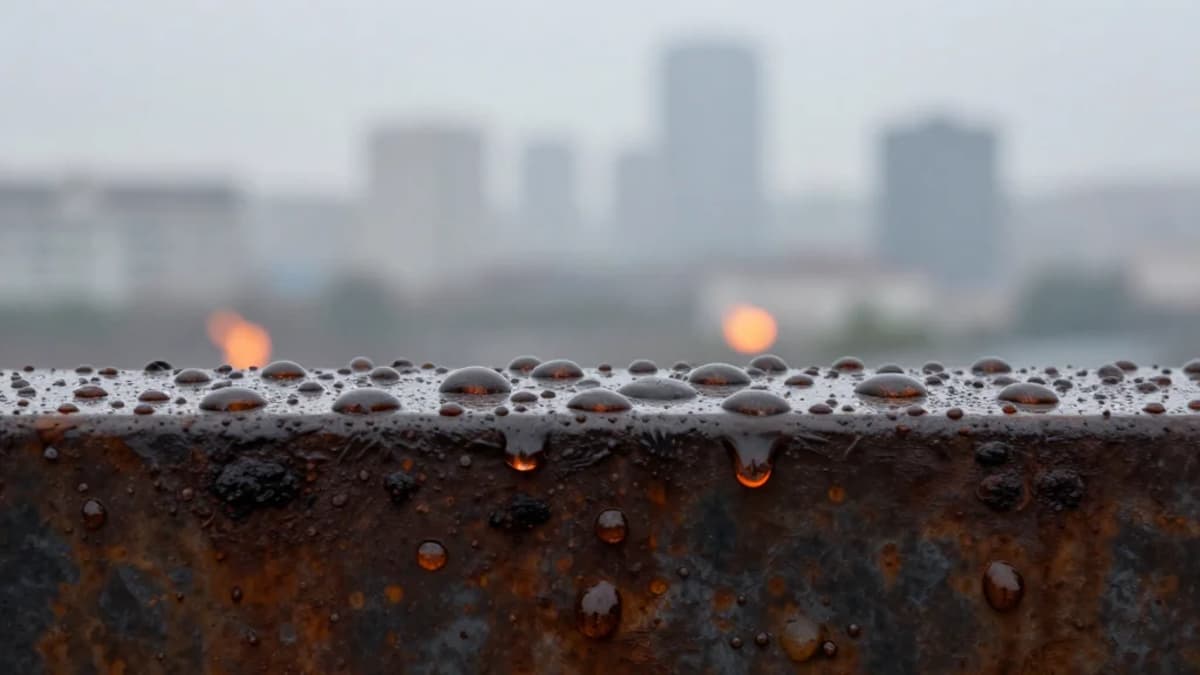
What Is the ‘Acid Rain’ in the Wake of U.S. Bombings in Iran?
•March 10, 2026
0
Why It Matters
The fallout illustrates how modern conflicts generate hidden public‑health crises and lasting ecological harm, expanding the cost calculus of military action.
Key Takeaways
- •Bombed oil depots released sulfur, nitrogen oxides, hydrocarbons
- •Rain collected PM2.5, PAHs, heavy metals, creating toxic fallout
- •Short‑term exposure causes headaches, breathing difficulty, especially vulnerable
- •Long‑term inhalation raises cancer, cardiovascular, neurological disease risk
- •Contaminated rain threatens water sources and re‑releases surface pollutants
Pulse Analysis
The air‑strike on Tehran’s oil depots unleashed a cocktail of pollutants rarely seen in civilian settings. When the high‑temperature fires vaporized crude, sulfur dioxide and nitrogen dioxide surged, quickly forming sulfuric and nitric acids that merged with airborne soot. As rain droplets passed through this toxic plume, they scavenged ultrafine PM2.5 particles, polycyclic aromatic hydrocarbons and trace heavy metals, producing the observed black, acidic precipitation. This chemical cocktail mirrors classic acid‑rain mechanisms but is amplified by the sheer concentration of war‑related emissions.
Health officials in Iran have documented a spike in headaches, respiratory distress and irritation among residents, symptoms consistent with acute exposure to fine particulates and acidic aerosols. Vulnerable groups—children, the elderly and those with pre‑existing lung conditions—face heightened risk, while pregnant women risk adverse birth outcomes. Longer‑term inhalation of PM2.5 and PAHs can embed particles in the bloodstream, elevating the probability of cancers, cardiovascular disease, and neuro‑degenerative disorders. The deposited contaminants also cling to surfaces, re‑entering indoor air when disturbed, extending exposure beyond the initial fallout.
Beyond immediate human harm, the toxic rain threatens Iran’s water infrastructure and ecosystems. Pollutants washed into rivers and groundwater can bioaccumulate, jeopardizing aquatic life and contaminating drinking supplies. The event underscores a broader, under‑appreciated legacy of modern warfare: environmental degradation that persists long after hostilities cease. Policymakers and humanitarian agencies must therefore factor air‑quality monitoring and remediation into conflict response strategies, recognizing that the true cost of war includes invisible, long‑lasting ecological damage.
What is the ‘acid rain’ in the wake of U.S. bombings in Iran?
0
Comments
Want to join the conversation?
Loading comments...