How One Founder’s Bet on ‘the Old School Web’ Is Paying Off
Companies Mentioned

Why It Matters
Past Maps proves that focused niche content, strong SEO, and modest subscription pricing can generate steady revenue without venture capital, challenging the prevailing AI‑first investment narrative.
Key Takeaways
- •Traffic grew from 20k to 300k monthly in three years
- •Revenue comes from $9 weekly or $52 annual subscriptions
- •AI agents cut daily customer‑service time to ten minutes
- •Custom OCR using LLMs tackles curved map labels
Pulse Analysis
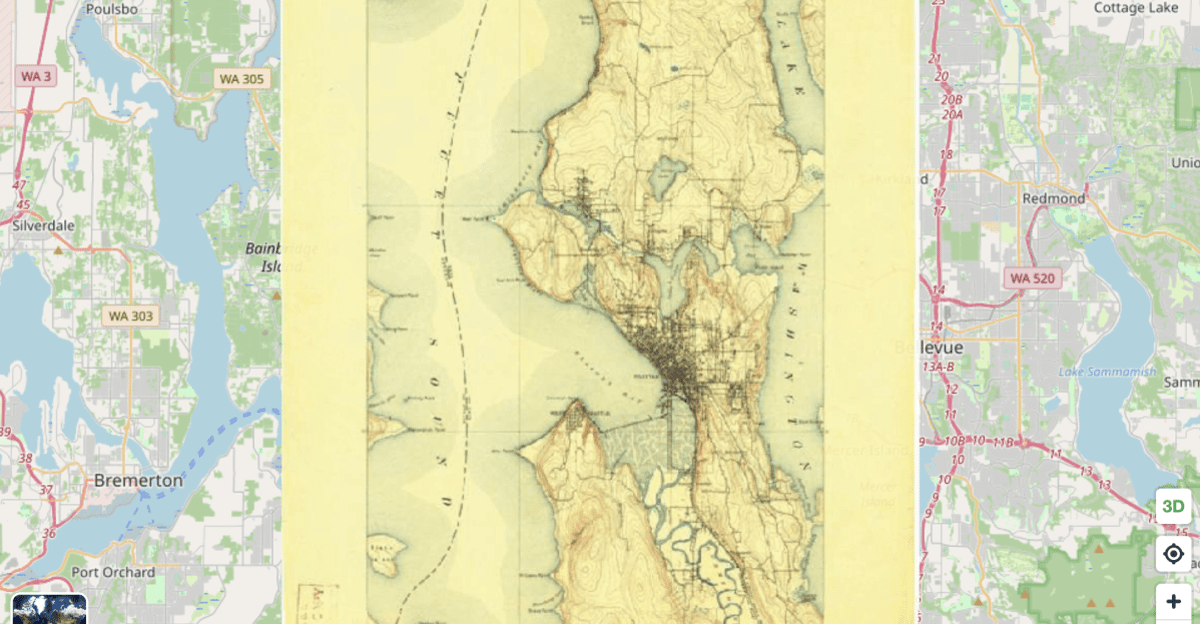
The success of Past Maps highlights the enduring power of organic search in a landscape dominated by AI hype. While many founders chase large funding rounds to build data‑heavy platforms, Campbell’s strategy relied on a clear content niche—historical maps—and meticulous SEO tagging that allowed Google to surface his pages for location‑specific queries. This low‑cost acquisition model scales efficiently, turning long‑tail search traffic into a reliable user base without costly ad spend.
A subscription‑only revenue structure further insulates the business from the volatility of ad‑tech markets. By charging $9 per week or $52 per year, Past Maps avoids dependence on display ads that are increasingly controlled by a handful of platforms, a concern amplified after the DOJ’s 2025 antitrust ruling against Google. The predictable recurring revenue also provides a stable cash flow that supports the founder’s modest lifestyle while funding incremental product improvements.
Automation through AI remains a critical enabler, even for a venture that shunned the AI gold rush. Campbell deployed a local LLM‑driven agent to triage support tickets, slashing his daily workload to ten minutes, and is building a bespoke OCR system to extract text from curved map labels—an area where off‑the‑shelf tools falter. This hybrid human‑AI workflow illustrates how founders can leverage emerging technologies to enhance efficiency without compromising the core, human‑centric value proposition of their product.
How one founder’s bet on ‘the old school web’ is paying off
Comments
Want to join the conversation?
Loading comments...