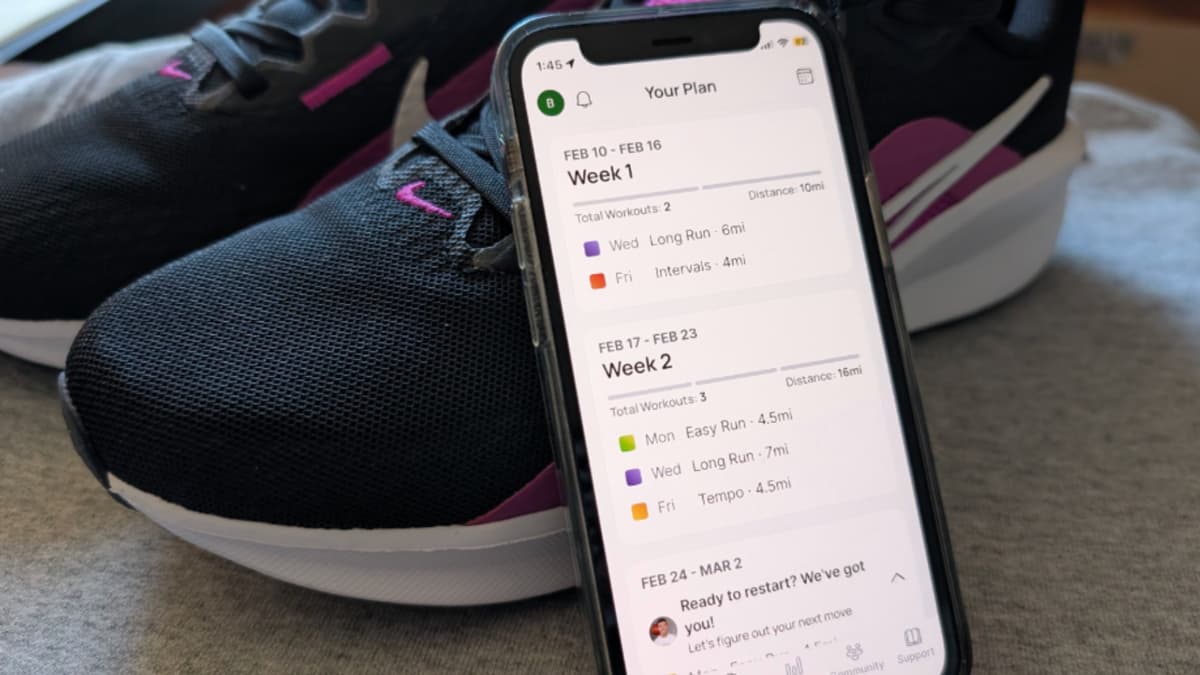
How to Avoid Injury While Using Runna Training Programs
•March 11, 2026
0
Why It Matters
Injury prevention preserves runners’ health and training continuity, directly affecting user retention for Runna and similar digital coaching platforms. Proper plan customization also reduces medical costs and reinforces the credibility of AI‑based fitness solutions.
Key Takeaways
- •Over 10% weekly mileage increase raises injury risk
- •Easy runs must feel conversational, not hard
- •Adjust Runna preferences to match true fitness level
- •Watch for sharp pain, gait changes, bone impact pain
- •Treat first two weeks as test, modify plan accordingly
Pulse Analysis
The surge of algorithm‑driven coaching apps has reshaped how runners train, offering personalized mileage schedules at the tap of a screen. Strava’s acquisition of Runna underscores the market’s appetite for data‑rich platforms that promise race‑ready performance without a human coach. Yet the convenience comes with a hidden cost: many users treat the plan as gospel, overlooking the well‑documented overuse injury rates that affect up to half of all recreational runners. Understanding that an app is a tool—not a substitute for bodily awareness—is the first line of defense.
Evidence‑based training principles remain timeless, even in a digital age. The 10‑percent rule—limiting week‑over‑week mileage increases to a single‑digit rise—still predicts lower stress‑fracture incidence. Easy runs should feel conversational, allowing full dialogue without breathlessness, and recovery weeks must be deliberately programmed to let tissue remodel. Runna’s “training preferences” feature lets athletes dial back intensity, but only if they input honest baseline data. By cross‑checking plan metrics against real‑world fatigue cues, runners can harness AI benefits while mitigating risk.
Looking ahead, the next generation of running apps will likely integrate wearable biomechanics and real‑time injury detection algorithms, offering proactive alerts before pain escalates. Such feedback loops could transform the current reactive model into a preventive ecosystem, boosting user confidence and long‑term adherence. For now, the responsibility rests with the runner: stay educated, listen to the body, and treat the app as a GPS that still requires an attentive driver.
How to Avoid Injury While Using Runna Training Programs
0
Comments
Want to join the conversation?
Loading comments...