I Tried the Goop That Makes You Run Faster (But Possibly Poop Yourself). It Worked.
Why It Matters
If tolerated, sodium bicarbonate buffering offers a legal, low‑cost edge for elite and serious amateur runners, potentially narrowing performance gaps in high‑intensity events.
Key Takeaways
- •Maurten’s hydrogel coating reduces bicarb‑induced gut upset
- •Bicarb buffering delays fatigue by neutralizing hydrogen ions
- •Elite athletes have used bicarb from 800 m to marathon distances
- •Individual tolerance varies; testing before race day is essential
Pulse Analysis
Sodium bicarbonate, commonly known as baking soda, has been studied since the 1930s as a metabolic buffer for high‑intensity exercise. When athletes push above lactate threshold, hydrogen ions accumulate, lowering muscle pH and accelerating fatigue. By increasing extracellular bicarbonate concentrations, the supplement enhances the body’s ability to neutralize these ions, allowing muscles to sustain power output longer. Recent research confirms measurable performance gains of 1‑2 percent in events lasting 30 seconds to five minutes, making it an attractive ergogenic aid for track and middle‑distance runners.
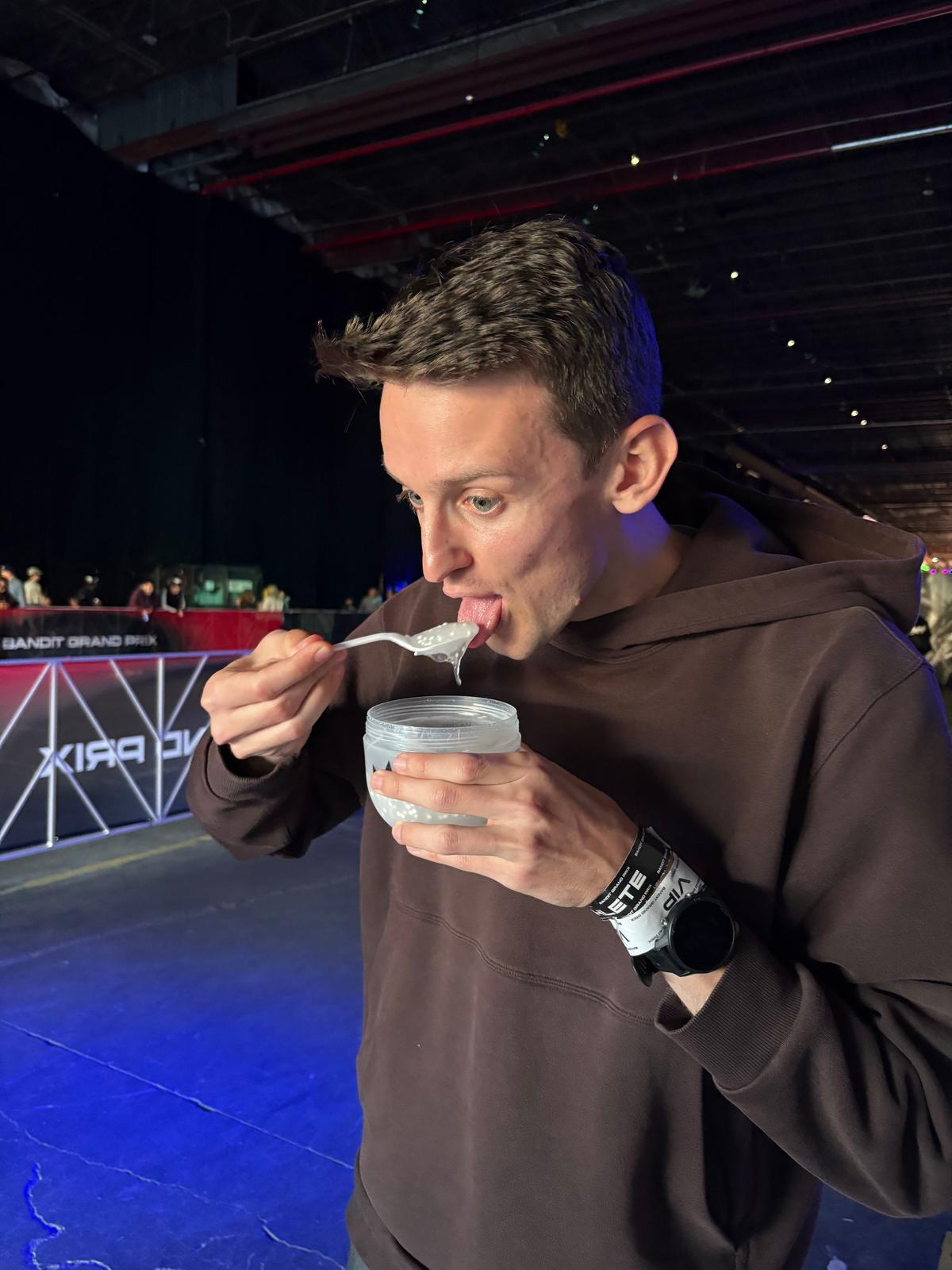
The practical challenge of bicarb lies in its gastrointestinal side effects—cramping, nausea, and diarrhea are common when large doses are ingested quickly. Maurten’s Bicarb System addresses this by embedding the tablets in a hydrogel matrix that slows release, improving tolerability for athletes who need a race‑day dose. Kahler’s personal trial at the Bandit Grand Prix demonstrated a smooth ingestion experience and a competitive 8:59 3K time, echoing reports from Olympians like Luis Grijalva and marathon pioneers such as Sabastian Sawe. The trend is expanding beyond traditional 800‑m to 5,000‑m events, with ultra‑endurance athletes experimenting with buffered bicarb to delay fatigue over longer distances.
For serious amateurs, the key takeaway is that bicarb can be a legal performance enhancer, but individual gut response varies dramatically. Athletes should conduct trial runs during training, calibrate dosage (typically 0.2‑0.3 g per kilogram body weight), and allow 60‑90 minutes for absorption before competition. As sports nutrition continues to blend science with convenience, products that mitigate side effects while delivering metabolic benefits are likely to gain market share, prompting coaches and clinicians to incorporate evidence‑based protocols into training regimens.
I Tried the Goop That Makes You Run Faster (But Possibly Poop Yourself). It Worked.
Comments
Want to join the conversation?
Loading comments...