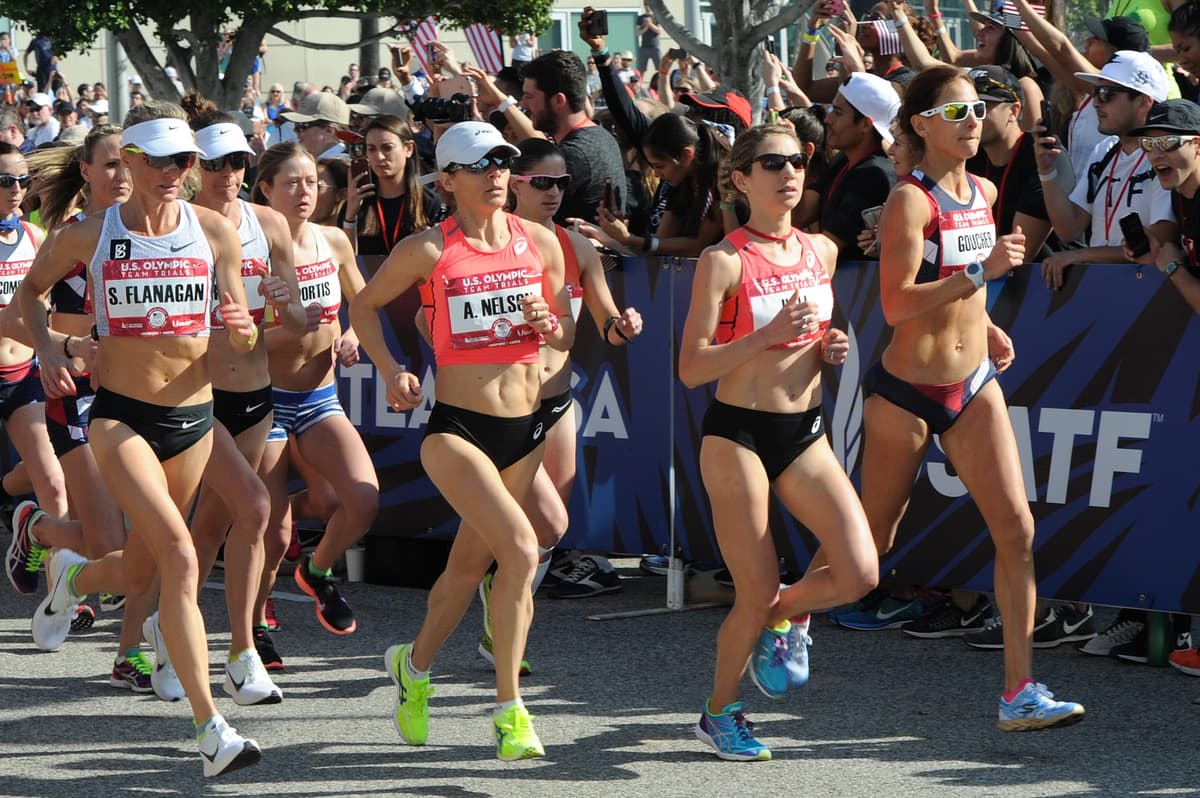
Improve Your Running Gait for a More Powerful Stride
Why It Matters
Optimizing gait reduces joint loading and enhances performance, directly impacting runners’ health and competitive edge. The insights also fuel a growing market for personalized gait‑analysis technology and coaching services.
Key Takeaways
- •Overstriding increases impact forces and raises injury risk
- •Collapsers show hip/knee inward drop due to weak core
- •Bouncers waste energy by vertical oscillation, stressing knees
- •Glute amnesiacs rely on hamstrings, leading to lower‑back pain
- •Weavers run narrow, overloading IT band and causing shin strain
Pulse Analysis
Understanding running gait goes beyond aesthetic form; it’s a biomechanical foundation that dictates how forces travel through the body. While elite runners display a spectrum of postures, clinicians at NYU Langone and Drexel emphasize that certain deviations—like landing with the foot far ahead of the knee or allowing the hips to collapse inward—create measurable inefficiencies. Modern tools such as RunDNA’s portable 3‑D motion analysis translate these subtle cues into actionable data, allowing athletes to pinpoint whether they fall into the overstrider, collapser, bouncer, glute amnesiac, or weaver categories.
Each gait type carries a distinct injury profile. Overstriders generate higher impact peaks, predisposing them to shin splints and stress fractures, while collapsers often develop patellofemoral pain due to poor lumbo‑pelvic control. Bouncers’ excessive vertical oscillation taxes the quadriceps and elevates ground‑reaction forces, and glute amnesiacs over‑rely on hamstrings, leading to lower‑back discomfort. Weavers, with a narrow base of support, strain the iliotibial band and can provoke lateral shin pain. Targeted interventions—cadence drills, core and hip strengthening, resisted running, and stride‑width cues—have been shown in peer‑reviewed studies to lower joint loading and improve running economy.
For coaches, sports medicine professionals, and the burgeoning wearable‑tech sector, these findings underscore a lucrative intersection of science and product development. Personalized gait assessments enable evidence‑based training prescriptions, reducing downtime and enhancing performance for recreational and elite runners alike. As the industry embraces data‑driven coaching, athletes who invest in gait optimization are likely to see measurable gains in speed, endurance, and injury resilience.
Improve Your Running Gait for a More Powerful Stride
Comments
Want to join the conversation?
Loading comments...