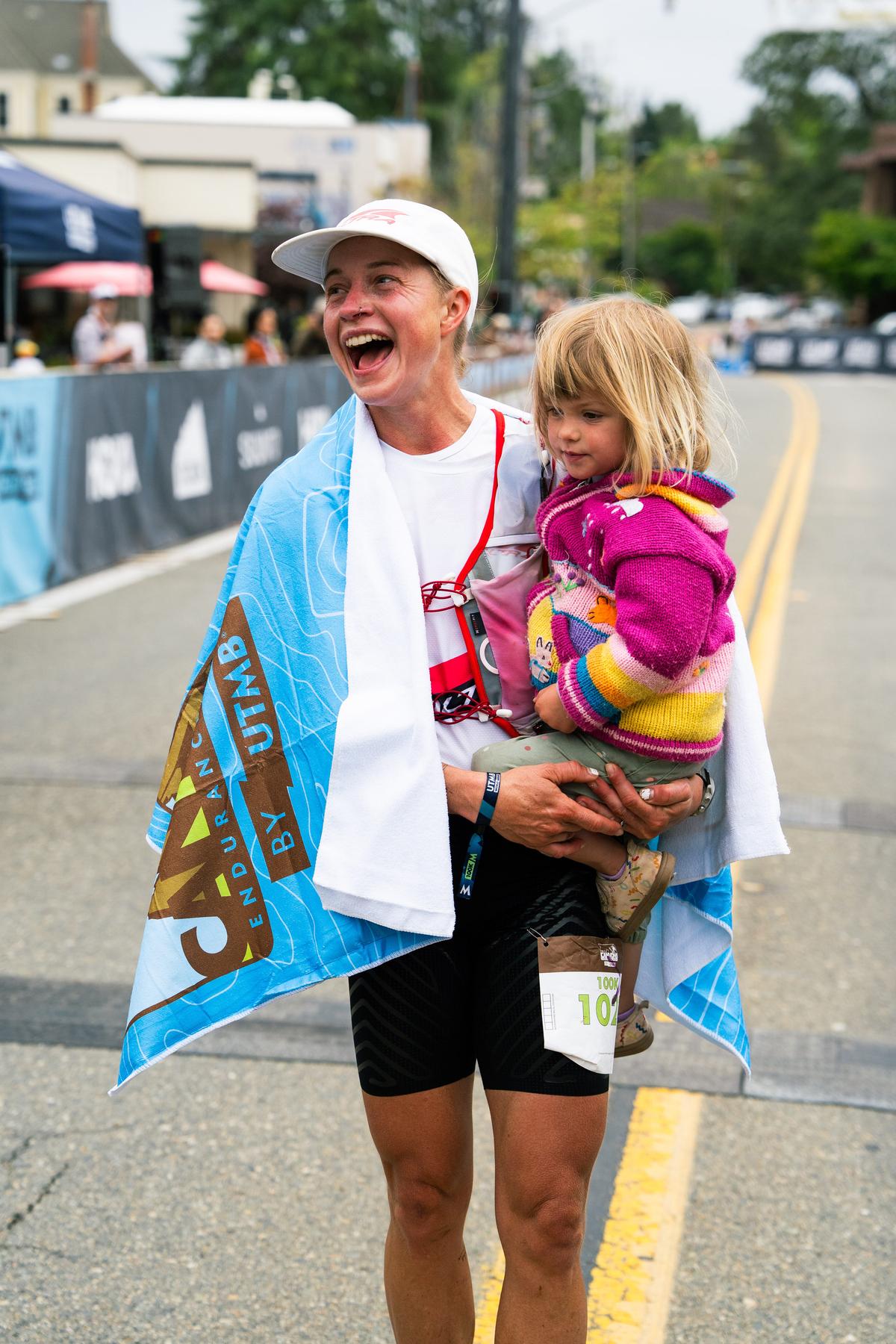
‘Women Can Do This’: She Started Racing Postpartum in Her 30s. Now She’s an Ultrarunning Champion
Why It Matters
Arnold’s achievements prove elite ultrarunning can coexist with postpartum recovery and pregnancy, reshaping perceptions of female athletic limits and prompting sponsors to back mother‑athletes. The shift toward flexible, self‑directed training also challenges traditional coaching models in endurance sports.
Key Takeaways
- •Arnold won 2023 TDS Ultra, first American champion since 2009
- •She ran 100‑mile Western States debut, finishing 14th in 18:53
- •Balances 100‑mile weeks with motherhood, using self‑coached, intuitive training
- •Competed and placed while pregnant, proving endurance potential for mothers
- •Shifted to flexible, self‑care training after illness, winning six‑hour race
Pulse Analysis
The surge of women in ultrarunning has accelerated in the past decade, yet few stories illustrate the intersection of elite performance and motherhood as starkly as Careth Arnold’s. Starting her competitive journey eight months postpartum, Arnold quickly moved from a 3:23 marathon debut to conquering the grueling 95‑mile TDS Ultra, a race that had never before been won by an American. Her rapid ascent underscores how modern training tools, from AI‑driven workout suggestions to online research, empower athletes who lack traditional collegiate or club pipelines, expanding the talent pool for endurance events.
Arnold’s training philosophy reflects a broader trend toward self‑coached, intuitive regimens that prioritize life balance over rigid periodization. By logging 100 miles of running alongside 50 miles of cycling in a two‑week block, she demonstrates that high‑volume weeks can coexist with childcare duties, naptimes, and the unpredictable demands of a newborn. This flexible approach, forged after a bout of flu forced her off a structured plan, resonates with a growing cohort of athletes seeking mental health safeguards and autonomy, prompting coaches and brands to reconsider one‑size‑fits‑all programs.
The implications extend beyond individual performance. Sponsors are increasingly courting mother‑athletes who embody resilience and marketability, while race organizers are adapting aid stations and family‑friendly policies to accommodate parents on the course. Arnold’s public use of a breast pump at a 100‑mile race, for example, highlights the need for supportive infrastructure. As more women prove they can train, compete, and recover during and after pregnancy, the ultrarunning community is poised to become more inclusive, driving innovation in training science, product design, and event logistics.
‘Women Can Do This’: She Started Racing Postpartum in Her 30s. Now She’s an Ultrarunning Champion
Comments
Want to join the conversation?
Loading comments...