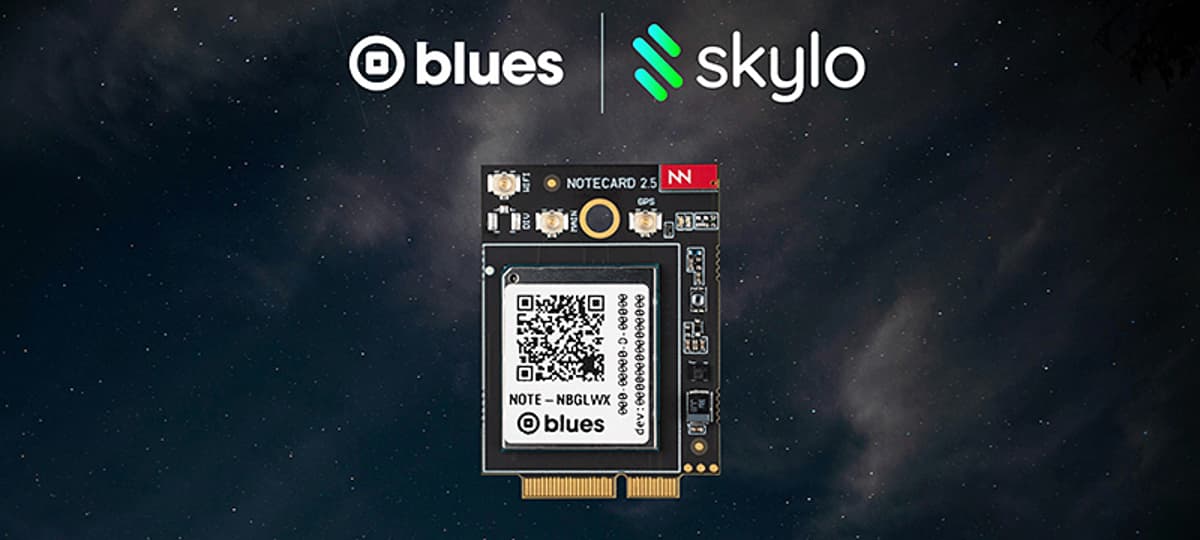
Blues Integrates Skylo NTN Satellite with Cellular and Wi-Fi in a Single Notecard IoT Module
•March 9, 2026
0
Why It Matters
Consolidating three bearers into one module cuts hardware complexity, reduces SKU counts, and guarantees continuous data flow in remote or underserved areas, speeding IoT rollouts for critical industries.
Key Takeaways
- •Integrated satellite, cellular, Wi‑Fi in one Notecard module.
- •Automatic failover across three connectivity options.
- •Pay‑as‑you‑go satellite pricing, no subscription minimums.
- •Targets narrowband IoT for logistics, energy, transport.
- •Simplifies engineering, reduces SKUs, eases deployment.
Pulse Analysis
Enterprises are increasingly deploying IoT devices beyond the reach of reliable terrestrial networks, prompting a shift from optional satellite add‑ons to essential connectivity layers. Traditional multi‑bearer architectures required separate radios, antennas, and distinct service contracts, inflating bill of materials and complicating firmware management. The market’s appetite for streamlined designs has driven vendors to integrate satellite as a native bearer rather than a niche back‑stop, especially as 3GPP‑aligned non‑terrestrial networks (NTN) gain regulatory approval worldwide.
Blues’ Notecard for Skylo answers this demand by embedding Skylo’s NTN service, narrowband cellular, and Wi‑Fi into a single, compact module. The hardware automatically selects the strongest link, dropping to cellular or Wi‑Fi when satellite signals weaken, and vice‑versa, without developer intervention. Commercially, the pay‑as‑you‑go satellite model removes minimum‑commitment contracts, allowing OEMs to bill customers only for actual usage—a critical advantage for fleet operators managing variable data volumes across continents. The module targets narrowband‑centric applications, positioning it as a cost‑effective solution for asset tracking, remote monitoring, and field equipment that must stay online in both urban depots and isolated sites.
The broader implication is a maturation of the satellite IoT ecosystem toward standardized, plug‑and‑play components that align with existing cellular supply chains. By treating satellite as a third bearer rather than a specialized exception, Blues and Skylo lower entry barriers for manufacturers and accelerate adoption in sectors where downtime is costly. As more operators adopt 3GPP‑based NTN services, integrated modules like Notecard for Skylo could become the default hardware baseline, reshaping device design, procurement strategies, and global connectivity roadmaps.
Blues integrates Skylo NTN satellite with cellular and Wi-Fi in a single Notecard IoT module
0
Comments
Want to join the conversation?
Loading comments...