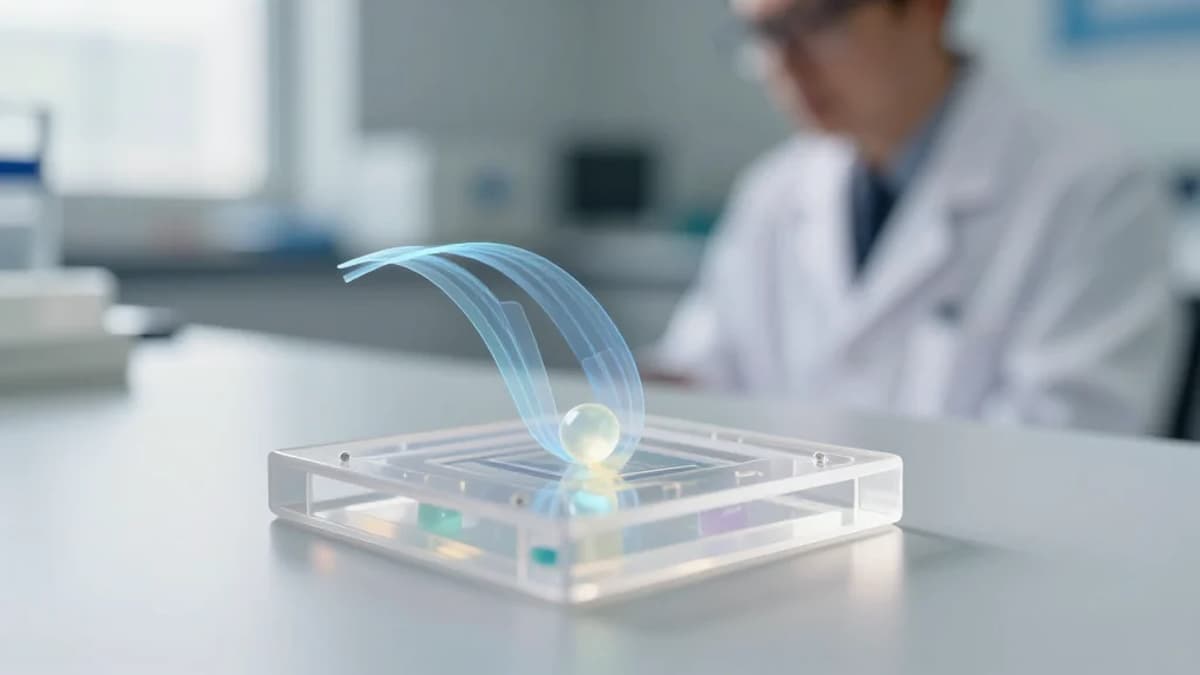
The Age of Animal Experiments May Be Waning
•March 7, 2026
0
Why It Matters
The shift promises faster, more human‑relevant drug development and could cut billions in research costs. It also responds to growing ethical pressure to reduce animal use, reshaping regulatory and industry practices.
Key Takeaways
- •UK aims to end animal skin‑irritation tests this year
- •FDA targets animal studies as exception within 3‑5 years
- •NAMs usage rose fourfold in biomedical papers since 2006
- •Organ‑on‑chip liver model achieved 87% toxicity prediction accuracy
- •Validation costs remain major barrier to broader NAM adoption
Pulse Analysis
The wave of regulatory reforms announced in 2025 marks a turning point for pre‑clinical research. In the United Kingdom, the new strategy classifies animal tests into three “baskets” and mandates the removal of skin‑irritation assays within months, while the United States FDA has pledged to make animal studies an exception rather than the rule within the next five years. Europe follows suit with a road map for chemical safety, and China’s multi‑billion‑yuan Human Organ Physiopathology Emulation System underscores a global investment in alternatives. These policies create a clear mandate for scientists to adopt non‑animal methods.
At the heart of this transition are new‑approach methodologies that mimic human biology more faithfully than traditional animal models. Organs‑on‑chips can reproduce organ‑level physiology using human cells, and recent Liver‑Chip studies reported 87 % accuracy in flagging hepatotoxic compounds while avoiding false positives. Three‑dimensional organoids derived from induced pluripotent stem cells enable “clinical trials in a dish,” allowing researchers to screen drugs across genetically diverse patient lines. Computational platforms, powered by AI and large‑scale toxicology datasets, generate in‑silico predictions that regulators such as the OECD now accept for skin‑sensitisation testing. Yet each technology must pass rigorous validation, a costly and time‑intensive hurdle that slows widespread regulatory acceptance.
Pharmaceutical companies are already reaping the benefits. Roche’s Institute of Human Biology now files submissions that combine organoid and chip data, and Emulate’s Liver‑Chip entered the FDA’s ISTAND pilot, opening a pathway for drug‑makers to replace animal toxicity studies with human‑relevant readouts. If validation pipelines accelerate, the industry could see faster go‑to‑market timelines and lower attrition rates, addressing the 86 % failure rate of investigational drugs in clinical trials. Nonetheless, complex organ systems and behavioral studies will likely keep a limited role for animals for years to come.
The age of animal experiments may be waning
0
Comments
Want to join the conversation?
Loading comments...