Is Vibe the New Luxury?
Why It Matters
The new lifestyle model offers developers higher yields and lower capital outlay while meeting the social‑currency expectations of a fast‑growing Gen‑Z travel segment, redefining luxury in hospitality.
Key Takeaways
- •Lifestyle hotels use 500 sq ft footprints, cutting development costs.
- •Marriott's Moxy brand drives 85% occupancy among Gen‑Z travelers.
- •Room‑to‑revenue shift: F&B becomes core revenue, not ancillary.
- •Developers see 18‑20% IRR on compact hotel projects.
- •Accor and Hyatt expand lifestyle sub‑brands targeting Indian urban markets.
Pulse Analysis
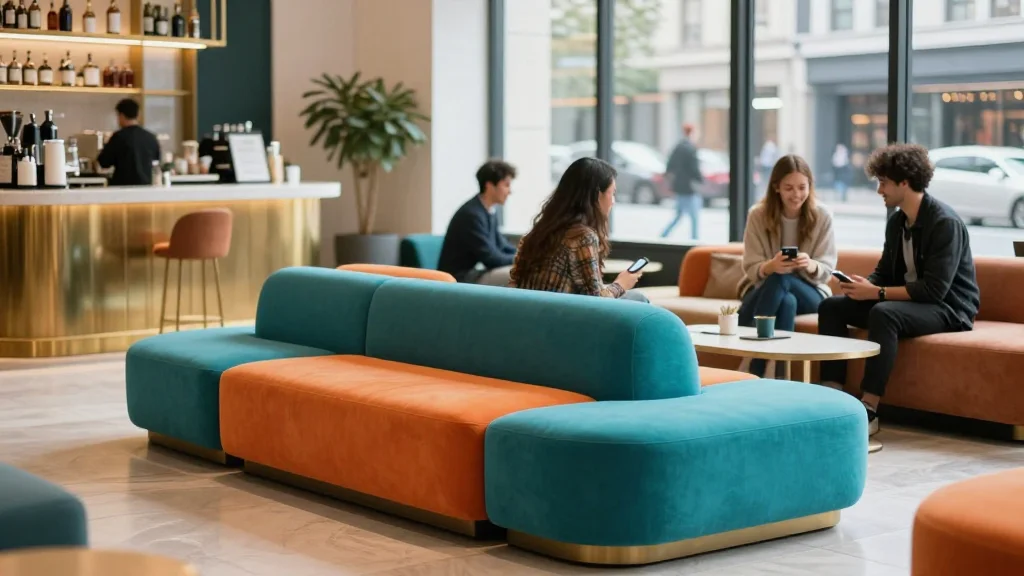
The hospitality sector in India is undergoing a fundamental redesign as legacy operators abandon the traditional room‑centric model in favor of lifestyle hotels that cater to Gen‑Z’s appetite for community and social currency. These travelers, raised on digital platforms, value spontaneous, experience‑rich stays over opulent suites, prompting brands like Marriott, Accor and Hyatt to launch sub‑brands that prioritize vibrant lobbies, co‑working zones and curated events. By compressing room sizes to roughly 500 sq ft, developers can fit more keys into limited urban plots, slashing land acquisition and construction expenses to about $48,000 per key and unlocking internal rates of return in the high‑teens.
Marriott’s Moxy brand exemplifies the shift, turning public spaces into revenue engines. Instead of relying on room tariffs for 70% of income, Moxy places bars, dining and flexible work areas at the heart of the property, driving ancillary spend and boosting overall occupancy to nearly 85% in Mumbai’s competitive market. The compact design also accelerates build timelines, allowing owners to respond swiftly to demand spikes in metros such as Bengaluru, Delhi NCR and Goa. Financially, the model delivers 18‑20% IRR, a compelling proposition for investors facing soaring real‑estate prices.
The broader industry impact is twofold. First, the success of lifestyle concepts pressures traditional luxury chains to retrofit existing assets with community‑focused amenities or risk losing relevance. Second, rapid scaling raises concerns about preserving the authenticity that younger guests crave; over‑standardization could dilute the very "vibe" that differentiates these hotels. As urban travel continues to grow, the balance between cost‑efficient development and genuine experiential design will dictate which brands set the new benchmark for luxury in the Indian hospitality landscape.
Is Vibe the New Luxury?
Comments
Want to join the conversation?
Loading comments...