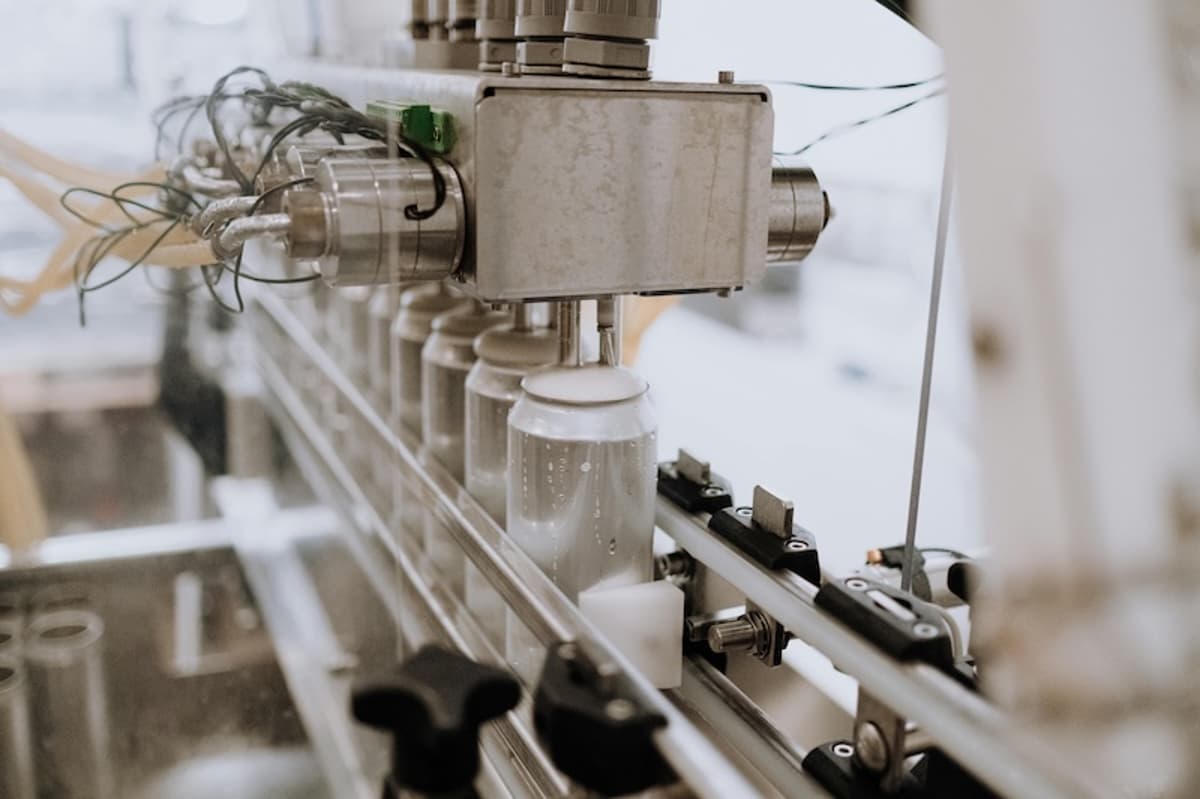
Application Engineering for Assembly Systems Is Quietly Becoming Manufacturing’s Biggest Competitive Edge
Why It Matters
The approach transforms factories from cost centers into agile, high‑margin operations, directly impacting revenue, quality, and sustainability in a market demanding rapid product variation.
Key Takeaways
- •Unplanned downtime costs ~11% of manufacturers' annual revenue.
- •Application engineers map full production flow to cut variation.
- •Standard core products let engineers focus on optimization, not reliability.
- •Predictive maintenance data can slash breakdowns up to 70%.
- •Modular assembly systems enable rapid changeovers for small-batch production.
Pulse Analysis
The rise of application engineering marks a strategic pivot in industrial automation. Rather than treating machines as isolated assets, manufacturers now view the assembly line as an interconnected ecosystem where engineers design end‑to‑end workflows. This systems‑level perspective enables tighter control over torque, cycle time, and tool wear, delivering the predictability that top‑tier producers need to protect margins against the 11% revenue loss associated with unplanned downtime.
Data has become the invisible glue linking robotics, sensors, and human operators. Predictive maintenance models, fueled by real‑time sensor streams, can reduce equipment failures by up to 70% and cut maintenance costs by roughly 30%, while advanced analytics uncover hidden inefficiencies in compressed‑air usage—often 10% of a plant’s electricity bill. By integrating cobots that collaborate with skilled workers, firms achieve higher throughput without sacrificing flexibility, and sustainability goals are met through optimized energy consumption and reduced waste.
Flexibility is no longer a nice‑to‑have; it’s a market imperative as product portfolios shrink and batch sizes shrink. Modular assembly platforms, such as Atlas Copco’s ITBA ecosystem, allow rapid reconfiguration of tools and software, slashing changeover times and supporting small‑batch, high‑mix production. This agility, combined with the reliability of standardized core components, gives manufacturers a decisive edge in a competitive landscape where speed, quality, and sustainability are equally prized.
Application engineering for assembly systems is quietly becoming manufacturing’s biggest competitive edge
Comments
Want to join the conversation?
Loading comments...