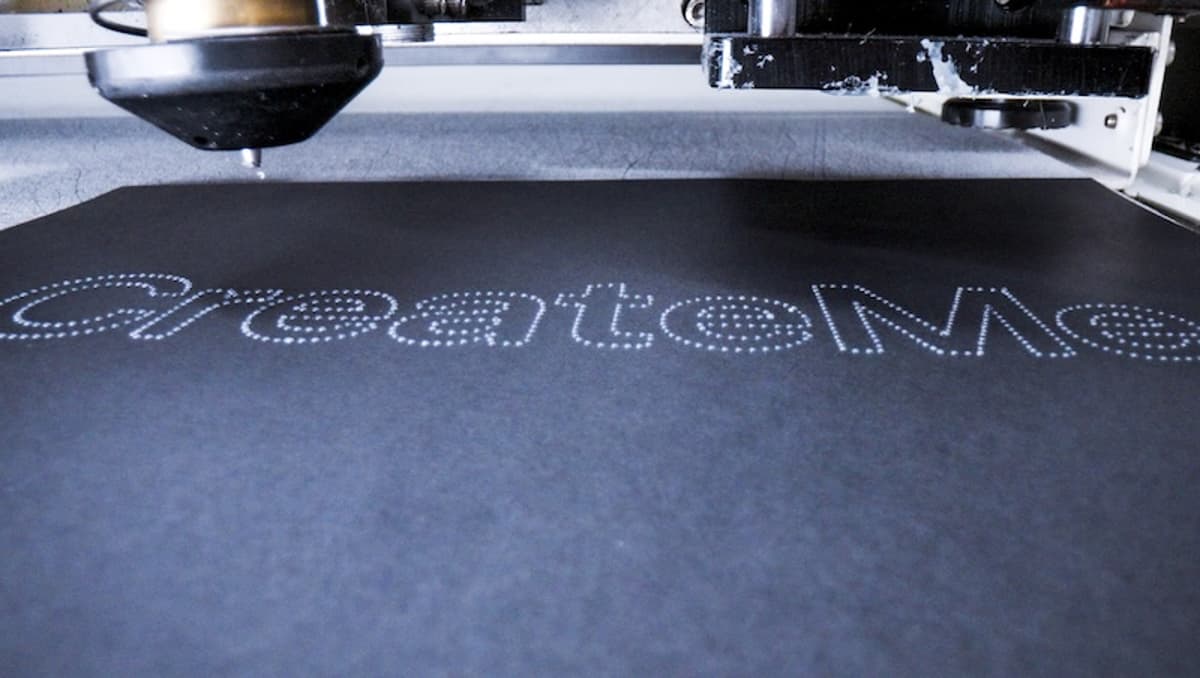
Interview with CreateMe CEO Campbell Myers: From Stitching to Bonding – Physical AI Could Transform the Way Clothes Are Made
Why It Matters
By solving the long‑standing soft‑material automation challenge, CreateMe could transform apparel supply chains, making them faster, more sustainable, and economically viable in regions like the US and Europe.
Key Takeaways
- •CreateMe replaces stitching with adhesive bonding for robotic assembly
- •Intelligent grippers and real‑time material state sensing enable handling variability
- •Automation could reshoring apparel production to the US and Europe
- •Thermoreversible adhesives support disassembly, recycling, and circular fashion
Pulse Analysis
The apparel sector has long lagged behind other manufacturing domains because fabrics behave unlike rigid components—stretching, wrinkling, and shifting in ways that defy pre‑programmed robot motions. This deformable‑material manipulation problem sits at the frontier of embodied or physical AI, demanding systems that can perceive, decide, and act in real time. Researchers and firms are now converging on solutions that blend advanced perception, adaptive control, and material science to finally bring soft‑material robotics out of the lab and onto the factory floor.
CreateMe tackles the issue by re‑engineering the garment assembly process itself. Instead of forcing robots to mimic human sewing, the company uses precision‑applied adhesives to join fabric pieces, turning a dynamic, continuous operation into a series of static, fixtured steps. Intelligent grippers manage tension and alignment, while single‑sided access reduces handling complexity. The result is a production line that can scale across fabric variations, slash labor content, and dramatically shorten lead times—key factors that make reshoring apparel to the United States and Europe economically plausible.
Beyond faster, greener fashion, the platform’s underlying capabilities have cross‑industry relevance. Thermoreversible adhesives enable easy disassembly for recycling, aligning with circular‑economy goals. The same robotics‑material‑AI stack could be licensed for automotive interiors, aerospace composites, or medical textiles, where soft‑material handling remains a bottleneck. As investors watch the convergence of AI, robotics, and sustainable manufacturing, CreateMe’s approach exemplifies how rethinking process fundamentals can unlock new markets and drive broader industrial transformation.
Interview with CreateMe CEO Campbell Myers: From stitching to bonding – physical AI could transform the way clothes are made
Comments
Want to join the conversation?
Loading comments...