Sensory Robotics Says ‘the End of Robotic Cages Starts Now’
Companies Mentioned

Why It Matters
UL certification transforms SR‑1 from a laboratory prototype into a commercially viable safety solution, enabling manufacturers to reclaim floor space and boost productivity while meeting strict OSHA and insurance standards.
Key Takeaways
- •SR‑1 gains UL 1740 certification, enabling fenceless robot deployment.
- •Major manufacturers like Toyota and Caterpillar are evaluating SR‑1 technology.
- •Certification removes safety‑cage barriers, freeing floor space and cutting downtime.
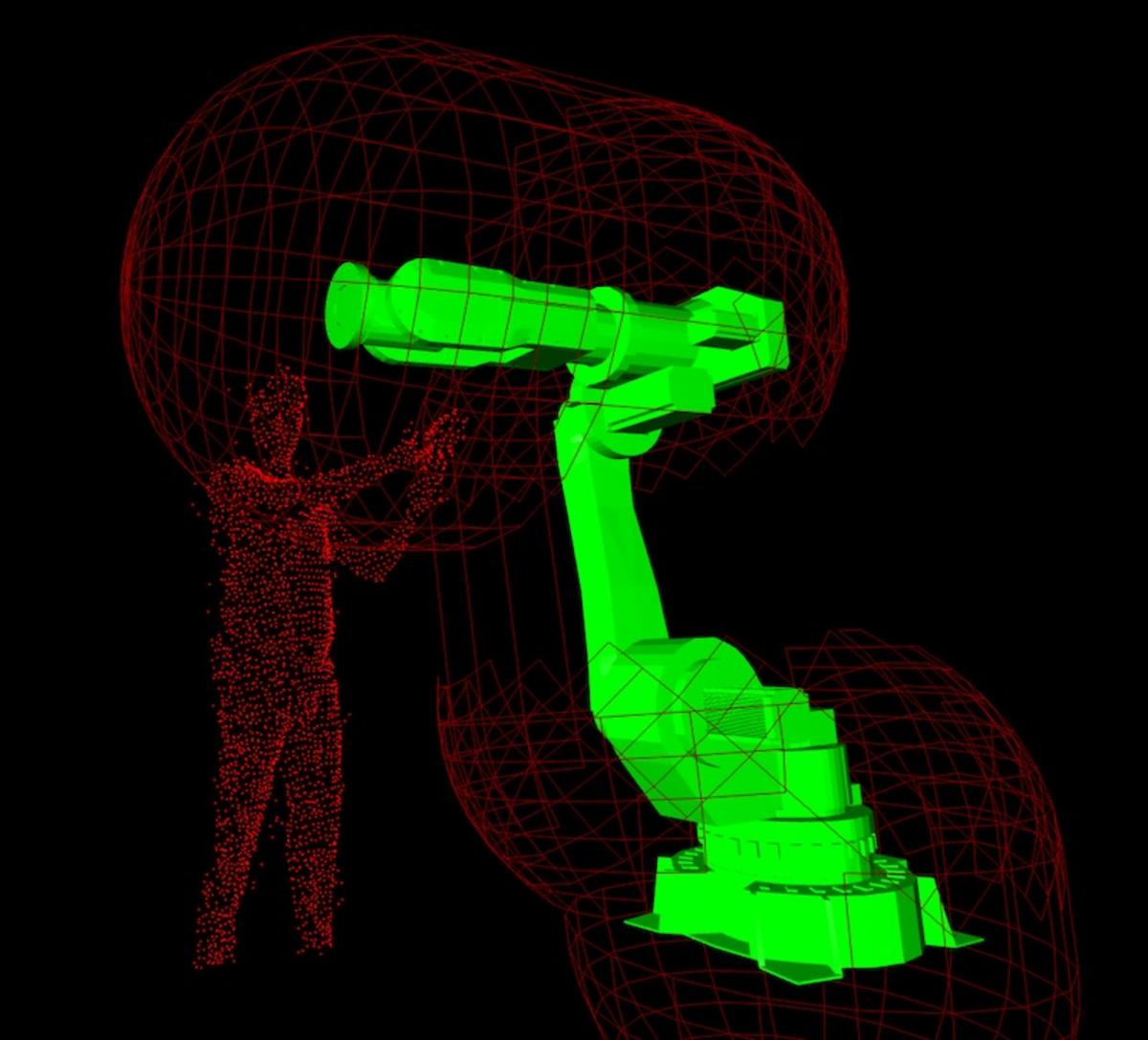
- •SR‑1’s real‑time 3D vision adjusts robot motion to avoid workers.
- •DoD SBIR Phase II grant provides $1.25 M for defense applications.
Pulse Analysis
The industrial robotics market has long wrestled with the paradox of safety versus flexibility. Traditional cages protect workers but consume valuable floor space and limit workflow agility. By securing UL 1740 certification, Sensory Robotics’ SR‑1 system validates a new safety paradigm that relies on continuous 3D perception rather than static barriers. This third‑party endorsement satisfies OSHA, insurance, and procurement requirements, effectively lowering the entry barrier for fenceless cobots across North American factories.
Beyond compliance, the SR‑1’s real‑time vision and adaptive control promise tangible operational gains. Manufacturers can eliminate the typical 10‑minute shutdown that occurs when a worker breaches a safety zone, translating into millions of dollars saved annually on lost production. The freed floor area also enables tighter cell layouts, higher throughput, and the integration of additional automation without costly facility redesigns. Early interest from automotive giants and heavy‑equipment leaders signals a rapid shift toward more collaborative workcells.
The broader ecosystem stands to benefit as well. A $1.25 million Department of Defense SBIR Phase II grant underscores the technology’s relevance to defense logistics and mobile platforms, while a $200,000 UC 1819 venture grant fuels further development of predictive motion analytics. As UL‑certified fenceless solutions enter the market, competitors will need to match or exceed these safety standards, likely accelerating innovation in sensor fusion and AI‑driven safety algorithms. The certification thus marks a watershed moment, positioning SR‑1 as a catalyst for the next wave of efficient, human‑centric manufacturing.
Sensory Robotics says ‘the end of robotic cages starts now’
Comments
Want to join the conversation?
Loading comments...