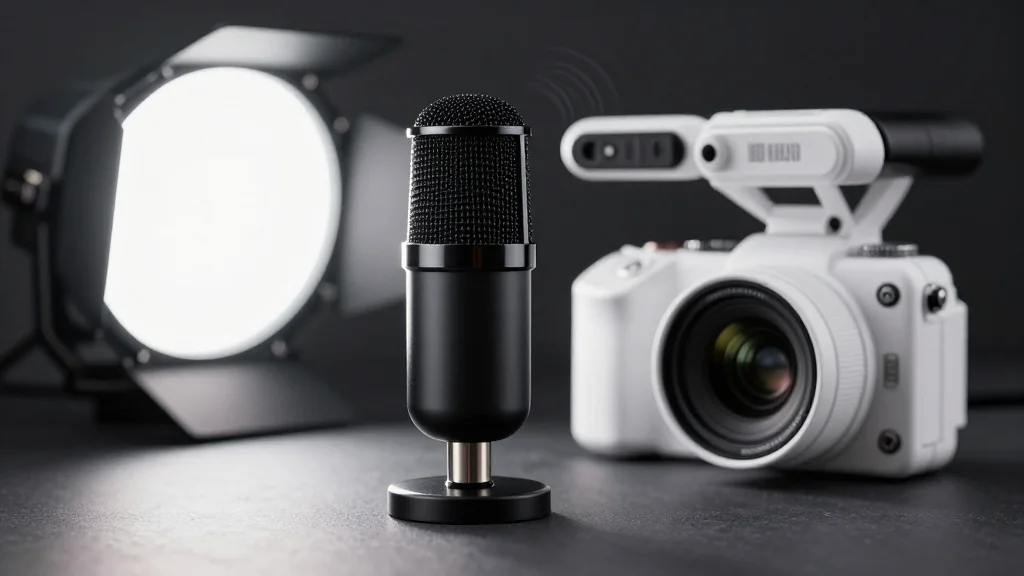
Video Podcast vs Audio Podcast: A 2026 Decision Guide
Key Takeaways
- •Audio podcasts need leaner setup, 2‑4 hrs editing per episode
- •Video podcasts require 4‑8 hrs editing, higher equipment cost
- •Choose format based on team capacity, distribution goals, and repurposing needs
- •Hybrid approach leverages video for discovery and audio for passive listening
- •Platform trends show video podcasts growing on YouTube and Spotify
Pulse Analysis
The podcast landscape in 2026 reflects a shift from single‑format thinking to a strategic blend of audio and video. While audio remains the go‑to medium for commuters and multitaskers, the rise of video consumption on YouTube, Spotify and short‑form channels has expanded the discovery funnel. Brands that treat the podcast as a content studio can capture audience attention early with eye‑catching clips, then nurture loyalty through audio‑only episodes that fit into daily routines. This dual‑format approach maximizes reach without sacrificing the intimacy that audio provides.
Production realities are a decisive factor. A basic audio setup costs roughly $100‑$200 and requires 2‑4 hours of editing per 45‑minute episode, making it ideal for rapid experimentation and tight publishing cadences. Video production, by contrast, often exceeds $500‑$2,000 in gear and demands 4‑8 hours of editing, plus additional roles for lighting, camera operation and thumbnail design. Teams must assess whether they can sustain this higher labor intensity week after week, not just at launch. When the answer is yes, the payoff includes richer asset trees—full‑length videos, short clips, stills, and interactive overlays—that feed multiple marketing channels.
Monetization and measurement also diverge by format. Audio excels at host‑read sponsorships and builds trust through repeated voice exposure, with success measured by downloads, completion rates and downstream sales conversations. Video, however, offers clickable CTAs, on‑screen product demos and visual sponsorship slots, allowing marketers to track watch time, click‑throughs and direct lead capture. The key is to align KPIs with the chosen format: reach and authority for audio, engagement and conversion for video. By mapping business goals, audience habits, production capacity and repurposing potential, brands can select the podcast model that delivers the greatest strategic value.
Video Podcast vs Audio Podcast: A 2026 Decision Guide
Comments
Want to join the conversation?