Why It Matters
Night‑time running remains popular, yet safety perceptions—especially for women—affect participation and mental‑health outcomes. Understanding how gear, mindset, and community support can mitigate fear is crucial for the broader fitness industry.
Key Takeaways
- •Confrontational driver incident sparked fear of night runs.
- •Seasonal affective disorder reduced motivation, leading to indoor treadmill use.
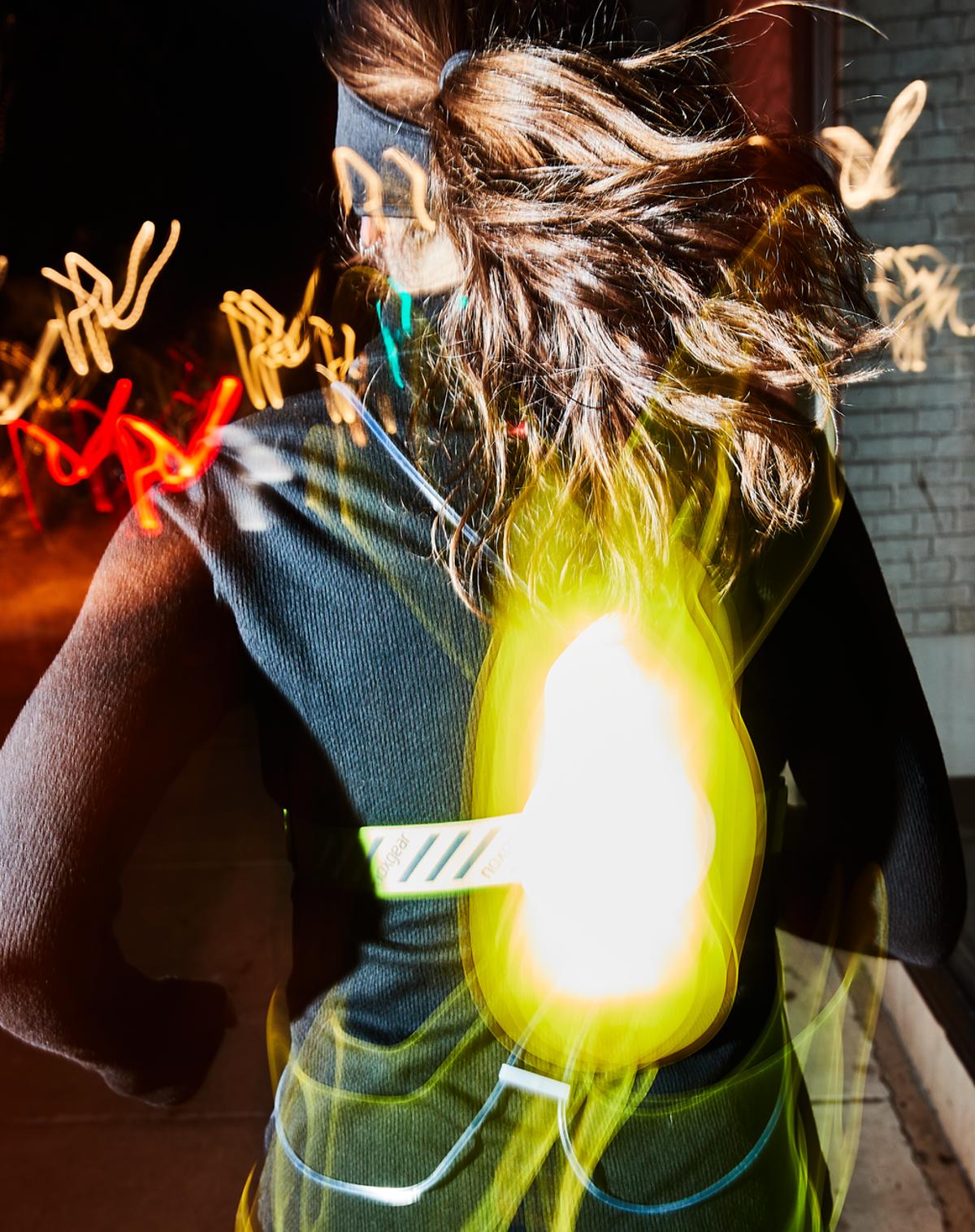
- •LED safety gear helped author reclaim confidence running after dark.
- •Narrative highlights gendered safety expectations and personal empowerment.
- •Night running can improve mental health despite safety concerns.
Pulse Analysis
Night running has surged as urban runners seek cooler temperatures and quieter streets, but safety concerns linger, especially for women. Studies show that perceived threat from motorists and strangers can deter up to 30% of female runners from exercising after sunset. The incident described—an aggressive driver confronting a lone runner—mirrors broader societal patterns where patriarchal expectations cast women as vulnerable, prompting a need for industry‑wide safety standards and community‑based patrols.
Beyond external risks, darkness offers unique mental‑health benefits. Seasonal affective disorder (SAD) often depresses motivation during winter months, yet many athletes report that low‑light runs provide a meditative focus, reducing rumination and anxiety. Modern reflective apparel and battery‑powered LED accessories now allow runners to stay visible without sacrificing the calming ambiance of night. Research indicates that exposure to low‑intensity artificial light during exercise can improve mood and circadian regulation, counteracting SAD symptoms while preserving the therapeutic silence of nocturnal routes.
For runners aiming to balance safety with the restorative qualities of night runs, a layered strategy works best: invest in high‑visibility gear, plan routes with ample street lighting, and join local running groups that organize twilight meet‑ups. Municipal planners can also contribute by installing motion‑activated lights and dedicated bike‑run lanes. When runners feel protected and empowered, they’re more likely to maintain consistent training, which translates into better performance, lower injury rates, and stronger community engagement across the fitness ecosystem.
I’m Done Scheduling My Runs Around Fear
Comments
Want to join the conversation?
Loading comments...