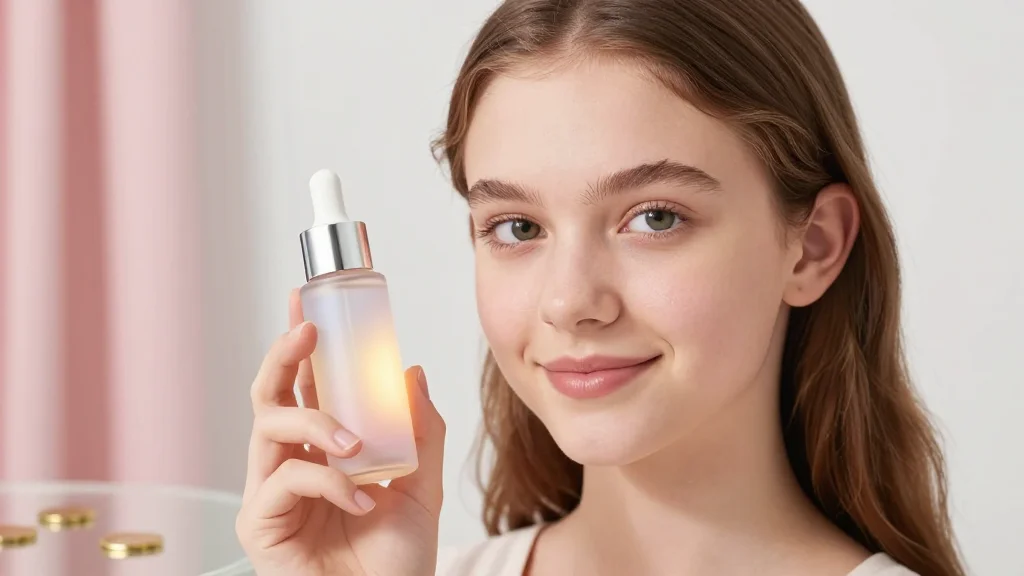
BBC Exposes £50k Teen Skincare Empire and Its Mental‑health Toll

Companies Mentioned
Why It Matters
The surge of teen‑driven skincare content intersects directly with personal‑growth narratives, where self‑image and habit formation shape long‑term confidence. When commercial incentives encourage adolescents to adopt adult‑level beauty standards, the risk of entrenched perfectionism and chronic anxiety rises, potentially affecting educational outcomes and career choices. Moreover, the financial success of young influencers blurs the line between childhood and entrepreneurship, prompting policymakers to reconsider child‑labour protections in the digital age. Understanding this dynamic is essential for parents, educators, and mental‑health professionals aiming to foster resilient, self‑compassionate growth in the next generation.
Key Takeaways
- •BBC investigation reveals a teen skincare channel generating over £50,000 ($62,000) annually.
- •Ellie‑May, 13, has 330,000+ TikTok followers and a multi‑step routine that drives brand deals.
- •A survey of 1,500 UK children (9‑12) shows nearly 50% use multiple skincare products weekly.
- •Cornell researcher Brooke Erin Duffy warns of new pressure on girls to meet adult beauty standards.
- •Regulators are reviewing age‑appropriate marketing rules for anti‑ageing cosmetics.
Pulse Analysis
The rise of teen skincare influencers reflects a broader shift in how personal‑growth content is monetized. Historically, self‑improvement niches—fitness, mindfulness, productivity—targeted adults seeking incremental change. Today, platforms like TikTok have lowered the barrier to entry, allowing pre‑teens to become both content creators and consumers of sophisticated beauty regimes. This democratization fuels rapid market expansion but also erodes traditional developmental boundaries.
From a market perspective, brands are capitalising on the authenticity of youthful voices to bypass the skepticism that adult influencers often face. The £50,000 revenue stream for a single family underscores the profitability of micro‑influencer economies, where niche audiences translate into high conversion rates. However, the long‑term brand risk is significant: if regulatory bodies clamp down on child‑focused advertising, companies may lose a fast‑growing segment and face reputational backlash.
Looking ahead, the personal‑growth sector must grapple with the ethical implications of early‑age self‑image conditioning. Schools and parents will likely need new curricula that teach digital literacy alongside critical thinking about beauty standards. Simultaneously, policymakers may introduce stricter disclosure requirements and age‑gating mechanisms, reshaping how influencers like Ellie‑May operate. The outcome will set a precedent for the balance between entrepreneurial opportunity and the psychological health of the next generation.
BBC exposes £50k teen skincare empire and its mental‑health toll
Comments
Want to join the conversation?
Loading comments...