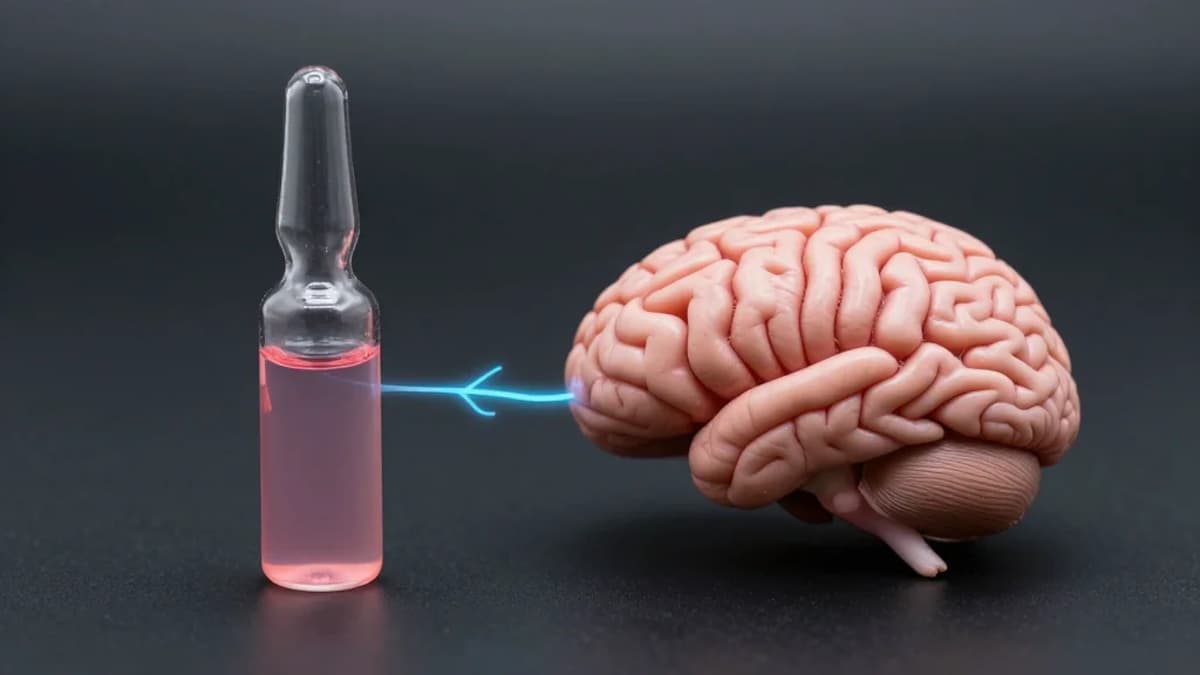
The Gut Microbiome May Influence Brain Aging, Mouse Study Suggests
•March 11, 2026
0
Why It Matters
The findings suggest the gut microbiome could become a target for interventions against age‑related cognitive decline, highlighting a novel therapeutic pathway for neurodegenerative disease research.
Key Takeaways
- •Old mice gut bacteria impair young mice cognition.
- •Parabacteroides goldsteinii identified as culprit species.
- •Antibiotics or vagus stimulation reverse memory decline.
- •Findings limited to mice; human relevance uncertain.
- •Potential therapies target microbiome or vagus nerve.
Pulse Analysis
The new mouse study deepens our understanding of the microbiota‑gut‑brain axis, a bidirectional communication network that has been linked to mood, stress, and now memory. By transferring fecal material from 18‑month‑old mice to sterile‑raised two‑month‑old counterparts, researchers observed a marked decline in spatial and recognition tasks, mirroring age‑related cognitive loss. This experimental design isolates the gut microbiome as a variable, reinforcing earlier work that youthful microbiota can rejuvenate older brains, and positions specific bacterial species as modulators of neural health.
Sequencing revealed *Parabacteroides goldsteinii* as the primary driver of the observed deficits. The bacterium appears to provoke systemic inflammation that dampens vagal signaling, the primary conduit between gut and brain. When young mice received either broad‑spectrum antibiotics or direct vagus nerve stimulation, their performance rebounded, indicating that both microbial load and neural pathway integrity are critical. These results dovetail with emerging data on vagus nerve stimulation’s efficacy in treating epilepsy and depression, suggesting a plausible crossover for cognitive preservation.
Translating these insights to humans will require careful navigation of the vastly more complex human microbiome and ethical considerations around microbiota manipulation. Nonetheless, the study opens avenues for probiotic or targeted antimicrobial therapies, as well as refined neuromodulation protocols, to mitigate age‑related memory decline. Future clinical trials must establish causality, dosage, and safety, but the prospect of a gut‑based strategy for brain health could reshape preventive neurology and geriatric care.
The gut microbiome may influence brain aging, mouse study suggests
0
Comments
Want to join the conversation?
Loading comments...