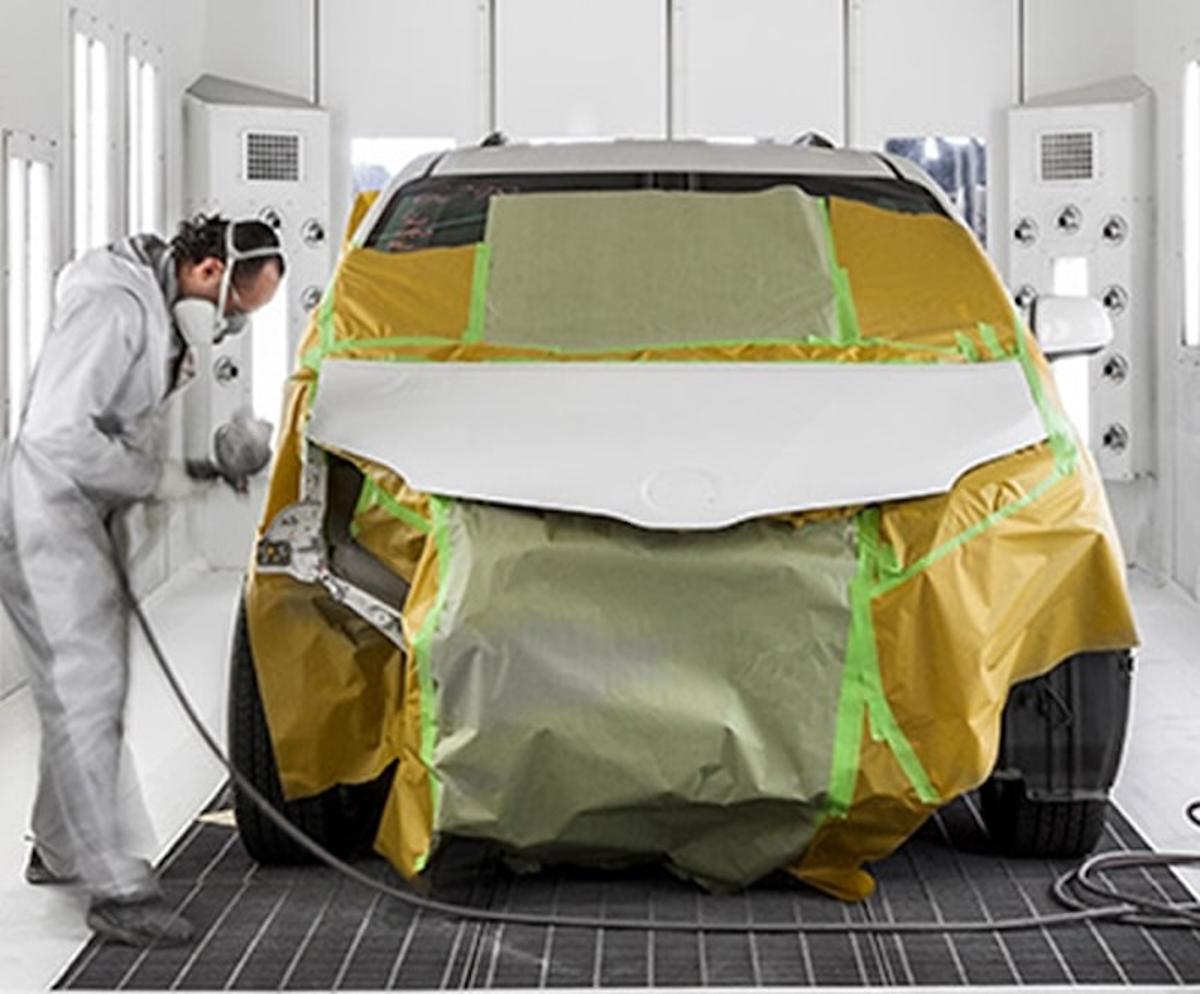
Key Advantages of Professional Collision Repair for Vehicle Safety and Performance
Why It Matters
Accurate repairs safeguard occupants in future crashes and maintain a vehicle’s financial value, making them critical for insurers, manufacturers, and consumers alike.
Key Takeaways
- •Frame alignment restores crash energy absorption
- •ADAS sensors require precise post‑repair calibration
- •Certified repairs sustain higher resale prices
- •Proper material handling prevents future structural failures
- •Detailed repair records boost buyer confidence
Pulse Analysis
The collision‑repair landscape is evolving as modern vehicles incorporate high‑strength steel, aluminum alloys, and complex safety architectures. OEM‑backed repair centers now rely on computer‑controlled frame straightening and laser measurement systems that can detect sub‑millimeter deviations, ensuring the chassis regains its original load‑path characteristics. This precision not only meets federal safety standards but also reduces the risk of hidden fatigue that could compromise crash performance in subsequent accidents.
Advanced Driver Assistance Systems add another layer of complexity. Sensors, cameras, and radar units are calibrated to millimeter tolerances; even a slight misalignment can trigger false alerts or disable critical functions like automatic emergency braking. Specialized calibration rigs and software, often supplied directly by manufacturers, are becoming standard tools in reputable shops. As ADAS adoption climbs—projected to exceed 80% of new cars by 2028—proper post‑collision calibration is emerging as a liability shield for both repair facilities and insurers, preventing costly lawsuits stemming from sensor failures.
From a market perspective, consumers increasingly scrutinize repair histories when buying used cars. Certified collision repairs, complete with documented parts and procedures, can lift resale values by 5‑10% compared with undocumented fixes. Insurance firms are also incentivizing OEM‑compliant repairs through tiered claim settlements, recognizing the long‑term cost savings of reduced re‑claims and warranty issues. As the industry leans toward data‑driven quality metrics, collision centers that invest in advanced equipment and technician training will capture a premium segment of safety‑conscious buyers.
Key Advantages of Professional Collision Repair for Vehicle Safety and Performance
Comments
Want to join the conversation?
Loading comments...