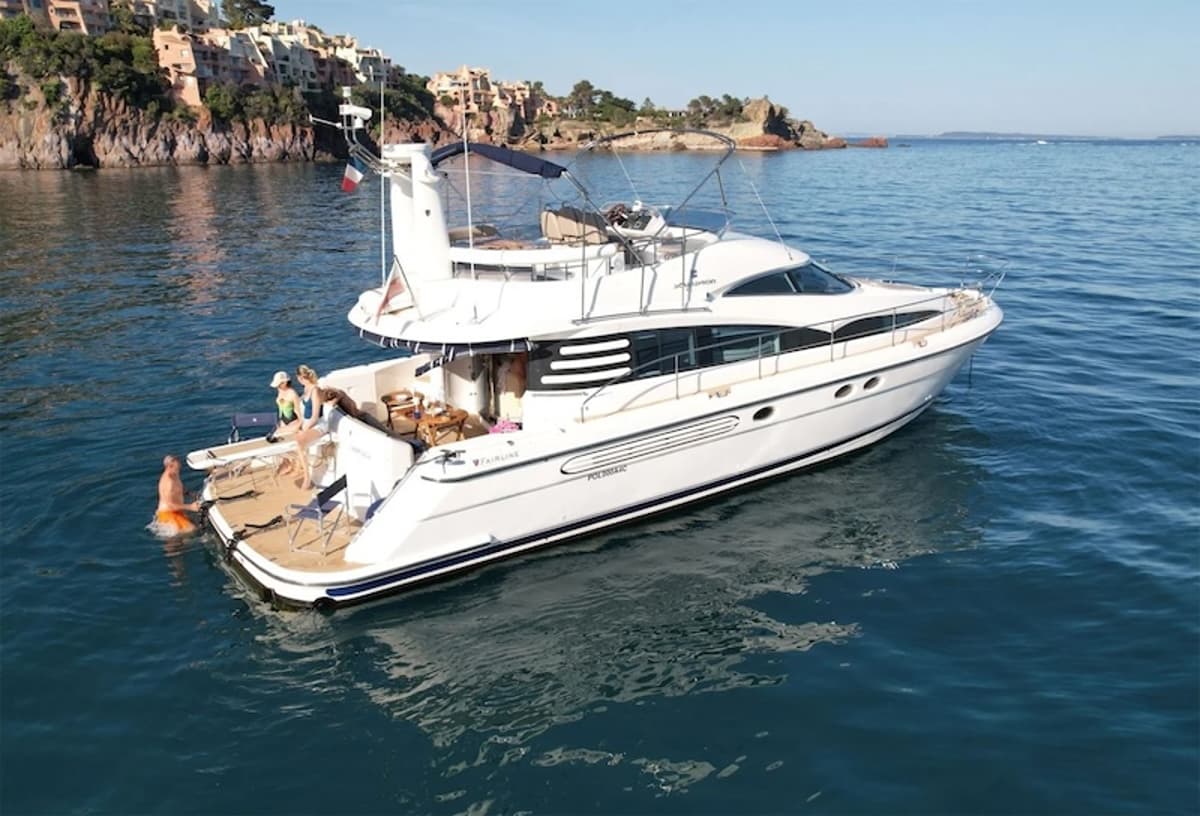
How to Choose a Reliable Broker for Yacht Charter in Cannes
Why It Matters
A qualified broker shields charterers from costly legal disputes and unexpected service failures, preserving both budget and reputation in a high‑stakes luxury market. This guidance raises industry standards and helps consumers navigate a fragmented, sometimes opaque, charter ecosystem.
Key Takeaways
- •Choose brokers licensed in France or EU, preferably MYBA/ECPY members
- •Demand detailed price breakdown; hidden fees inflate costs
- •Verify fleet condition with fresh photos, video walkthroughs, certificates
- •Read contracts for damage penalties, cancellation terms, and deposit rules
- •Book 3‑4 months ahead; low‑price offers often hide risks
Pulse Analysis
Cannes’ reputation as the French Riviera’s flagship charter destination is backed by a robust seasonal economy that sees thousands of yachts docked each summer. The concentration of high‑net‑worth travelers drives demand for premium vessels, pushing charter rates upward and prompting savvy renters to seek professional brokers who can navigate the market’s price volatility. As digital marketplaces proliferate, the role of a knowledgeable intermediary becomes a differentiator, ensuring clients secure vessels that match both itinerary and budget while avoiding the pitfalls of direct owner negotiations.
French maritime law governs every charter transaction in Cannes, imposing strict obligations on both owners and brokers. A reputable broker must present a transparent cost structure that separates the base charter fee from ancillary expenses such as fuel, port dues, crew gratuities, and security deposits—often translating a quoted €5,000 (~$5,400) into a total spend that can exceed €7,000 (~$7,600) once fees are added. Moreover, brokers are responsible for verifying class certificates, insurance policies, and recent technical inspections, thereby mitigating liability for damage penalties that can surpass the charter price itself. This legal scaffolding protects renters from hidden clauses and ensures compliance with local regulations.
Effective due diligence now blends traditional vetting with modern tools. Prospective charterers should request up‑to‑date photographs, video walkthroughs, and real‑time availability calendars, while cross‑checking independent reviews that cite specific vessels and dates. Booking 3‑4 months in advance remains essential; peak‑season inventory depletes quickly, and last‑minute deals often signal sub‑par assets or unlicensed operators. Looking ahead, AI‑driven matching platforms and sustainability certifications are poised to reshape the broker landscape, offering more personalized options and greener charter experiences for discerning clients.
How to Choose a Reliable Broker for Yacht Charter in Cannes
Comments
Want to join the conversation?
Loading comments...