South Korea’s Chungbuk and Chungnam Target Wellness Travellers
Why It Matters
The initiative diversifies South Korea’s tourism beyond its megacities, tapping into the fast‑growing global wellness market and driving regional economic development.
Key Takeaways
- •Chungbuk launches three‑year wellness tourism program to boost regional brand
- •Boeun’s Beopjusa Temple offers UNESCO‑listed temple‑stay experiences
- •Rainbow Healing Center in Yeongdong emphasizes natural light and airflow design
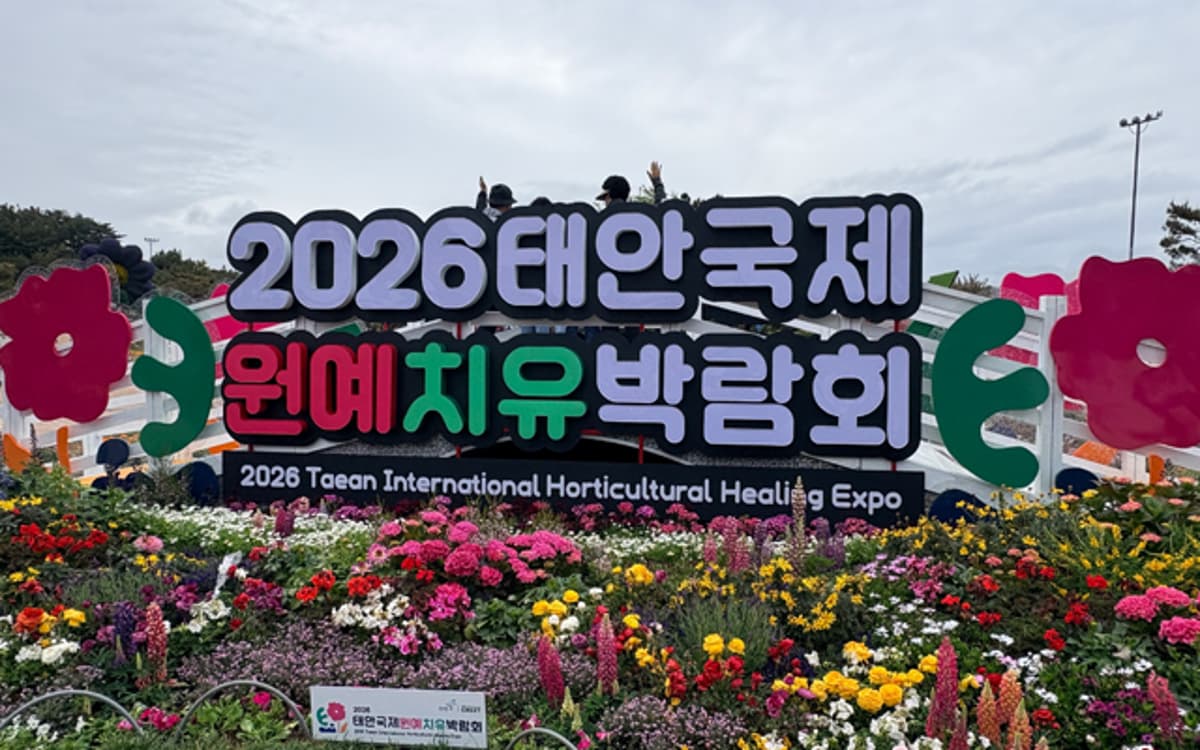
- •Taean Expo 2026: first global horticultural event focused on nature therapy
- •Cheongju Airport links region to 19 international routes, enhancing visitor access
Pulse Analysis
Wellness tourism has become a multi‑billion‑dollar sector worldwide, with travelers seeking experiences that combine health, nature and cultural immersion. South Korea, traditionally known for its high‑tech cities and K‑pop culture, is now leveraging its central provinces to capture a share of this market. Chungcheongbuk‑do’s three‑year strategic plan integrates natural landscapes, traditional cuisine and heritage sites, creating a cohesive brand that appeals to both domestic and international visitors looking for slower‑paced, restorative getaways.
The rollout of flagship attractions underscores the regions’ commitment to differentiated offerings. Boeun’s Beopjusa Temple provides UNESCO‑certified temple‑stay programs that blend spirituality with wellness, while the Rainbow Healing Center in Yeongdong showcases architecture designed for optimal daylight and ventilation, enhancing therapeutic outcomes. In Chungnam, the Taean International Horticulture & Healing Expo slated for 2026 promises to be the first global expo dedicated solely to nature‑based therapy, positioning the province as a pioneer in horticultural healing. Complementary facilities such as the Taean Marine Healing Center, which utilizes saline groundwater and peat, broaden the spectrum of marine‑based treatments available to tourists.
Infrastructure upgrades are pivotal to the strategy’s success. Cheongju International Airport’s network of 19 international routes connects the provinces to key Asian markets, while the C‑Tour Bus and Demand‑Responsive Transit system improve intra‑regional mobility. These transport enhancements reduce friction for travelers, encouraging longer stays and higher spend per visitor. As wellness travel continues its upward trajectory, Chungbuk and Chungnam’s coordinated branding, unique product mix, and logistical support could set a benchmark for regional tourism development across Asia.
South Korea’s Chungbuk and Chungnam target wellness travellers
Comments
Want to join the conversation?
Loading comments...