The 7 Stretches Physical Therapists Wish Runners Would Do
Why It Matters
Improving mobility in these key areas helps prevent overuse injuries and boosts running performance, making the stretches essential for both recreational and competitive athletes.
Key Takeaways
- •Open Book stretch improves thoracic rotation for better arm swing
- •Front‑foot couch stretch targets quads and hip flexors tension
- •Active big toe stretch enhances push‑off power and gait stability
- •Weight‑bearing knee‑to‑wall stretch boosts ankle dorsiflexion for running
- •Hip internal rotation drill increases hip mobility, reducing compensatory movements
Pulse Analysis
Runners often overlook the cumulative impact of tight muscles and restricted joints on long‑term performance. While mileage and speed work dominate training plans, mobility work addresses the underlying biomechanical imbalances that lead to shin splints, IT band syndrome, and plantar fasciitis. Targeted stretches for the thoracic spine, calves, hip flexors, and even the big toe create a more fluid kinetic chain, allowing each segment to move through its optimal range without compensating for neighboring restrictions. This proactive approach not only reduces injury incidence but also enhances running economy by enabling smoother force transfer.
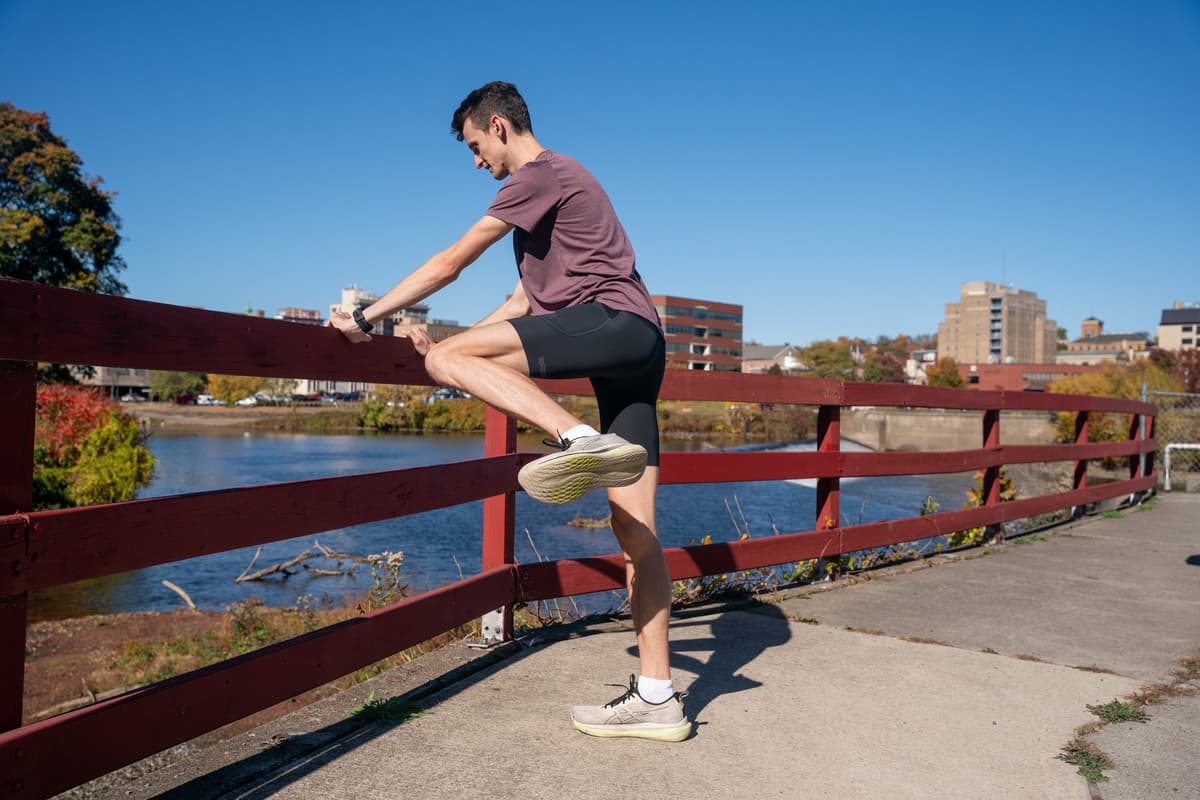
The seven stretches highlighted by physical therapists each serve a distinct functional purpose. The Open Book stretch unlocks thoracic rotation, facilitating better arm swing and lumbar stability. The front‑foot elevated couch stretch deepens quad and hip‑flexor length, while the standing knee‑to‑wall routine mimics weight‑bearing ankle dorsiflexion essential for proper foot strike. Meanwhile, the active big toe stretch restores toe extension, a surprisingly critical factor for push‑off power. Hip‑focused drills, such as the banded flexor stretch and internal rotation exercise, counteract the sedentary lifestyle that shortens hip flexors and limits extension, directly supporting a stronger propulsive phase.
For practical implementation, runners should treat mobility as a complementary session rather than an afterthought. Performing each stretch for two sets of 30‑second holds post‑run, when tissues are warm, maximizes elasticity gains. Incorporating breath‑coordinated movements like the half‑kneeling side bend can also improve rib cage expansion, enhancing oxygen intake during subsequent workouts. Consistent weekly adherence to this routine can translate into smoother strides, reduced soreness, and measurable gains in pace, making mobility work a high‑ROI investment for any runner's training arsenal.
The 7 Stretches Physical Therapists Wish Runners Would Do
Comments
Want to join the conversation?
Loading comments...