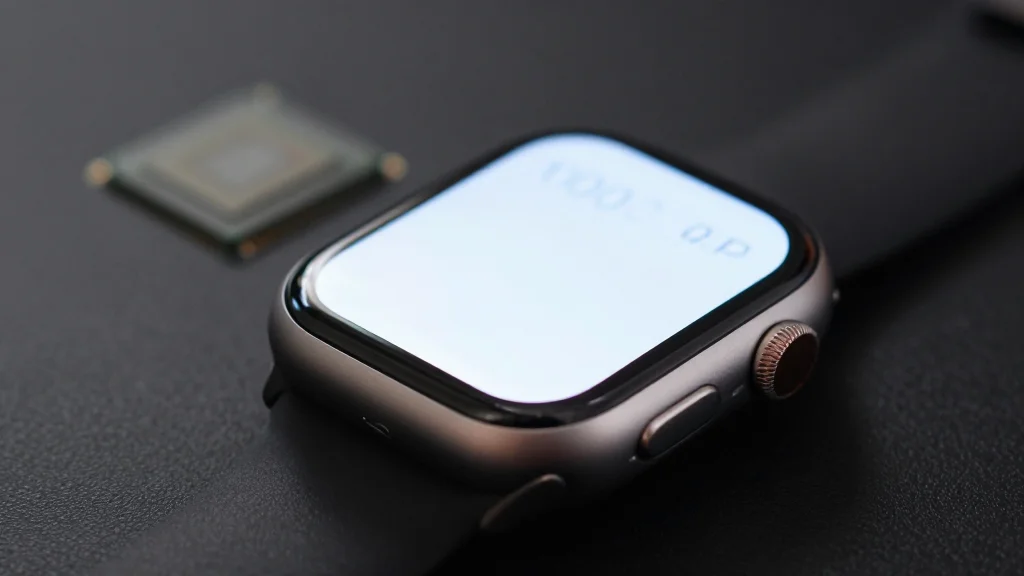
Google Pixel Watch 5 Leaks Hint at Tensor Chip, Sapphire Glass, and 4,000‑Nit Display

Companies Mentioned
Why It Matters
The rumored shift to an in‑house Tensor processor marks a strategic pivot for Google, aligning its wearable with the same silicon strategy it uses for Pixel phones and the Pixel Tablet. By controlling the core of the device, Google can differentiate the Pixel Watch from competitors that rely on third‑party chips, potentially delivering tighter AI integration and longer battery life—two factors that have historically limited smartwatch adoption. If the Sapphire crystal and 4,000‑nit display materialize, the Pixel Watch 5 could set a new durability and visibility benchmark in the Android wearables market. That would pressure rivals like Samsung and Apple to accelerate their own material upgrades, intensifying competition in a segment that has seen modest growth but high consumer expectations for premium build quality. The health‑tracking enhancements also signal Google’s ambition to move beyond fitness metrics into clinical‑grade monitoring. Successful implementation could open new revenue streams through partnerships with health insurers and wellness platforms, while also raising regulatory scrutiny around data privacy and medical accuracy. Overall, the Pixel Watch 5 could reshape the balance of power in the smartwatch arena, offering a high‑spec device at a mid‑range price and leveraging Google’s AI ecosystem to attract a broader user base.
Key Takeaways
- •Pixel Watch 5 expected later this year, likely alongside Pixel 11 launch
- •Google may replace Qualcomm with a custom Tensor processor and multicore design
- •Potential health sensors include arterial stiffness and optional blood‑pressure monitoring
- •Design could feature sapphire crystal glass and a brightness boost to 4,000 nits
- •Starting price projected at $349 for the non‑cellular model
Pulse Analysis
Google’s decision to embed a Tensor chip in the Pixel Watch 5 reflects a broader industry trend of vertical integration, where manufacturers seek tighter control over hardware and software to deliver differentiated experiences. Apple’s success with its own silicon in the Apple Watch series has shown that on‑device AI can power features like fall detection and ECG analysis without draining the battery. By following suit, Google not only narrows the performance gap with Apple but also reduces reliance on Qualcomm, a supplier that has historically dictated pricing and roadmap constraints for Android OEMs.
The rumored sapphire crystal and 4,000‑nit display are more than cosmetic upgrades; they address two persistent pain points for smartwatch users—durability and outdoor readability. Samsung’s recent Galaxy Watch 6 series introduced a tougher glass but stopped short of sapphire, citing cost concerns. If Google can deliver sapphire at a $349 price point, it could force competitors to reconsider their material choices, potentially sparking a price‑war cascade that benefits consumers.
Health monitoring is the next frontier for wearables, and Google’s patent filings suggest it is aiming for a more clinical role. Arterial stiffness is a predictor of cardiovascular events, and integrating such metrics could position the Pixel Watch as a preventive health tool rather than a fitness tracker. However, moving into medical territory brings regulatory hurdles. Google will need to navigate FDA clearance pathways in the U.S. and equivalent bodies worldwide, which could delay feature rollouts or increase compliance costs.
From a market perspective, the Pixel Watch 5 could rejuvenate Google’s wearables line, which has lagged behind Apple and Samsung in market share. A compelling hardware upgrade combined with a familiar price point may attract Android users who have been waiting for a premium‑feeling smartwatch that doesn’t break the bank. If the device gains traction, it could also boost the adoption of Google’s broader ecosystem—Fitbit health data, Gemini AI services, and the Pixel phone lineup—creating a virtuous cycle of cross‑product loyalty.
In the short term, the key risk is execution. Leaks are inherently uncertain, and any delay or deviation from the rumored specs could dampen excitement. Yet the convergence of a custom chip, premium materials, and advanced health sensors positions the Pixel Watch 5 as a potential catalyst for the next wave of smartwatch innovation.
Google Pixel Watch 5 Leaks Hint at Tensor Chip, Sapphire Glass, and 4,000‑Nit Display
Comments
Want to join the conversation?
Loading comments...