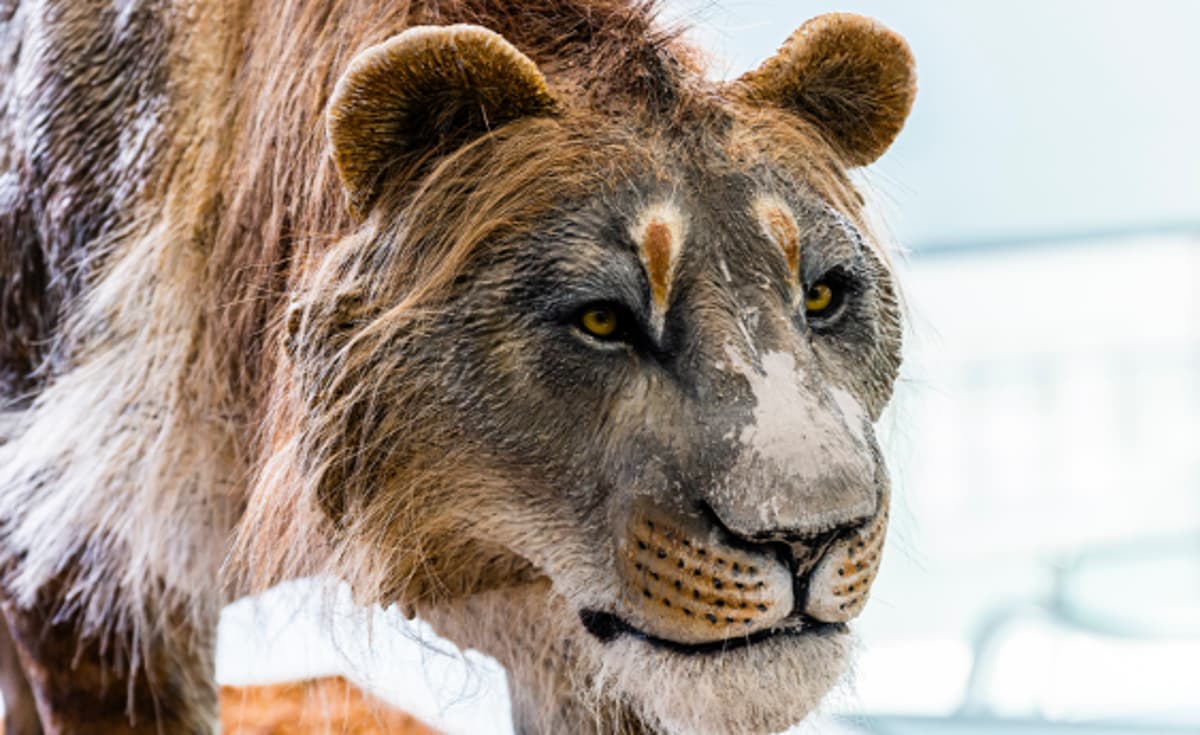
Ancient DNA Illuminates the Uniqueness of the Extinct Cave Lion
Why It Matters
The research rewrites the evolutionary timeline of big cats and demonstrates how past climate change can create hybridization opportunities, informing conservation strategies for species facing rapid environmental shifts.
Key Takeaways
- •Cave lions diverged from modern lions over 1 million years ago
- •Genomic analysis covered 12 specimens spanning 148,000–17,000 years
- •Late Pleistocene interbreeding peaked as climate cooled
- •Gene flow linked populations from Siberia to Central Asia
- •Study shows climate change can force species overlap and hybridization
Pulse Analysis
The Eurasian cave lion (Panthera spelaea) roamed the northern continents until the end of the Pleistocene, leaving behind striking cave paintings and massive skeletal remains. A new study in Cell, led by David Stanton and Love Dalén, sequenced genomes from twelve museum specimens dated between 148,000 and 17,000 years ago. By comparing these ancient sequences with 20 modern lion genomes from Africa and India, the researchers established that cave lions split from their extant relatives more than one million years ago, confirming a long‑standing separate evolutionary trajectory. These findings also refine the timeline of big‑cat diversification across Eurasia.
The genomic data also revealed episodic gene flow between cave and modern lions, intensifying during colder intervals when ice sheets expanded. As temperatures fell, cave lions migrated southward, encountering contemporary lion populations across Siberia, Central Asia and Europe, which produced detectable hybrid signatures in the three youngest specimens. Such hybrid events likely influenced morphological traits, contributing to the lion’s variable coat coloration observed in the fossil record. This pattern illustrates how rapid climate shifts can dissolve geographic barriers, creating brief windows for interspecies breeding—a dynamic that modern conservationists must consider when assessing hybridization risk among fragmented carnivore populations.
Beyond the paleontological narrative, the study underscores the power of ancient DNA to rewrite species histories and inform present‑day biodiversity strategies. By pinpointing a million‑year independent lineage, researchers highlight the genetic uniqueness lost with the cave lion’s extinction, a cautionary reminder of how climate‑driven habitat change can erase irreplaceable genetic reservoirs. As sequencing technologies become more accessible, similar investigations across megafauna are poised to reveal hidden evolutionary branches, offering valuable lessons for managing climate resilience in today’s threatened wildlife. Policymakers can leverage these insights to prioritize genetic monitoring in regions where climate corridors may foster unexpected interspecies contact.
Ancient DNA Illuminates the Uniqueness of the Extinct Cave Lion
Comments
Want to join the conversation?
Loading comments...