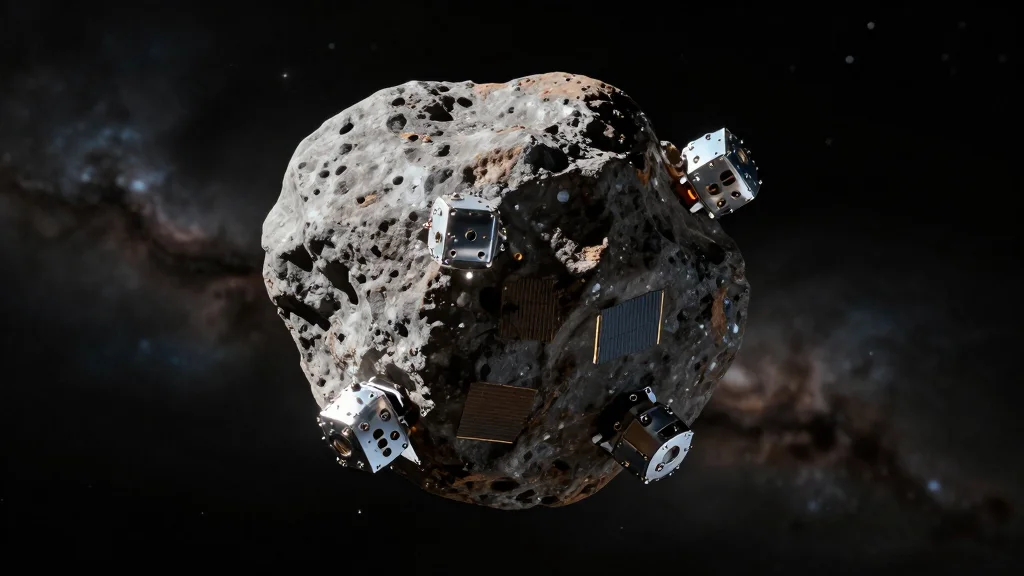
Meet REMORA: The Autonomous Space Fleet Built to Tag and Track Asteroids
The REMORA white paper proposes a €50 million (~$55 million) Mini‑F mission that would launch a swarm of six autonomous CubeSats to rendezvous with, tag, and study near‑Earth asteroids. Using the newly‑developed NEAR software suite, each satellite can navigate fuel‑efficiently without constant ground control. The concept leverages the UK’s Zero‑G Astrolab and Surrey’s small‑satellite ecosystem to keep costs low. If funded, REMORA could provide the in‑situ data needed for planetary‑defence and future asteroid‑resource ventures, especially ahead of the 2029 Apophis flyby.
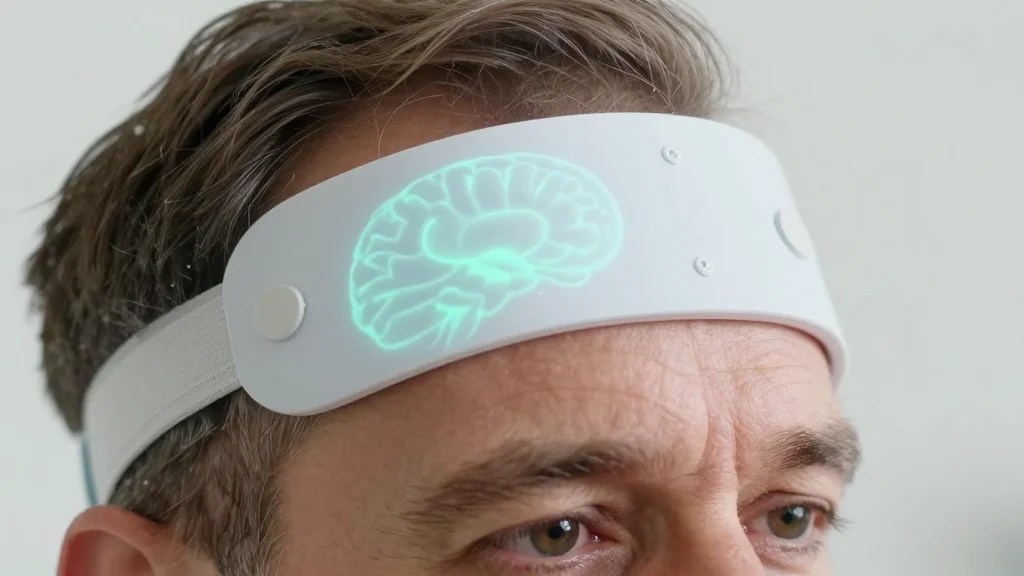
Noninvasive Brain Stimulation Reduces Parkinson’s Motor Symptoms in New Trial
Researchers demonstrated that transcranial temporal interference stimulation can noninvasively target the subthalamic nucleus and reduce Parkinson’s motor symptoms. In a randomized, double‑blind crossover trial of 30 early‑to‑mid stage patients, a single 20‑minute session lowered motor scores for up to an...
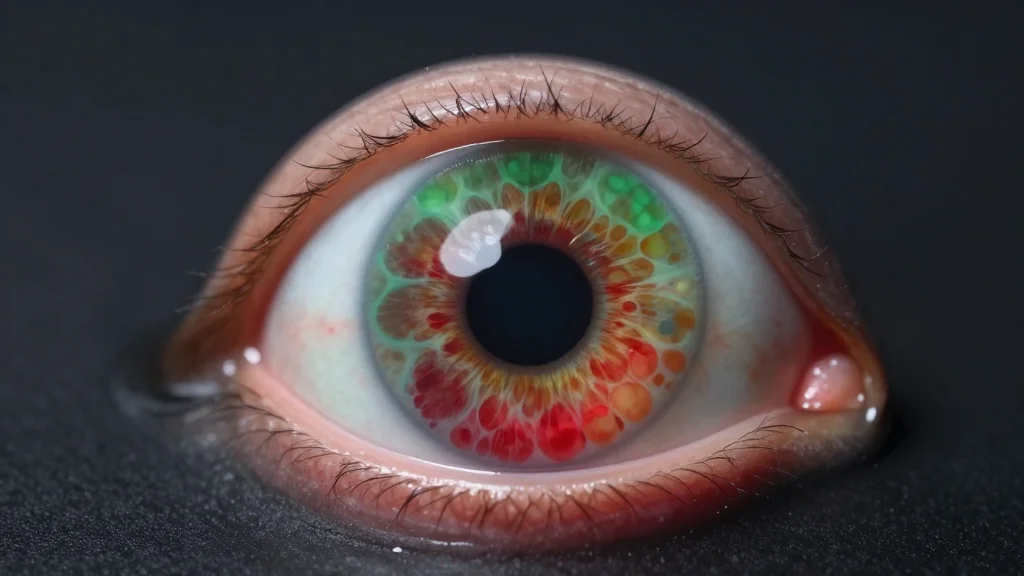
Identifying Retinal Cell Subgroups May Boost Success of Cell Transplants
Researchers at the University of Pennsylvania have mapped three distinct developmental stages of retinal photoreceptor cells using single‑cell RNA sequencing. The study shows that early‑stage cells possess stem‑like resilience, mid‑stage cells balance maturity and durability, and late‑stage cells are functionally...
University of Oklahoma Secures $11.5 Million NIH Grant to Launch Statewide Immunoengineering Research Center
The University of Oklahoma has been awarded an $11.5 million grant from the National Institutes of Health to establish a statewide Immunoengineering Research Center. The center will bring together more than a dozen Oklahoma universities, hospitals and biotech firms to accelerate...

Cerebellar Structural Changes Influence Social Behavior in Autism
Researchers at Kanazawa University discovered that loss of perineuronal nets (PNNs) in the deep cerebellar nuclei disrupts neuronal activity across brain circuits, leading to social deficits in autism mouse models. Enzymatic degradation of PNNs reproduced these deficits, while suppressing the...

As Tick Threat Grows, Navy Lab Investigates ‘Gummy Bear’ Bug Repellent
The Naval Research Laboratory has created a polymer‑based “gummy bear” material that embeds DEET and can be woven into fabrics or patches to provide at least six months of continuous insect protection. Laboratory tests published in 2024 show the resin...

New Vascularized Grafts May Improve Bladder Surgery for Children
UC Davis pediatric urologist Eric Kurzrock secured a $4 million NIH grant to test a bioengineered, vascularized bladder graft for children with neurogenic bladders caused by spina bifida or spinal cord injury. The graft uses an acellular pig‑derived scaffold modified with...

Scientists Race to Test Treatments as Ebola Outbreak Widens
Scientists in the Democratic Republic of Congo are treating a widening Ebola outbreak caused by the Bundibugyo virus, which has infected 695 people and killed 138. The makeshift Rwampara treatment center provides intensive supportive care, improving survival compared with past...
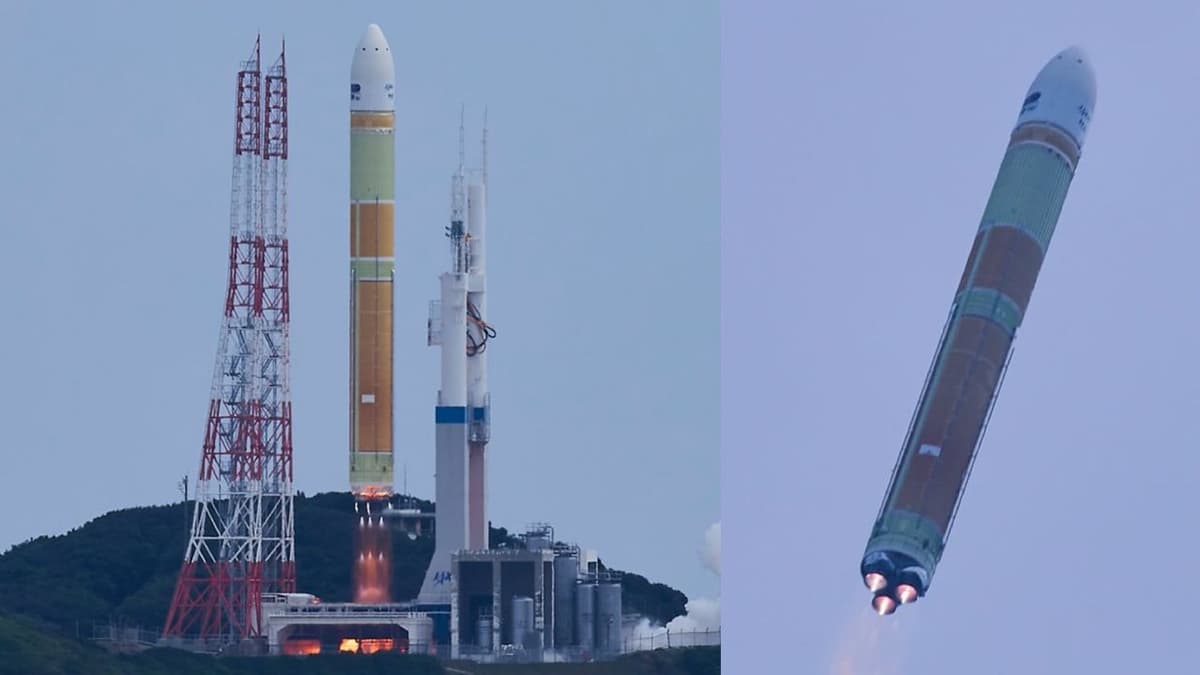
Japan's H3 Rocket Bounces Back From Failure with Successful Return to Flight Launch Carrying 6 Satellites
Japan's aerospace agency JAXA successfully launched the H3 rocket on June 11, marking its first flight since a December mishap that destroyed the Michibiki 5 satellite. The launch, from Tanegashima Space Center, employed a three‑engine configuration and delivered six payloads—including PETREL,...
IBM Quantum Releases Open-Source “Ffsim” Library for Specialized Fermionic Circuit Simulation
IBM Quantum unveiled ffsim, an open‑source Python library that dramatically speeds classical simulation of fermionic quantum circuits by exploiting particle‑number and spin‑z symmetries. The tool compresses the state‑vector space, enabling a 64‑qubit Hubbard lattice simulation to run on a desktop...

The Ancient Roots of Modern Winemaking
Archaeologists from the University of York extracted DNA from 2,000‑year‑old grape seeds recovered in a Tuscan well, revealing that ancient Chianti produced white wine rather than the modern red. The seeds belong to a single cultivar that persisted from Etruscan...
Microsoft and Quantinuum Publish Peer-Reviewed Quantum Error Correction Data in Nature
Microsoft and Quantinuum published a peer‑reviewed Nature paper detailing quantum error correction experiments on Quantinuum’s trapped‑ion QCCD hardware using Microsoft’s QDK virtualization platform. The study reports logical error‑rate reductions of 11× to 800×, with a 12‑qubit Knill code and a...
Hantavirus One-Shot mRNA Vaccine Fully Protects in Syrian Hamster Model
Researchers at the University of Texas Medical Branch have demonstrated that a single-dose mRNA vaccine targeting the Andes hantavirus provides complete protection in a Syrian hamster model. The vaccine encodes the virus’s envelope glycoproteins Gn and Gc and achieved 100%...
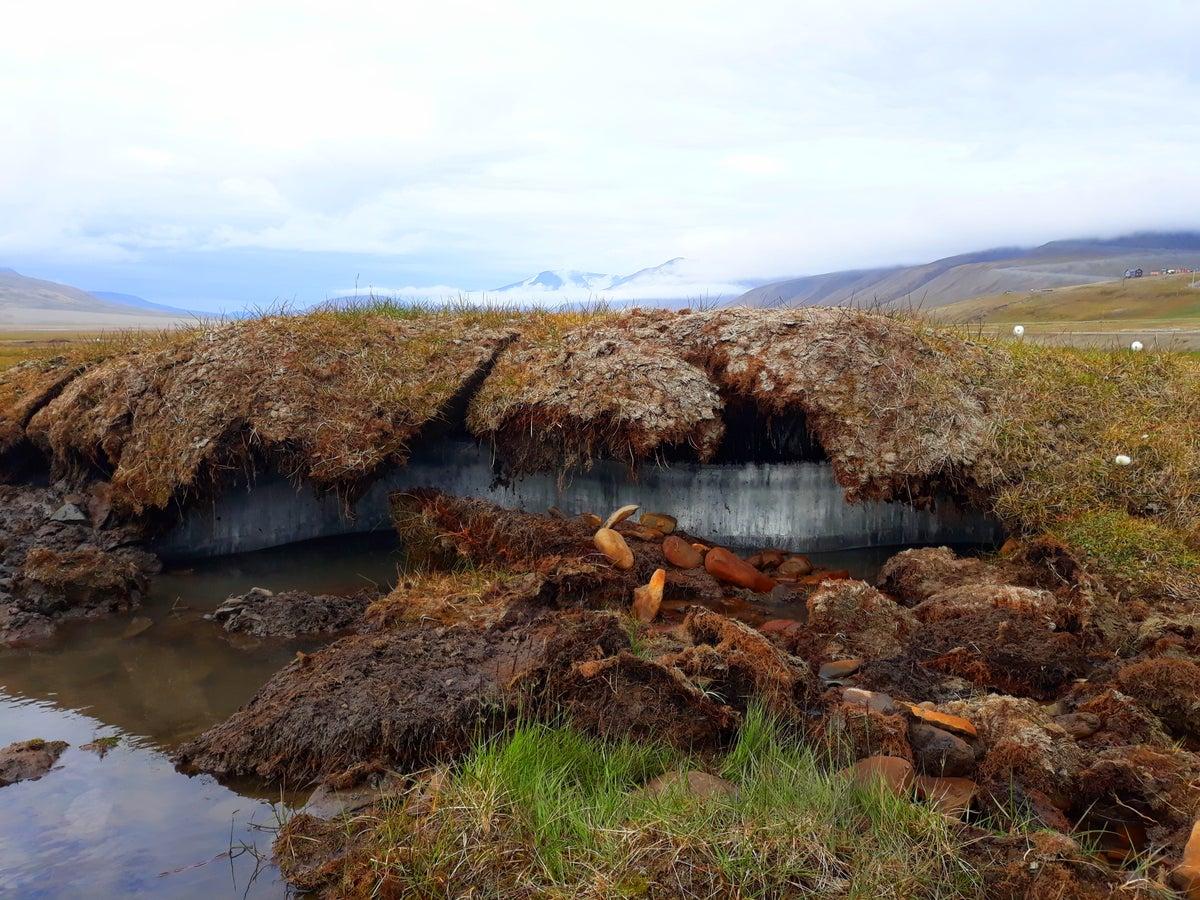
Earth’s Permafrost Could Soon Release Hidden ‘Deep Carbon,’ Supercharging Warming
A new analysis reveals that deep permafrost—soil layers beyond three meters—contains a hidden carbon reservoir that could be released much sooner than earlier models predicted. The study estimates a tipping point by 2100, when melting northern permafrost may emit more...
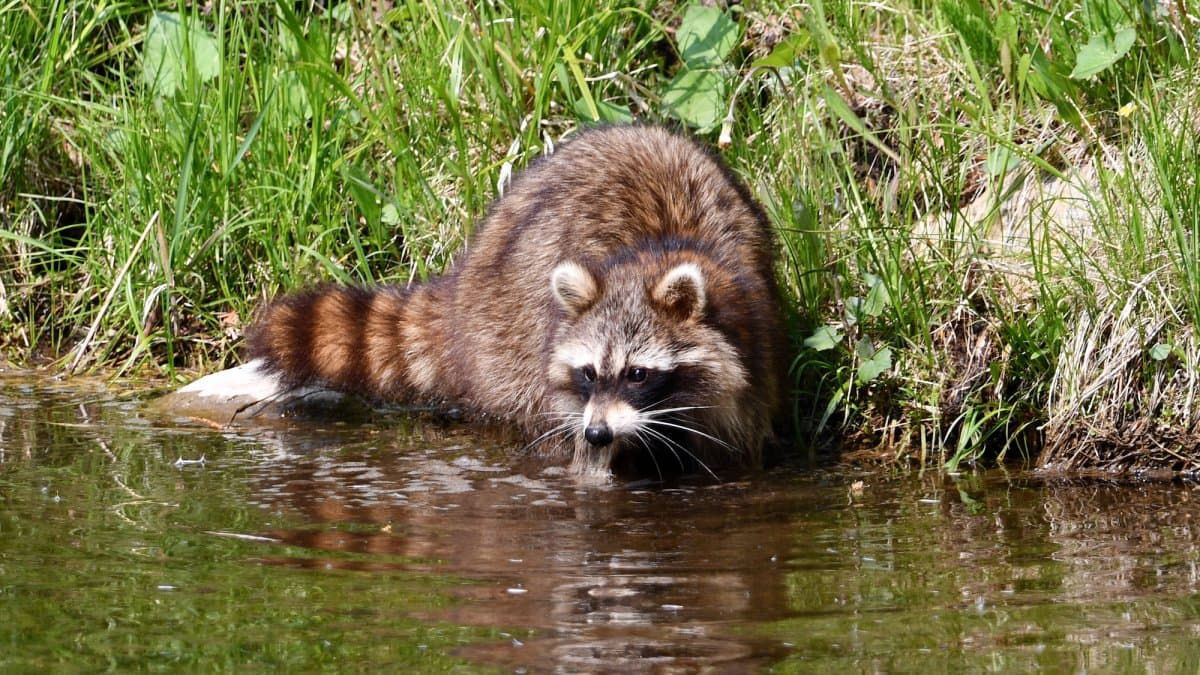
Raccoons Might Be Spreading Diarrhea-Causing Bacteria in Japan
Researchers at Osaka Metropolitan University have identified raccoons as a major reservoir for the diarrheal bacterium Escherichia albertii in Japan. Sampling of six rivers showed the pathogen in 77% of water samples during warm months, while 56% of 122 wild...