🎯 Today's Science Pulse
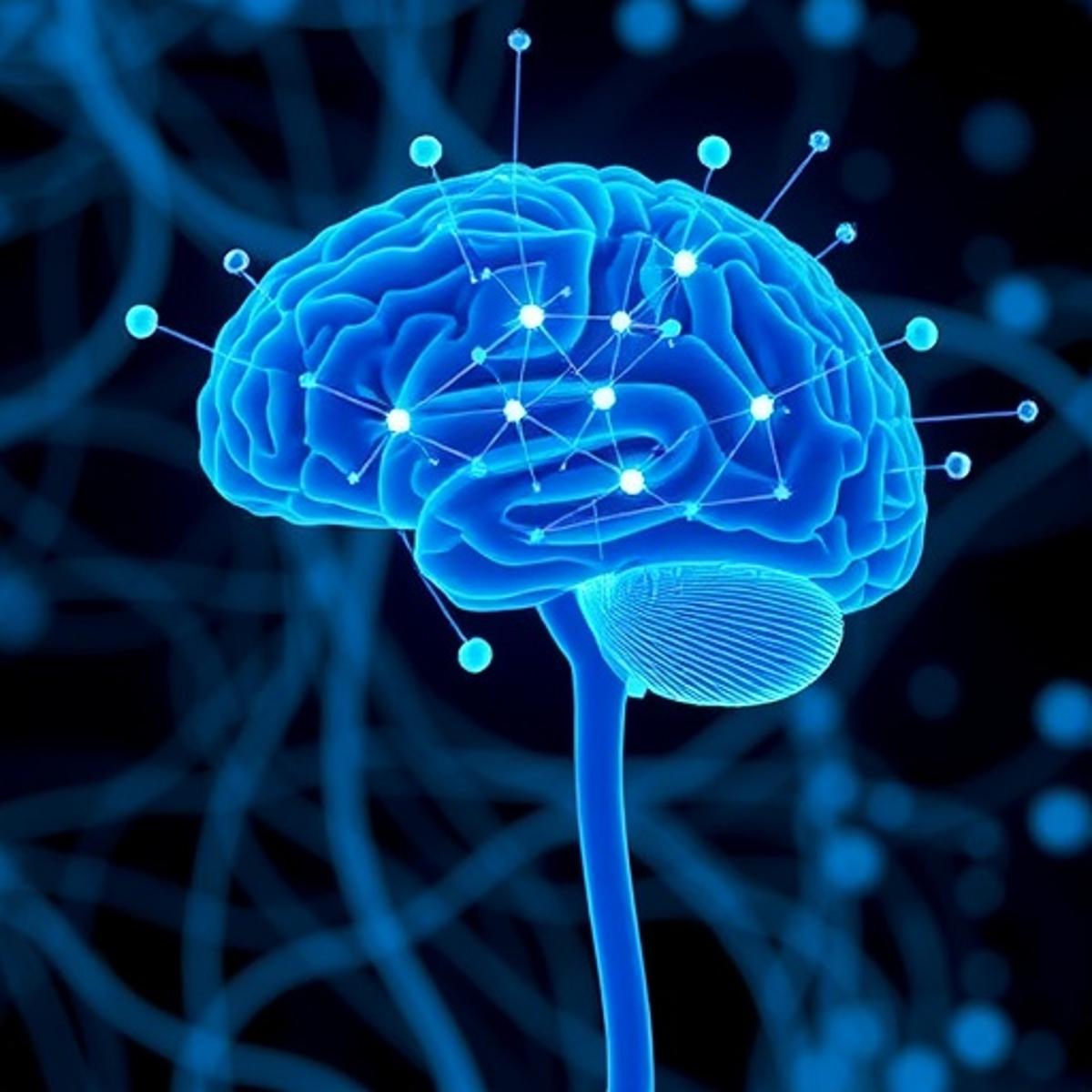
New study reveals how the brain revises its predictions
Researchers have uncovered the mechanisms by which the brain updates its predictive models, shedding light on fundamental cognitive processes. In related research, the University of Oklahoma secured an $11.5M NIH grant to launch a statewide immunoengineering center.
🚀 Top Science Headlines
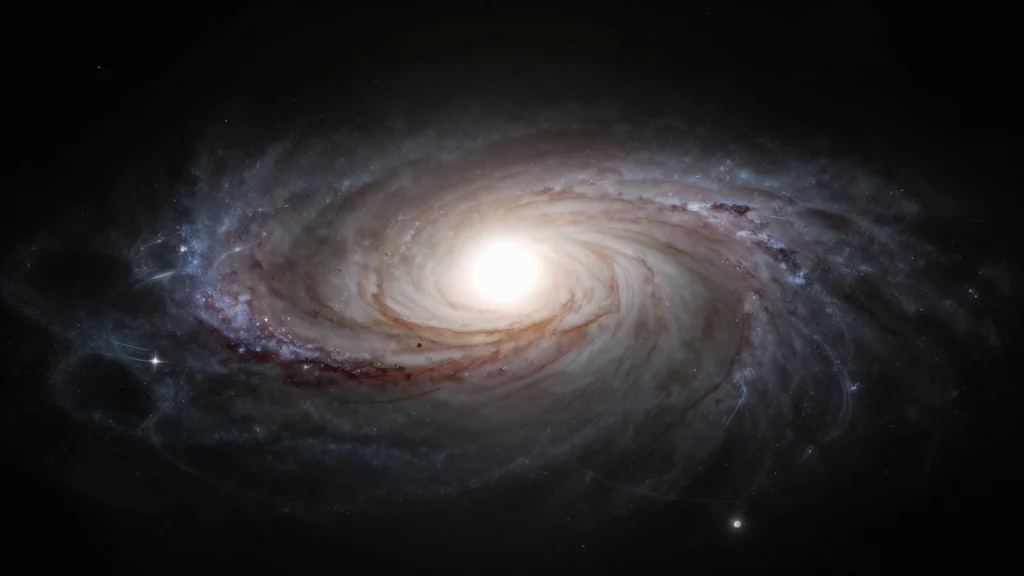
Light Echoes Reveal Possible Dark Matter Buildup Around Supermassive Black Holes
We may not know what dark matter is, but we keep getting whiffs of it. "We are reaching a point where the observational evidence for dark matter is simply undeniable," said Mayank Sharma, a Virginia Tech graduate student in physics.
Phys.org - Space News
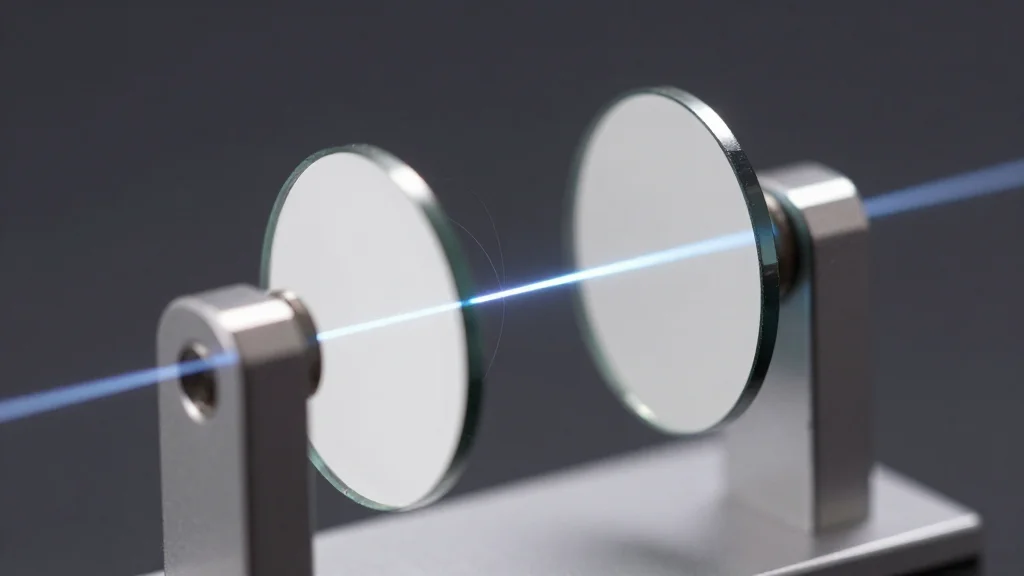
A New Kind of Entanglement Helps Quantum Sensors Tune Out Noise
In a quest to build the most accurate quantum sensors in the world, scientists are constantly improving their performance, making them more precise, more stable and more reliable. But eventually, physical constraints will prevent further improvements.
Phys.org (Quantum Physics News)

KONGSBERG Deploys New Seabed Mapping System on Nautilus Expedition
KONGSBERG and the Ocean Exploration Trust have launched a deepwater mapping expedition in the Central Pacific using the new EM 304 MKII multibeam echo sounder, aimed at improving seabed survey efficiency and advancing offshore mapping technology.
World Oil – News

IIT Madras Brain Centre Releases World’s Most Detailed 3D Atlas of Human Brainstem at Cellular Resolution
Called ‘ANCHOR’ (Atlas of Neurochemical Characterization of the human brainstem with 3D Reconstruction), the maps encompass more than 200 brainstem nuclei and fiber tracts, reconstructed from hundreds of serial sections.
The Hindu Business Line

Researchers Are Developing Textiles that Can Produce Drinking Water From the Air
How very Dune.
Engadget Earnings
💬 Top Science Social Posts
Thread by @sciencex.physorg
Visible light made fluorescent carbon nanotubes in water move more slowly, as if the liquid had suddenly thickened. The effect grew with light intensity and vanished when exciton motion was hindered. nanoscience
Tweet by @pstAsiatech
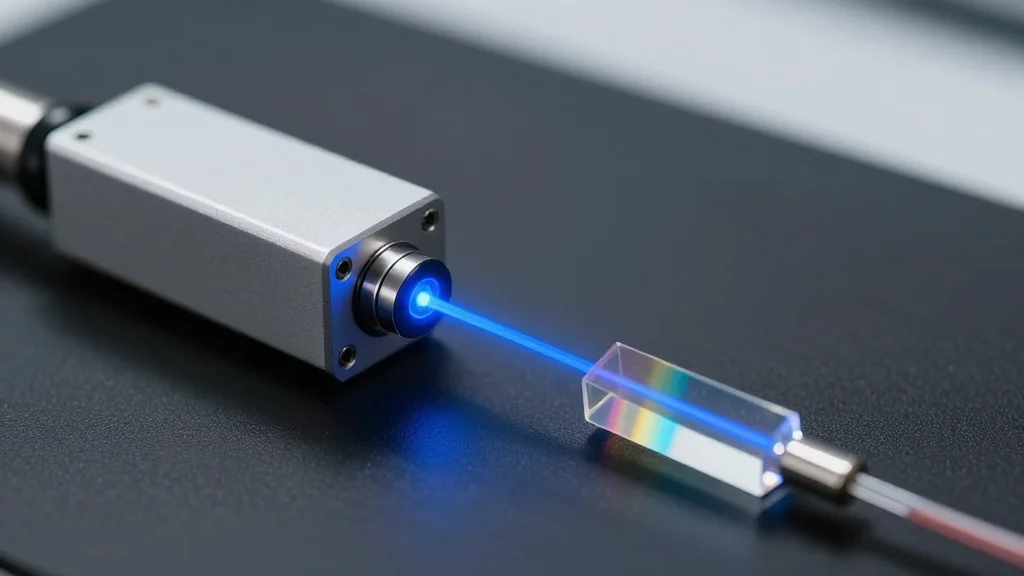
Facing US chip curbs, China launches photonics lab to power AI with light Lab director says fundamental scientific challenges need to be overcome to achieve theoretical performance https://t.co/DyOqCSSOtV via @scmpnews