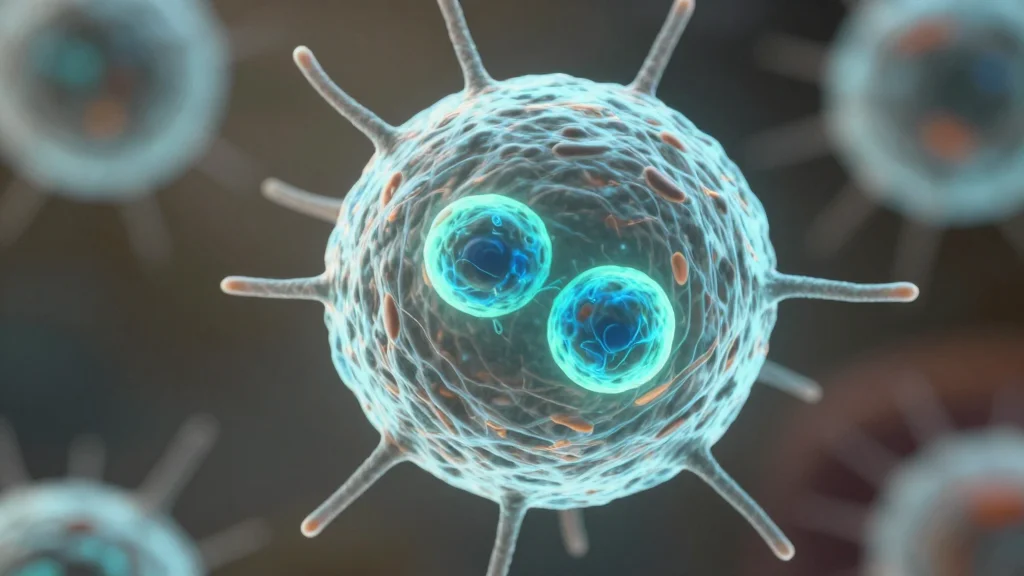
Fluorescent Probe Lights up Centrioles and Cilia in Living Cells Across Species
Why It Matters
CenSpark provides unprecedented real‑time visualization of two key organelles, accelerating studies of cell division, signaling, and disease pathways that were previously limited by inadequate imaging tools.
Key Takeaways
- •CenSpark selectively binds microtubules unique to centrioles and cilia
- •Works in human cells, CAR‑T cells, and unicellular organisms
- •Enables live‑cell super‑resolution imaging of organelle dynamics
- •Reveals centriole polarization during immune synapse formation in cancer therapy
Pulse Analysis
Centrioles and cilia are central to cellular architecture, governing division, signaling, and motility. Historically, researchers relied on generic tubulin stains that could not distinguish these structures, forcing them to fix cells and lose dynamic information. The emergence of a probe that can target the specific microtubule arrangements of centrioles and cilia addresses a long‑standing gap, allowing scientists to monitor organelle behavior in real time without compromising cell viability.
CenSpark, engineered by Pierre Gönczy’s team at EPFL, achieves this specificity through a small‑molecule scaffold that recognizes the distinct lattice geometry of centriole and ciliary microtubules. Validation across diverse models—including human retinal pigment epithelial cells, engineered CAR‑T lymphocytes, and even single‑celled algae—demonstrates its broad applicability. Live‑cell super‑resolution microscopy revealed a biphasic growth pattern of primary cilia and captured the swift reorientation of centrioles toward tumor cells during immune synapse formation, highlighting the probe’s capacity to uncover mechanistic details previously hidden.
The ability to visualize centrioles and cilia in living systems opens new avenues for biomedical research. Researchers can now dissect the timing of ciliogenesis defects linked to ciliopathies, track centrosome abnormalities in cancer, and assess how organelle dynamics influence fertility and developmental disorders. Moreover, drug discovery pipelines targeting microtubule‑related pathways stand to benefit from a reliable, high‑throughput readout. As the scientific community adopts CenSpark, it is poised to become a standard reagent that bridges basic cell biology with translational applications, accelerating breakthroughs in health and disease.
Fluorescent probe lights up centrioles and cilia in living cells across species
Comments
Want to join the conversation?
Loading comments...