The 115-Year-Old Brain That Escaped Aging: Supercentenarian Autopsy Challenges the Inevitability of Cognitive Decline
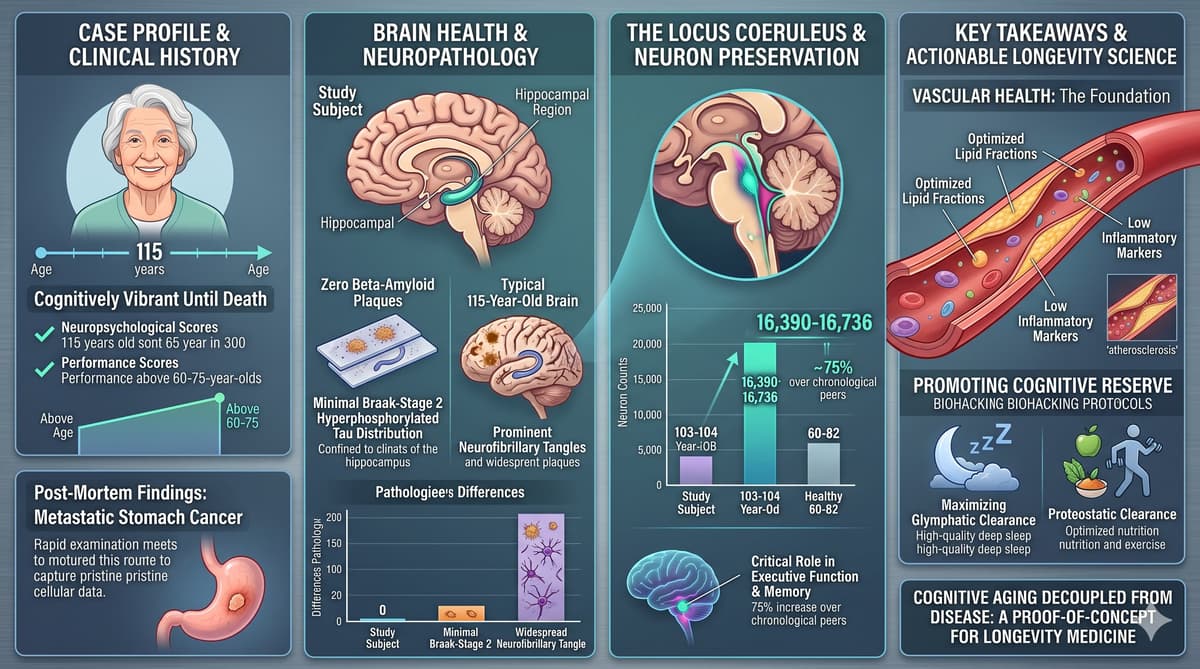
A new longitudinal analysis of 340 Dutch centenarians reveals that a baseline Mini‑Mental State Examination (MMSE) score of 26 or higher sharply separates those who maintain cognitive health from those who decline. Seventy‑three percent of the high‑scoring group preserved mental sharpness until death, and their mortality risk was 44% lower than lower‑scoring peers. Surprisingly, 18.6% of these cognitively stable centenarians carried the APOE‑e4 allele, indicating genetic resilience. Physical frailty and cardiovascular disease rates were similar across groups, suggesting the brain can age independently of the body.
The 115-Year-Old Brain That Escaped Aging: Supercentenarian Autopsy Challenges the Inevitability of Cognitive Decline
Researchers have leveraged the post‑mortem tissues of Hendrikje van Andel‑Schipper, a 115‑year‑old supercentenarian, to uncover unprecedented insights into human aging. Whole‑genome sequencing showed her blood derived from only two hematopoietic stem‑cell clones and that telomeres in blood were 17 times shorter...

Predicting and Preventing Alzheimers & Dementia (and Minimizing Risk)
Researchers now view the 40‑60 age range as a pivotal window for staving off dementia, emphasizing that habits formed in midlife can dramatically shape later cognitive health. Large‑scale studies show that staying physically active, securing seven to eight hours of...
Framework Enables Real-Time Control of Distributed Quantum Experiments
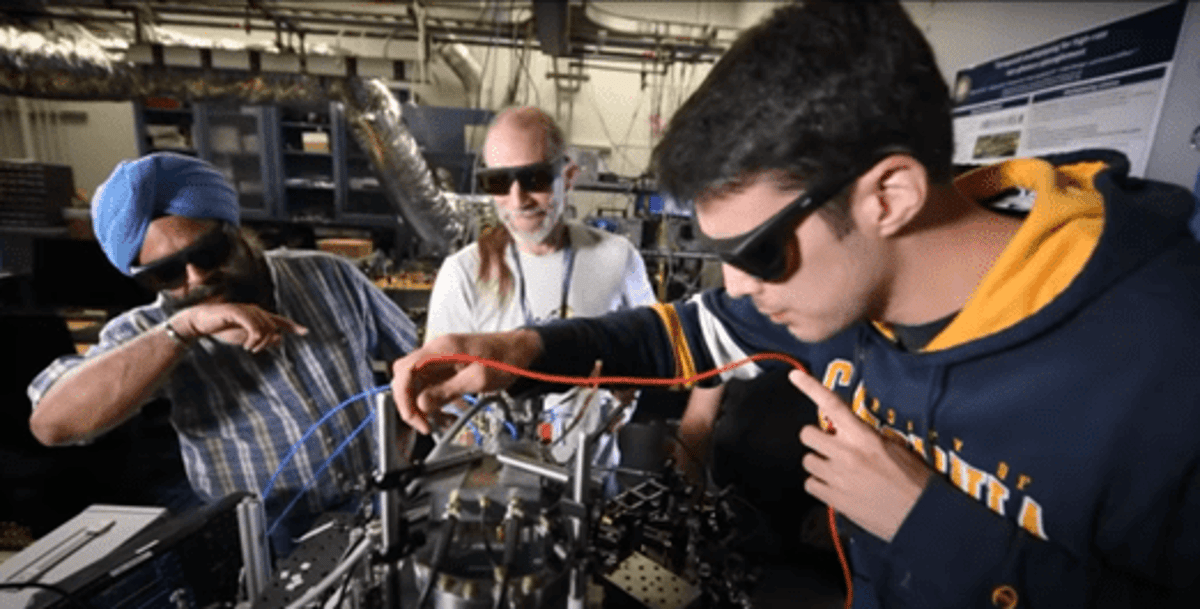
Researchers from Lawrence Berkeley National Lab, UC Berkeley, Caltech and the University of Innsbruck have unveiled a new framework that automates real‑time control of distributed quantum experiments. The system features a two‑level scheduler that distinguishes network‑wide non‑time‑critical tasks from node‑wide...
Co-Design Approach Optimizes Multinode Quantum Computer Performance
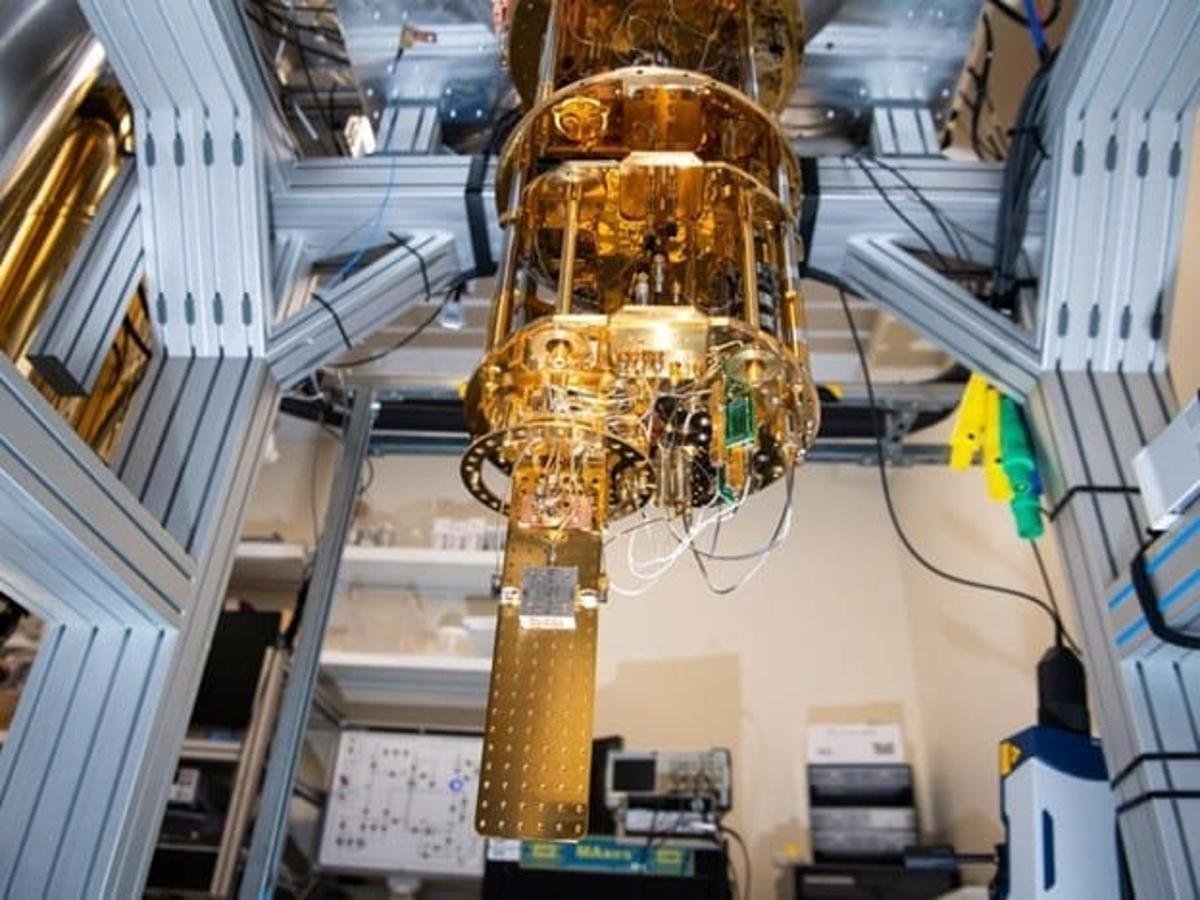
Researchers introduced the ARQUIN model to quantify performance tradeoffs in multinode superconducting quantum computers that rely on optical links between dilution‑refrigerated nodes. The study shows that even noisy quantum links can surpass classical interconnects by preserving entanglement, offering a clear...

Baxdrostat
Roche, CinCor and AstraZeneca announced that baxdrostat (Baxfendy®), the first oral selective aldosterone synthase inhibitor, received FDA approval in May 2026 for hypertension. The drug shows more than 100‑fold selectivity for CYP11B2 versus CYP11B1, overcoming a long‑standing specificity hurdle. In...

Researchers Use Counterjet to Reveal Clumpy Gas Near a Black Hole
Researchers at Shanghai Astronomical Observatory used the faint counterjet of radio galaxy 3C 84 as a backlight to map the dense ionized gas around its supermassive black hole. Dual‑frequency spectral‑index analysis revealed a clumpy, free‑free absorbing screen with electron densities of...

Alkali-Doped Zinc Oxide Enables Rare-Earth-Free Mechanoluminescence
A research team from Tohoku University and partners has created a sodium‑doped zinc oxide (ZnO) that emits bright near‑infrared light when subjected to minimal mechanical stress, achieving strong mechanoluminescence without any rare‑earth elements. The material’s crater‑like surface and engineered zinc‑vacancy...

Ballistic Electron Transport Observed in Single-Crystalline Copper Thin Films
Researchers from POSTECH, Pusan National University and Mississippi State University have experimentally demonstrated ballistic electron transport in single‑crystalline copper thin films as thin as 80 nm and 150 nm wide. The copper films, grown by Atomic Sputtering Epitaxy, exhibit a surface roughness...

Researchers Discover Piezoelectric Effect in Diamond Membranes
University of Hong Kong researchers have demonstrated a measurable piezoelectric effect in ultrathin polycrystalline diamond membranes, overturning a century‑old belief that diamond is non‑piezoelectric. Using an edge‑exfoliation technique, the team fabricated flexible diamond sheets that produce stable voltage when bent....

How New Technologies Are Impacting the Vaccine Market
Novavax’s Matrix‑M adjuvant technology is being licensed to Pfizer in a $530 million deal, aiming to cut vaccine side effects, lower production costs, and boost immune response. The partnership follows Novavax’s shift toward a technology‑driven, multi‑product engine, as CEO John Jacobs...

What Really Defeated Napoleon’s Army in 1812? Ancient DNA Reveals Surprising Adversary
During the 1812 retreat from Russia, Napoleon’s Grande Armée suffered massive losses, historically blamed on typhus. Researchers from the Pasteur Institute sequenced ancient DNA from teeth of 13 soldiers buried in Lithuania, uncovering Salmonella enterica and Borrelia recurrentis instead of...

Selective Pressure, Selective Silence
A new Nature paper by Harvard geneticist David Reich and colleagues examined ancient DNA from nearly 16,000 West Eurasians spanning the last 10,000 years. The analysis revealed that directional genetic selection is widespread and accelerating, affecting hundreds of variants tied...

The Iron Reference Misclassification: Why Standard Blood Panels Fail Precision Longevity
Standard blood panels report systemic iron markers such as serum ferritin, transferrin saturation, and total iron‑binding capacity, but these metrics only indicate extracellular iron availability, not the intracellular ferroptotic activity that drives cell death. Ferritinophagy can rapidly liberate ferrous iron,...
The Iron Reference Misclassification: Why Standard Blood Panels Fail Precision Longevity
A cross‑sectional analysis of 7,990 healthy adults from the NIH All of Us program shows that conventional iron reference intervals misclassify a large share of the population. About 31% of premenopausal women and 30% of young men fall below the...