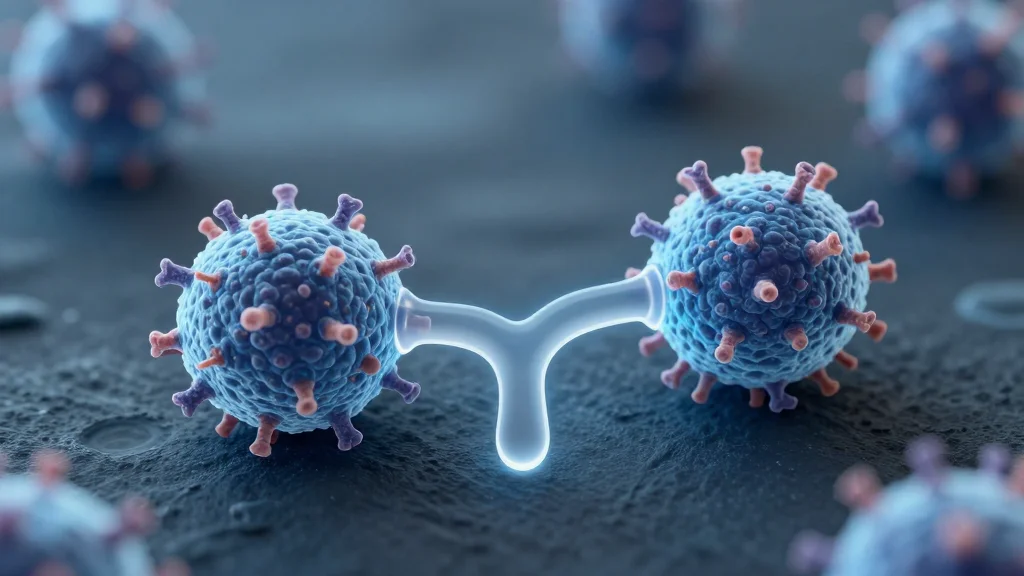
What Your CD3 T Cell Engager Is Missing

Key Takeaways
- •CD3 engagers activate T cells but lack essential co‑stimulatory signal
- •Overlooked immune mechanism involves cytokine “signal 3” for full activation
- •Adding innate immune cues can improve tumor clearance without CD28/4‑1BB
- •Current designs focus on dual antigens, missing broader immune context
- •Future engagers may integrate cytokine release or checkpoint modulation
Pulse Analysis
The rise of CD3 T‑cell engagers marks a paradigm shift in oncology, offering off‑the‑shelf bispecifics that redirect patient T cells to malignant cells. While agents such as blinatumomab have demonstrated impressive remission rates, their reliance on a single activation signal can leave T cells in a partially exhausted state. Researchers now recognize that the immune system’s three‑signal model—antigen recognition, co‑stimulation, and cytokine support—must be fully engaged to achieve durable anti‑tumor activity.
Recent pre‑clinical studies highlight the importance of “signal 3,” typically delivered by cytokines like IL‑2, IL‑12, or IL‑15, in sustaining T‑cell proliferation and cytotoxic function. Unlike traditional co‑stimulatory domains (CD28, 4‑1BB) engineered into CAR‑T cells, these cytokine cues can be provided through engineered engagers that release or recruit innate immune mediators within the tumor microenvironment. By doing so, they enhance T‑cell persistence without triggering the severe toxicities associated with systemic cytokine therapy, offering a more balanced immune activation.
The industry is responding by designing next‑generation bispecifics that embed cytokine payloads, checkpoint‑blocking motifs, or innate‑immune activators directly into the engager scaffold. Such multifunctional molecules aim to convert a simple T‑cell bridge into a comprehensive immune synapse, potentially overcoming resistance mechanisms and expanding the therapeutic window. As investors and clinicians watch these innovations, the successful integration of the missing signal could redefine efficacy benchmarks for bispecific immunotherapies, driving both clinical adoption and market growth.
What your CD3 T cell engager is missing
Comments
Want to join the conversation?