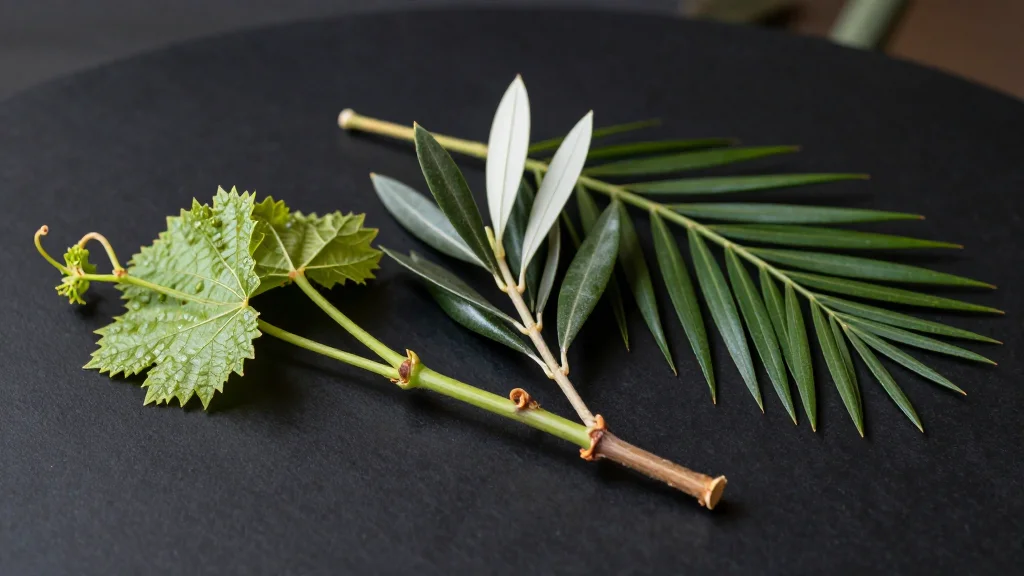
Brainfood: Clonal Crops Edition
Key Takeaways
- •4,000‑year grapevine DNA shows continuous clonal propagation since Iron Age
- •Machine‑learning accelerates olive germplasm classification from morphological data
- •Half of date palms in Morocco originate from seed, hindering conservation
- •New genebank protocols target viral infections in tropical clonal crops
- •Tissue‑culture practices risk genome degradation, threatening clonal stability
Pulse Analysis
The story of clonal crops stretches back millennia, with recent ancient‑DNA work confirming that French grapevines have been vegetatively propagated for at least 4,000 years. This continuity illustrates how early societies leveraged clonal techniques to lock in desirable traits, creating a genetic legacy that modern viticulture still depends on. Understanding that deep historical context helps breeders appreciate the long‑term stability—and potential vulnerabilities—embedded in these lineages.
Today, cutting‑edge phenotyping and artificial intelligence are reshaping how we manage clonal diversity. Researchers applied high‑throughput morphological imaging and machine‑learning algorithms to classify olive germplasm, dramatically reducing the time required to identify elite varieties. Meanwhile, a surprising discovery in Morocco shows that about 50 % of date palms in the middle Draa region arise from seed, introducing genetic variability that complicates traditional clonal conservation strategies. These insights compel growers and genebanks to blend clonal and seed‑derived approaches to preserve both uniformity and adaptability.
Genebank stewardship faces two pressing threats: viral pathogens and genome instability during tissue culture. New protocols employing rapid diagnostics and quarantine measures are curbing the spread of viruses in tropical clonal crops, protecting valuable germplasm collections. Simultaneously, studies on genome degradation in plant tissue culture reveal that prolonged in‑vitro propagation can erode genetic fidelity, jeopardizing the very traits that clonal propagation aims to preserve. Together, these advances underscore a pivotal shift toward integrated, science‑driven management of clonal crops, ensuring their economic and nutritional contributions endure for future generations.
Brainfood: Clonal crops edition
Comments
Want to join the conversation?