
Chad Rigetti, The Mind Behind One Of The Early Quantum Innovations
Chad Rigetti, the Yale‑trained physicist who founded Rigetti Computing, built one of the first full‑stack superconducting quantum computers and took the company public, giving investors a direct stake in quantum hardware. After stepping down as CEO in 2022, he joined Ground State Ventures, which closed a €88 million (~$96 million) fund to back early‑stage quantum startups. He now leads Sygaldry Technologies, which raised $139 million to develop quantum chips aimed at accelerating artificial‑intelligence workloads. Rigetti’s dual role as founder‑engineer and venture backer positions him at the nexus of quantum hardware innovation and capital allocation.
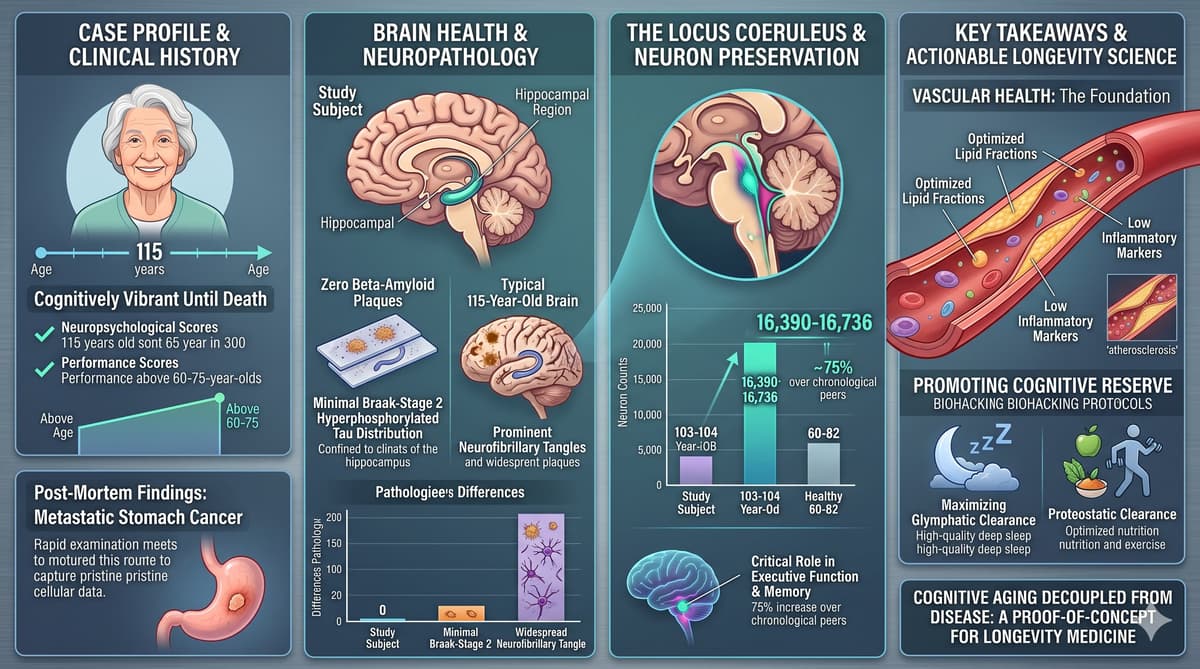
The 115-Year-Old Brain That Escaped Aging: Supercentenarian Autopsy Challenges the Inevitability of Cognitive Decline
A new longitudinal analysis of 340 Dutch centenarians reveals that a baseline Mini‑Mental State Examination (MMSE) score of 26 or higher sharply separates those who maintain cognitive health from those who decline. Seventy‑three percent of the high‑scoring group preserved mental...
The 115-Year-Old Brain That Escaped Aging: Supercentenarian Autopsy Challenges the Inevitability of Cognitive Decline
Researchers have leveraged the post‑mortem tissues of Hendrikje van Andel‑Schipper, a 115‑year‑old supercentenarian, to uncover unprecedented insights into human aging. Whole‑genome sequencing showed her blood derived from only two hematopoietic stem‑cell clones and that telomeres in blood were 17 times shorter...

Predicting and Preventing Alzheimers & Dementia (and Minimizing Risk)
Researchers now view the 40‑60 age range as a pivotal window for staving off dementia, emphasizing that habits formed in midlife can dramatically shape later cognitive health. Large‑scale studies show that staying physically active, securing seven to eight hours of...
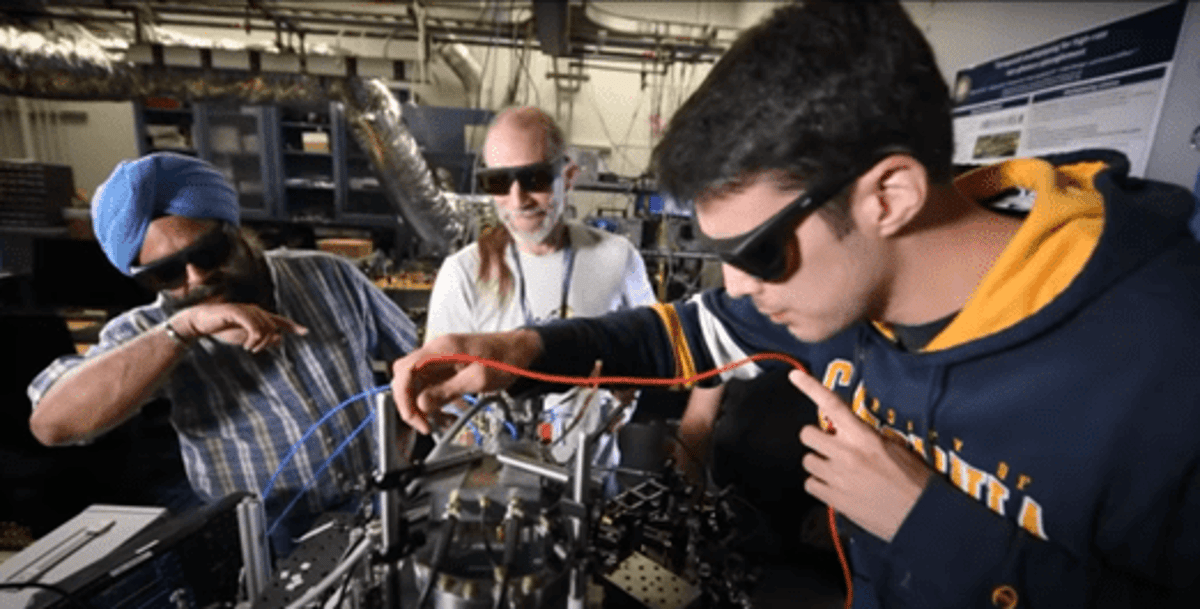
Framework Enables Real-Time Control of Distributed Quantum Experiments
Researchers from Lawrence Berkeley National Lab, UC Berkeley, Caltech and the University of Innsbruck have unveiled a new framework that automates real‑time control of distributed quantum experiments. The system features a two‑level scheduler that distinguishes network‑wide non‑time‑critical tasks from node‑wide...
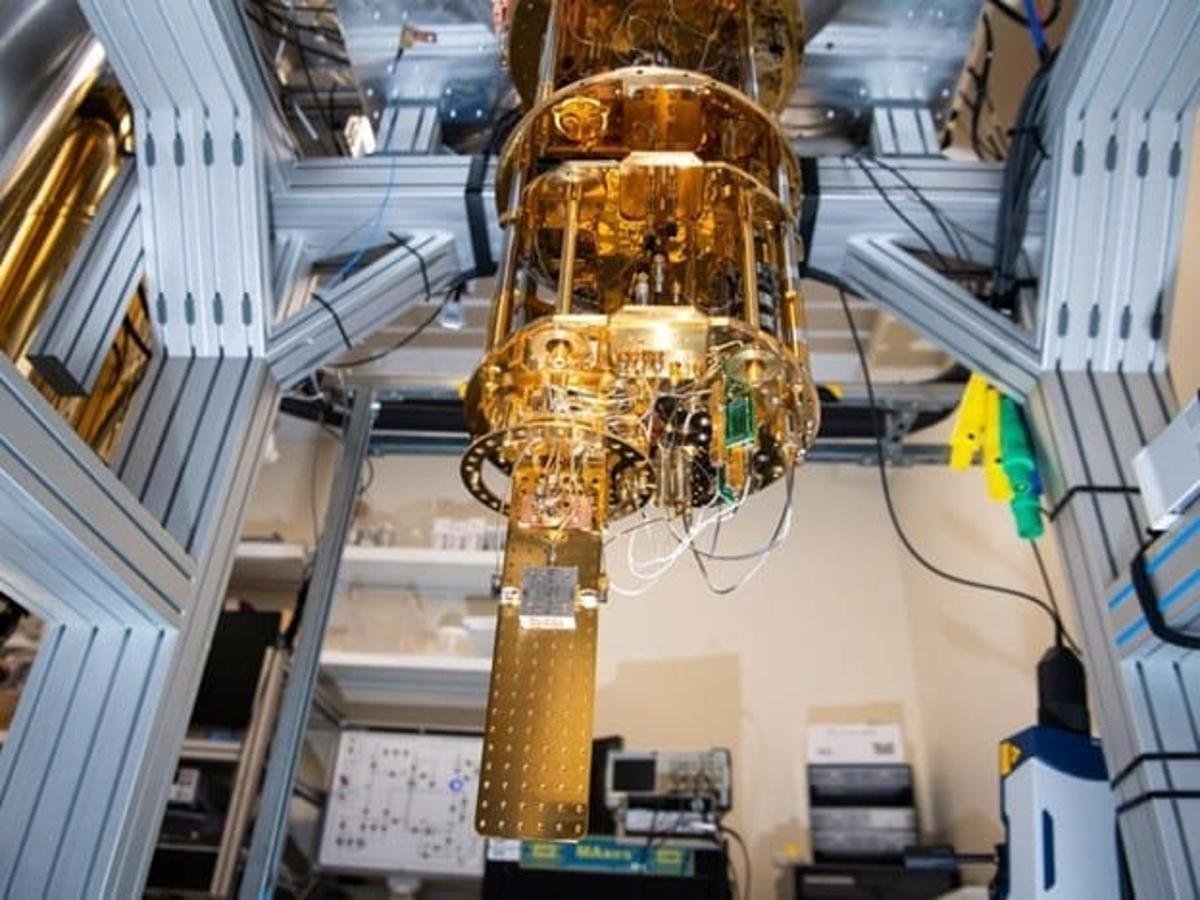
Co-Design Approach Optimizes Multinode Quantum Computer Performance
Researchers introduced the ARQUIN model to quantify performance tradeoffs in multinode superconducting quantum computers that rely on optical links between dilution‑refrigerated nodes. The study shows that even noisy quantum links can surpass classical interconnects by preserving entanglement, offering a clear...

Testosterone and Aging: What the Research Shows
Testosterone levels begin a gradual decline in men’s mid‑30s to 40s, with total testosterone falling about 0.4 % per year and free testosterone dropping roughly three times faster. The drop is driven by age‑related changes in the hypothalamic‑pituitary‑gonadal axis, Leydig cell...

Argonne Supercomputer Reveals Pion Structure in Unprecedented 3D Detail
Researchers at Argonne National Laboratory used the Polaris supercomputer to produce the first high‑resolution 3D images of a pion’s internal quark structure. The simulations, based on lattice quantum chromodynamics, revealed how quarks are distributed both longitudinally and transversely within the...

Baxdrostat
Roche, CinCor and AstraZeneca announced that baxdrostat (Baxfendy®), the first oral selective aldosterone synthase inhibitor, received FDA approval in May 2026 for hypertension. The drug shows more than 100‑fold selectivity for CYP11B2 versus CYP11B1, overcoming a long‑standing specificity hurdle. In...

Researchers Use Counterjet to Reveal Clumpy Gas Near a Black Hole
Researchers at Shanghai Astronomical Observatory used the faint counterjet of radio galaxy 3C 84 as a backlight to map the dense ionized gas around its supermassive black hole. Dual‑frequency spectral‑index analysis revealed a clumpy, free‑free absorbing screen with electron densities of...

Alkali-Doped Zinc Oxide Enables Rare-Earth-Free Mechanoluminescence
A research team from Tohoku University and partners has created a sodium‑doped zinc oxide (ZnO) that emits bright near‑infrared light when subjected to minimal mechanical stress, achieving strong mechanoluminescence without any rare‑earth elements. The material’s crater‑like surface and engineered zinc‑vacancy...

Ballistic Electron Transport Observed in Single-Crystalline Copper Thin Films
Researchers from POSTECH, Pusan National University and Mississippi State University have experimentally demonstrated ballistic electron transport in single‑crystalline copper thin films as thin as 80 nm and 150 nm wide. The copper films, grown by Atomic Sputtering Epitaxy, exhibit a surface roughness...

Researchers Discover Piezoelectric Effect in Diamond Membranes
University of Hong Kong researchers have demonstrated a measurable piezoelectric effect in ultrathin polycrystalline diamond membranes, overturning a century‑old belief that diamond is non‑piezoelectric. Using an edge‑exfoliation technique, the team fabricated flexible diamond sheets that produce stable voltage when bent....

How New Technologies Are Impacting the Vaccine Market
Novavax’s Matrix‑M adjuvant technology is being licensed to Pfizer in a $530 million deal, aiming to cut vaccine side effects, lower production costs, and boost immune response. The partnership follows Novavax’s shift toward a technology‑driven, multi‑product engine, as CEO John Jacobs...

What Really Defeated Napoleon’s Army in 1812? Ancient DNA Reveals Surprising Adversary
During the 1812 retreat from Russia, Napoleon’s Grande Armée suffered massive losses, historically blamed on typhus. Researchers from the Pasteur Institute sequenced ancient DNA from teeth of 13 soldiers buried in Lithuania, uncovering Salmonella enterica and Borrelia recurrentis instead of...

Selective Pressure, Selective Silence
A new Nature paper by Harvard geneticist David Reich and colleagues examined ancient DNA from nearly 16,000 West Eurasians spanning the last 10,000 years. The analysis revealed that directional genetic selection is widespread and accelerating, affecting hundreds of variants tied...

The Iron Reference Misclassification: Why Standard Blood Panels Fail Precision Longevity
Standard blood panels report systemic iron markers such as serum ferritin, transferrin saturation, and total iron‑binding capacity, but these metrics only indicate extracellular iron availability, not the intracellular ferroptotic activity that drives cell death. Ferritinophagy can rapidly liberate ferrous iron,...
The Iron Reference Misclassification: Why Standard Blood Panels Fail Precision Longevity
A cross‑sectional analysis of 7,990 healthy adults from the NIH All of Us program shows that conventional iron reference intervals misclassify a large share of the population. About 31% of premenopausal women and 30% of young men fall below the...
The Longevity Tax: Why Women's Extended Lifespan Mandates More Years in Ill Health
A new European Journal of Epidemiology study resolves the long‑standing morbidity‑mortality paradox by showing that women’s higher share of unhealthy years stems primarily from their greater longevity, not faster biological decay. Analyzing data from 22 European nations using three statistical...
Rusting the Neurogenic Reserve: Ferroptosis as the Hidden Rheostat of Brain Aging
Researchers led by Zhang et al. (2026) identified ferroptosis as a key regulator of adult hippocampal neurogenesis, showing that iron‑dependent lipid peroxidation disproportionately eliminates quiescent neural stem cells and intermediate progenitors. Aging disrupts the balance between ferroptosis‑inducing and protective genes,...
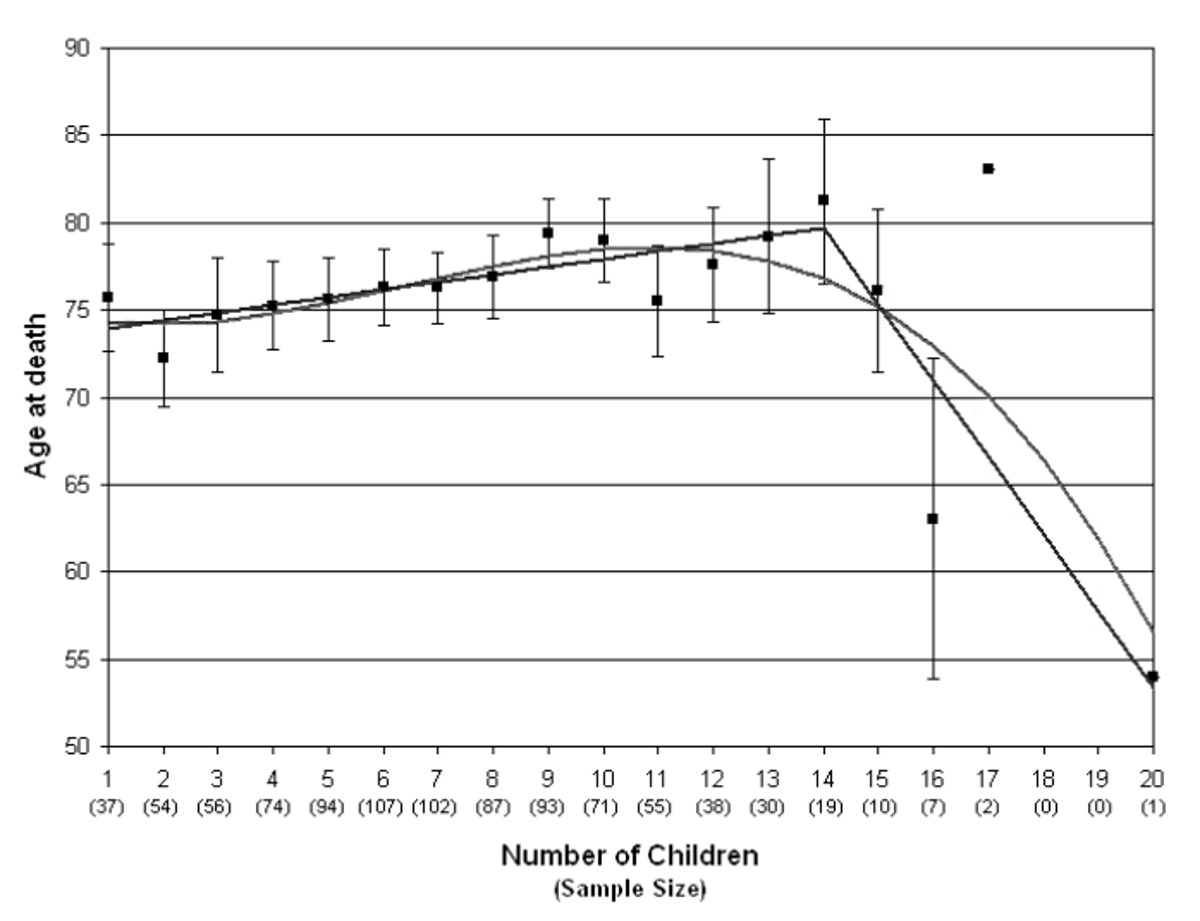
Does Having Children Extend Life Span? A Genealogical Study of Parity and Longevity in the Amish
A genealogical analysis of 2,015 Old Order Amish individuals born between 1749 and 1912 found a linear increase in lifespan with each additional child—0.23 years for fathers and 0.32 years for mothers up to 14 offspring. Women who exceeded 14...

Fewer Qubits Unlock More Powerful Simulations of Crystalline Materials
Researchers at the London Centre for Nanotechnology have introduced periodic symmetry‑adapted encoding (SAE), a technique that exploits crystal symmetries to shrink the qubit footprint of electronic‑structure simulations. Across ten benchmark solids—including diamond, silicon and magnesium fluoride—the method trims 4 to...
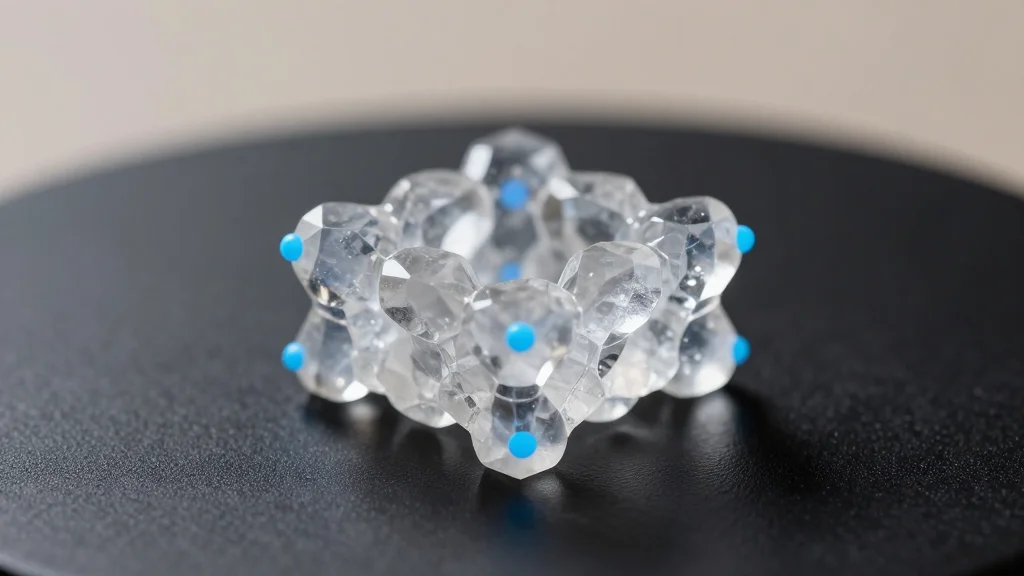
On the Trail of the Missing Hydrogen Atoms
A team led by Giovanni Pizzi has unveiled XtalPaint, an AI‑driven diffusion‑inpainting tool that reconstructs missing hydrogen atoms in crystal structures. Built on Microsoft’s MatterGen, the model restores hydrogen positions with an 87% exact‑match rate and a 97% overall success...

Big Bang Inside a Star: How a Gravastar Forms
Physicists Daniel Jampolski and Luciano Rezzolla have presented the first dynamic solution to Einstein’s field equations that describes how a collapsing massive star could give rise to a gravastar instead of a black hole. The model predicts that, at the...

AI Fast-Forwards Molecular Simulations by 10 000-Fold
Researchers at Chalmers University and the University of Gothenburg have unveiled TITO, an AI‑driven generative model that accelerates molecular dynamics simulations by more than 10,000‑fold. The model learns underlying atomic motions from short‑time‑step data and can extrapolate to nanosecond‑scale behavior...

800× Better Logical Qubits Demonstrated on Quantinuum Hardware And Now Published In Nature
Quantinuum announced that its commercial System Model H2 achieved logical qubits that are 800 times more reliable than the underlying physical qubits, a breakthrough published in Nature in June 2026. The company demonstrated high‑fidelity logical‑qubit teleportation, a tenfold extension of qubit lifetimes...

Complexifying the Complex
The article examines how Wick rotation in two‑dimensional conformal field theory (CFT) forces a second‑level complexification of objects that are already complex. By treating real vector spaces with an intrinsic complex structure, the author shows that their complexification yields a...

The Physics of Interstellar Travel
Coryn Bailer‑Jones’s new textbook *The Physics of Interstellar Travel* addresses a long‑standing gap in higher‑education by delivering the first college‑level treatment of star‑flight physics. The book surveys the surge of interest sparked by initiatives such as NASA’s 100‑Year Starship and...

‘Brain-Free’ Robots that Move in Synchronization, Powered Entirely by Air
University of Oxford researchers have unveiled a new class of soft robots that operate solely on air pressure, eliminating the need for electronics, motors, or onboard computers. The modular fluidic units act as actuators, sensors, and valves, enabling tabletop robots...

Cloudy Mornings and Clear Evenings
Researchers have used transit spectroscopy to compare the morning and evening sides of the tidally‑locked gas giant WASP‑94A b. The observations reveal thick cloud decks on the planet’s nightside that dissipate as the region rotates into daylight. This spectral asymmetry provides...

Light-Induced Drag Reveals New Way to Control Nanoscale Motion
Researchers at Ruhr University Bochum have demonstrated that illuminating fluorescent carbon nanotubes in water creates a measurable drag, slowing their diffusion. The effect, termed light‑induced quantum friction, scales with light intensity and originates from exciton‑water dipole coupling. Experiments using terahertz...

Newly Synthesized Fullerene Material Remains Metallic Even Under Low Temperatures
An international team led by Osaka Metropolitan University has synthesized a new fulleride, Yb₂CsC₆₀, that remains metallic even at the lowest temperatures tested. The material’s single‑hole p‑orbital configuration defies the expected Mott metal‑insulator transition despite strong electron‑electron correlations. Researchers attribute...

The Most Interesting Number in Tango’s Data Isn’t 92%
Biotech firm Tango reported a striking 92% response rate in its latest pancreatic cancer trial, a figure that dwarfs the single‑digit response rates historically seen in the disease. However, a deeper look at the data reveals that the most compelling...

3D Brain Simulations Reveal How Learning Is Regulated on a Cellular Level
Scientists at the Salk Institute have used 3D electron‑microscopy reconstructions and computer simulations to measure changes in synaptic vesicle density during long‑term potentiation (LTP). The study, published in PNAS on May 26, 2026, shows that vesicle density decreases and vesicle mobility increases...
Viewpoint: Why Gene-Editing Babies Is Moral and Certain to Happen
The article argues that editing embryos to remove severe single‑gene diseases is both moral and inevitable. Origin Genomics founder Cathy Tie emphasizes a disease‑only focus while acknowledging the technology isn’t yet ready for enhancement. A public debate with Harvard bioethicist...

Reuters Climate Monitor
The Reuters Climate Monitor dashboard delivers real‑time temperature anomaly maps by comparing today’s forecasted highs with historical normals derived from the ERA5 reanalysis dataset (1961‑1990). Normals are calculated using a 31‑day rolling window for roughly one million global grid squares,...

CGAS-STING Signaling in Neuroinflammation
Recent research highlights the overactivation of the cGAS‑STING pathway as a central driver of neuroinflammation in aging brains. Mitochondrial dysfunction releases DNA fragments into the cytosol, chronically stimulating cGAS and downstream interferon signaling. Preclinical studies show that small‑molecule inhibitors and...

The Genesis Mission, AI-Driven Science, & America's Race to Innovate
The Department of Energy’s Genesis Mission is a multi‑year effort to embed artificial intelligence across national laboratories, aiming to shrink scientific discovery cycles from decades to a few years. By aggregating massive datasets and deploying advanced machine‑learning models, the initiative...
Alcohol Consumption
A series of recent studies reveal that paternal alcohol use before conception can damage offspring mitochondria, accelerating biological aging. Acute binge drinking—four drinks for women or five for men in two hours—disrupts the gut lining by prompting neutrophils to release...

Predicta Biosciences and CIMA LAB Diagnostics Announce Agreement to Advance Ultrasensitive Blood-Based Diagnostics for Multiple Myeloma and Other Hematological Malignancies
Predicta Biosciences and CIMA LAB Diagnostics have formed a partnership to deliver a combined service that merges CIMA LAB’s flow cytometry expertise with Predicta’s GenoPredicta ultra‑sensitive assay. The offering will be marketed to academic institutions and biopharma partners throughout Spain...

Linerixibat
Linerixibat (brand name Lynavoy®), an oral ASBT/IBAT inhibitor, received FDA approval in March 2026 for treating cholestatic pruritus in patients with primary biliary cholangitis (PBC). The drug works by blocking ileal bile‑acid reuptake, addressing the bile‑acid dysregulation that drives severe itching....
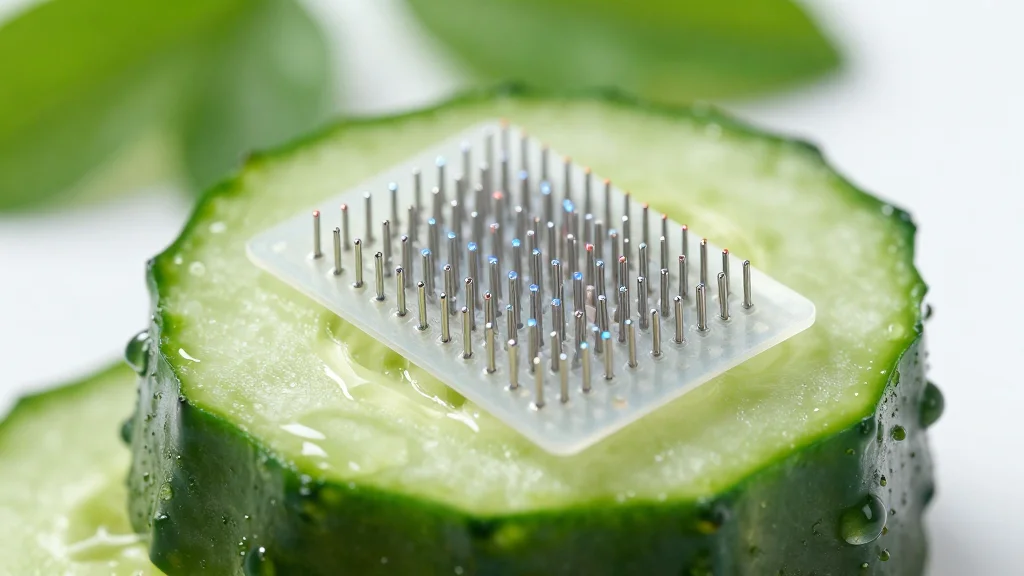
Nanosensor Patches Detect Fungal Toxin Before Plants Show Disease
Researchers have created a microneedle patch embedding carbon‑dot‑laden zinc‑based metal‑organic frameworks that emit blue and red fluorescence to sense fusaric acid, the toxin released by Fusarium fungi. The dual‑emissive nanosensor measures the blue‑to‑red intensity ratio directly in plant tissue, delivering...

New Iron–Scandium Catalyst Extends Carbon Nanotube Growth at High Temperatures
Researchers at Kindai University discovered that adding scandium to iron catalysts dramatically prolongs catalyst activity during carbon nanotube (CNT) synthesis, especially at 900 °C. The Fe‑Sc binary system kept the catalyst alive for about 18 minutes, more than double the lifespan...

Once Overlooked mRNA Tail Guides Regulatory Protein Folding
Memorial Sloan Kettering researchers have uncovered that the 3′ untranslated region (3′UTR) of messenger RNA functions as a molecular chaperone, guiding the proper folding of thousands of regulatory proteins. By physically binding to intrinsically disordered regions, the RNA tail prevents...

Study Reveals Growth Spurt of Massive Stars in Extreme Galactic Center
Astronomers using ALMA have captured a massive early O‑type protostar, G359.44‑0.102, embedded in a Keplerian accretion disk within the Sagittarius C cloud of the Central Molecular Zone. The study, published in The Astrophysical Journal, shows that the protostar is fed by...

Products of Transfer RNA Cleavage Are Essential for Stress Response Slowing of Aging
Researchers identified the ribonuclease DIS-3/DIS3 as the enzyme that cleaves transfer RNAs into halves, or tRNA‑derived fragments, which trigger stress‑response pathways that extend lifespan. In Caenorhabditis elegans, the fragment 5′‑tRH‑Gln was shown to be essential for longevity under dietary restriction,...

Inventing a Cell Line: We Talk All Things HEK293 Cells with Their Creator Frank Graham
In 1973 Frank Graham, working with Alex van der Eb, created the HEK293 cell line using a novel calcium‑phosphate transfection method to introduce adenovirus 5 DNA into human embryonic kidney cells. The breakthrough—born from the 293rd experimental attempt—proved the cells’ remarkable ability to...

Study Probes 3D Printed Gyroid Implants For Bone
A recent study in Frontiers in Dental Medicine evaluates 3D‑printed titanium gyroid implants, focusing on their mechanical strength and biological response. The gyroid’s triply periodic minimal surface provides bone‑like elasticity while maintaining high compressive strength and interconnected porosity for tissue...

Cleaning Our Brains During Deep Sleep
Recent research highlights the glymphatic system as a brain‑wide clearance pathway that peaks during non‑REM deep sleep. Cellular shrinkage and reduced norepinephrine during slow‑wave sleep expand interstitial space, allowing cerebrospinal fluid to flush metabolic waste such as amyloid‑beta and tau....

New Tool to Help Build More Reliable DNA Nanostructures
Scientists at Newcastle University have unveiled a computational tool that selects DNA scaffold sequences to minimize off‑target interactions during DNA origami assembly. Laboratory tests showed that optimized sequences dramatically increase folding yields for both flat (2D) and three‑dimensional (3D) nanostructures....