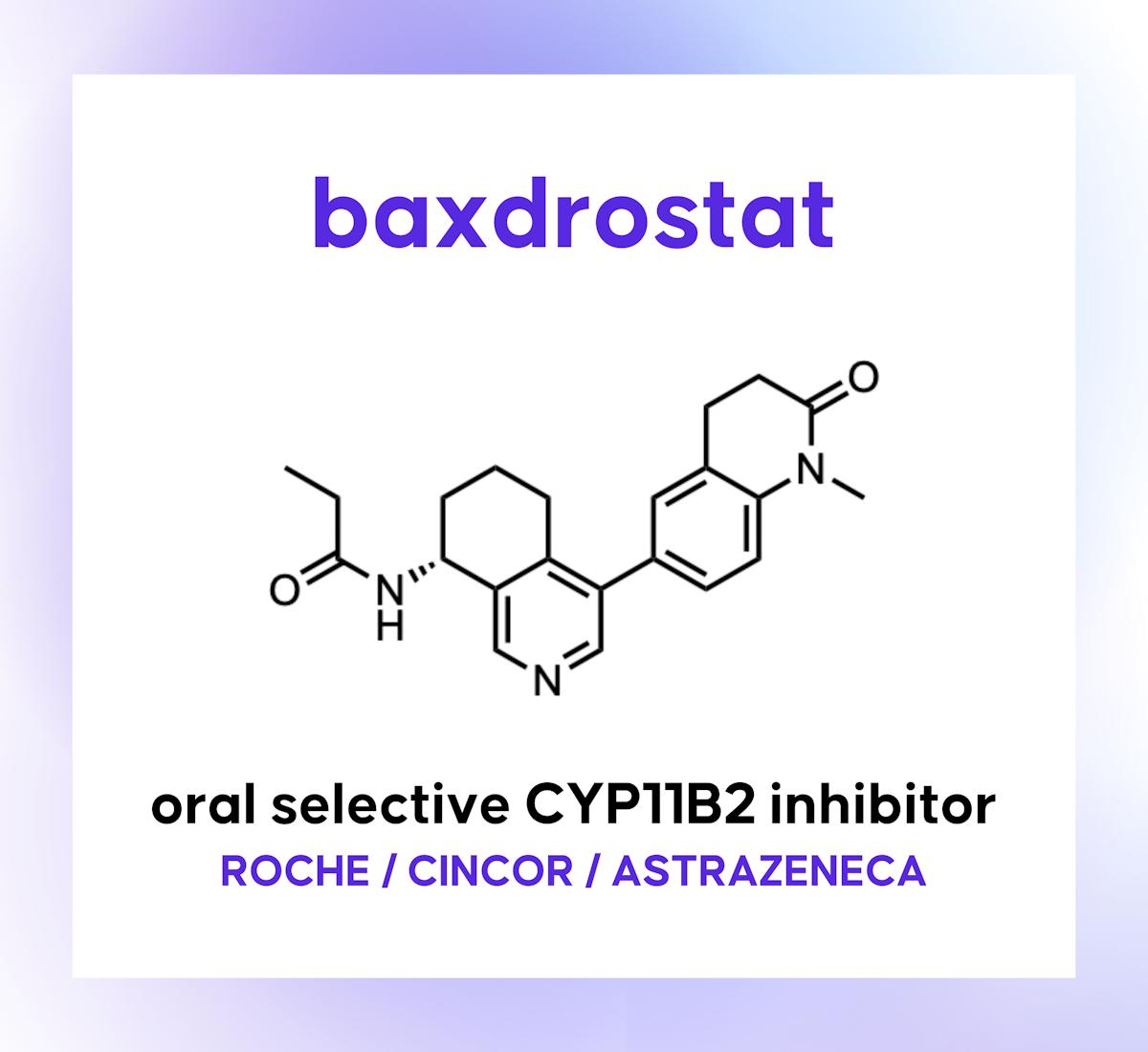

Key Takeaways
- •Baxdrostat FDA‑approved May 2026 for hypertension
- • >100‑fold selectivity for CYP11B2 over CYP11B1
- •Phase 3 BaxHTN trial met primary and secondary blood‑pressure endpoints
- •Low 1 mg and 2 mg doses achieved meaningful BP reduction
- •Phase 3 studies ongoing for chronic kidney disease and heart failure
Pulse Analysis
The renin‑angiotensin‑aldosterone system has long been a cornerstone of hypertension therapy, yet direct inhibition of aldosterone synthesis remained elusive because earlier compounds lacked the necessary enzyme selectivity. Aldosterone synthase (CYP11B2) catalyzes the final steps of aldosterone production, and off‑target inhibition of the related CYP11B1 enzyme can trigger cortisol disturbances. Baxdrostat, developed through a collaborative effort by Roche, CinCor and AstraZeneca, achieves more than a 100‑fold preference for CYP11B2, finally delivering a clean pharmacologic profile that addresses this historic obstacle.
The Phase 3 BaxHTN trial enrolled patients with uncontrolled hypertension despite standard therapy and tested once‑daily oral doses of 1 mg and 2 mg. Both regimens produced statistically significant reductions in systolic and diastolic blood pressure, surpassing the predefined primary endpoint and confirming the drug’s efficacy at the lowest dose levels tested. Safety data showed a low incidence of adverse events, and the high selectivity minimized cortisol‑related side effects, positioning baxdrostat as a compelling alternative to mineralocorticoid receptor antagonists and ACE inhibitors.
Beyond hypertension, baxdrostat is now in Phase 3 programs targeting chronic kidney disease and heart failure, conditions where aldosterone excess drives fibrosis and adverse remodeling. If these trials succeed, the molecule could capture a sizable share of the cardiovascular‑renal market, challenging established players such as spironolactone and eplerenone. The FDA approval also signals regulatory confidence in novel endocrine‑targeted agents, likely encouraging further investment in selective CYP11B2 inhibitors and expanding therapeutic options for patients with resistant hypertension and related organ damage.
baxdrostat
Comments
Want to join the conversation?