Dezawa MuseCells® Explained: The Next Generation of Regenerative Medicine?
The Longevity Technology Unlocked podcast featured Dr. Dominic Ducher and Dr. Jeffrey Waguer of MuseCell Innovations discussing Dezawa MuseCells®, a naturally occurring stem‑cell subpopulation discovered by Professor Mari Dazawa. They framed MuseCells as an "elite squad of troopers" that can be harvested, enriched, and delivered off‑the‑shelf for therapeutic and aesthetic applications. Key scientific differentiators were highlighted: MuseCells exhibit true pluripotent potency, differentiating into any of the three germ layers; they possess a built‑in homing mechanism that follows sphingosine‑1‑phosphate (S1P) gradients to locate damaged tissue; and they display low immunogenicity, allowing allogeneic use with minimal immune activation. The executives compared the manufacturing process to wine vintages, emphasizing batch‑to‑batch variability and the need for stringent quality control. Notable quotes underscored the novelty: "They’re an elite squad of repair troopers," "MuseCells have a built‑in GPS system," and "the only system‑wide regenerative agent in the biologic space." The conversation also touched on early human trials showing MuseCells migrating to injured heart, brain, or skin tissue and differentiating in situ. The implications are significant: if manufacturing consistency can be achieved and regulatory frameworks adapt to prioritize process quality, MuseCells could become a scalable, off‑the‑shelf regenerative therapy, potentially reshaping the stem‑cell market and offering new options for conditions ranging from stroke to cosmetic rejuvenation.
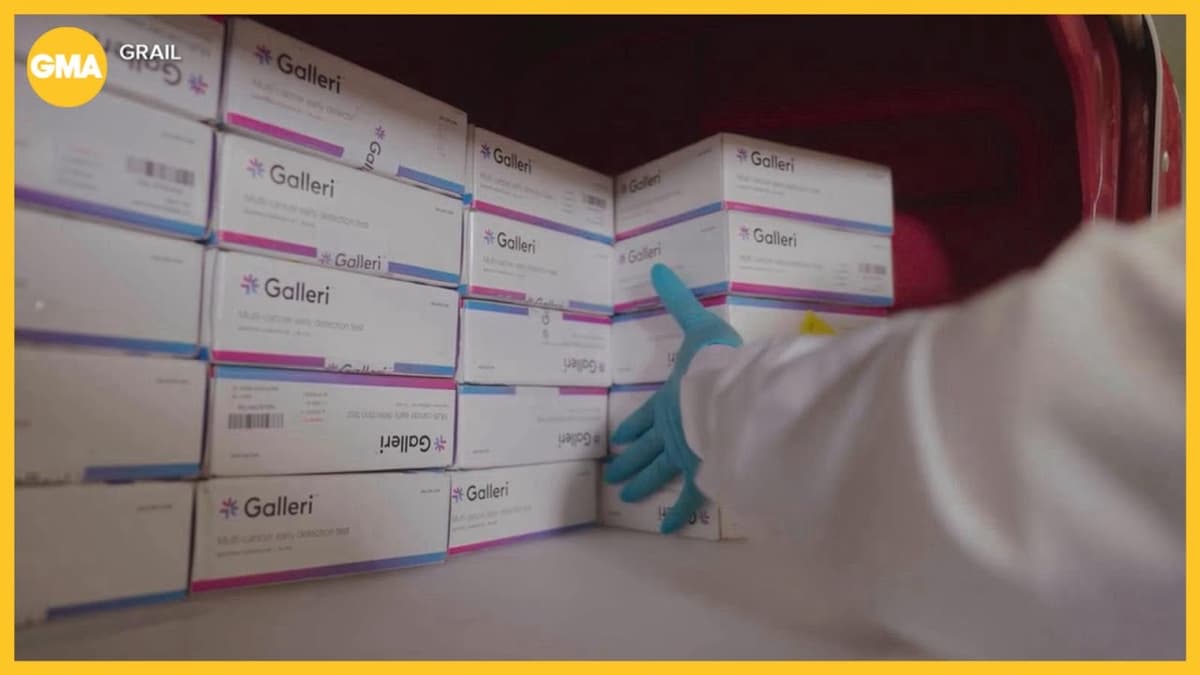
Latest Tool in the Fight Against Cancer May Be a New Blood Test
The video discusses Galleri, a blood‑based multi‑cancer early‑detection test developed by Grail, which aims to identify several cancer types from a single draw in people without symptoms. The conversation highlights a large observational study of more than 140,000 adults over...
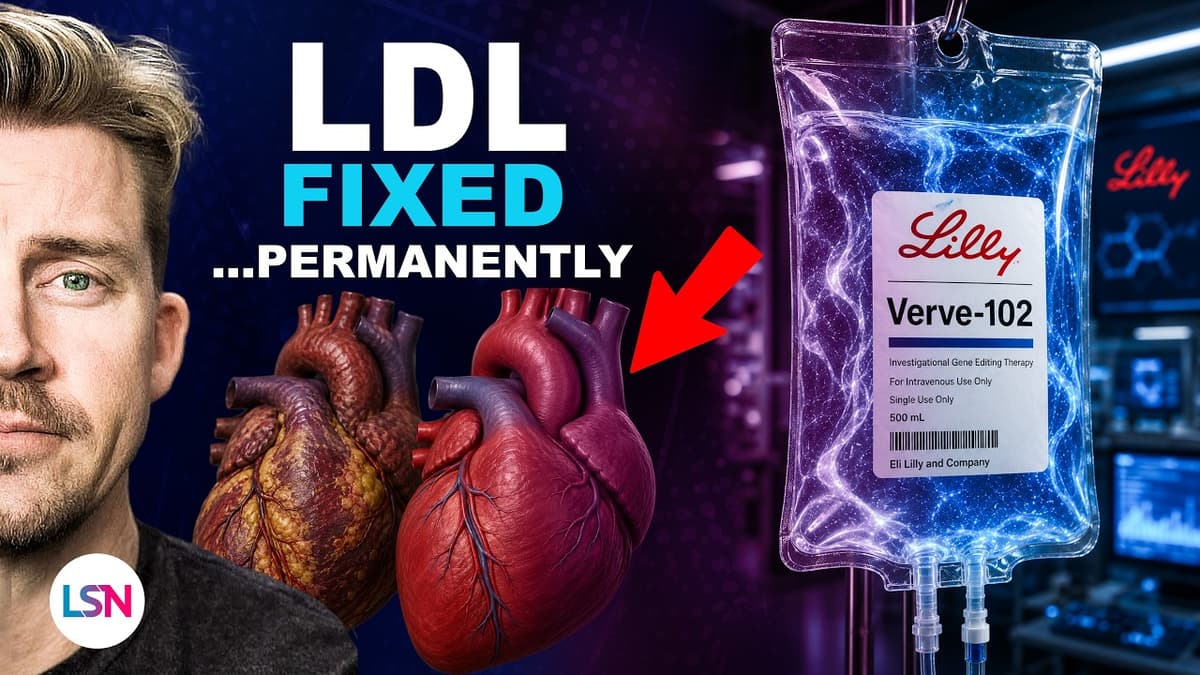
How Eli Lilly LDL Therapy VERVE 102 Could End Heart Disease
Eli Lilly’s Verve 102 gene‑editing therapy aims to eradicate high LDL cholesterol with a single intravenous infusion, targeting the PCSK9 gene in liver cells. The phase‑1 trial involved 35 participants, many already on high‑intensity statins, and achieved an average 62% drop in...

China Said Yes When the FDA Said No. Now Brain Computers Are Here.
The Chinese government unveiled a 17‑step roadmap and a $1.7 billion industry fund to dominate the brain‑computer interface (BCI) market by 2030, culminating in the world’s first commercial BCI approval granted by the National Medical Products Administration (NMPA) in March. The plan...

2026 Cell Types Workshop/ Genetic Tools Atlas
The video introduces the Viral Genetic Tools team’s effort to build a Genetic Tools Atlas that gives researchers viral enhancers to access specific brain cell types. They explain how cell‑type specific gene expression arises from distal enhancers; using ATAC‑seq they map...

Is Psychedelic Therapy Ready for FDA Approval?
The conversation with UCSF neuroscientist Robin Carhart‑Harris examines whether psychedelic‑assisted therapies are poised for FDA approval. He frames the treatment as a combination of a drug that opens a "plastic" mental state and a carefully managed therapeutic context that must...
A Man with Terminal Glioblastoma Was Given 12–15 Months to Live.
The video follows a man diagnosed with terminal glioblastoma, given a 12‑15‑month prognosis, who is now on his fourth dose of Anktiva and whose latest MRI returned a normal result. Dr. Patrick Soon‑Shiong, the billionaire surgeon who created the drug,...

The Brain Chip That Lets Paralyzed People Grip Again
The video spotlights a coin‑size neural implant designed to restore hand function for individuals with spinal‑cord injuries. Placed just above the brain’s membrane, the chip captures cortical impulses, converts them into digital commands, and drives a robotic glove that can...
Peer AI - Medical Writing Platform for FDA Submissions - Life Sciences Today Podcast Episode 63
The Life Sciences Today podcast featured Anita Modi, founder and CEO of Pure AI, unveiling the company’s AI‑driven platform that automates the creation and management of FDA regulatory documents. After starting as a medical‑writing drafting tool, Pure AI now...
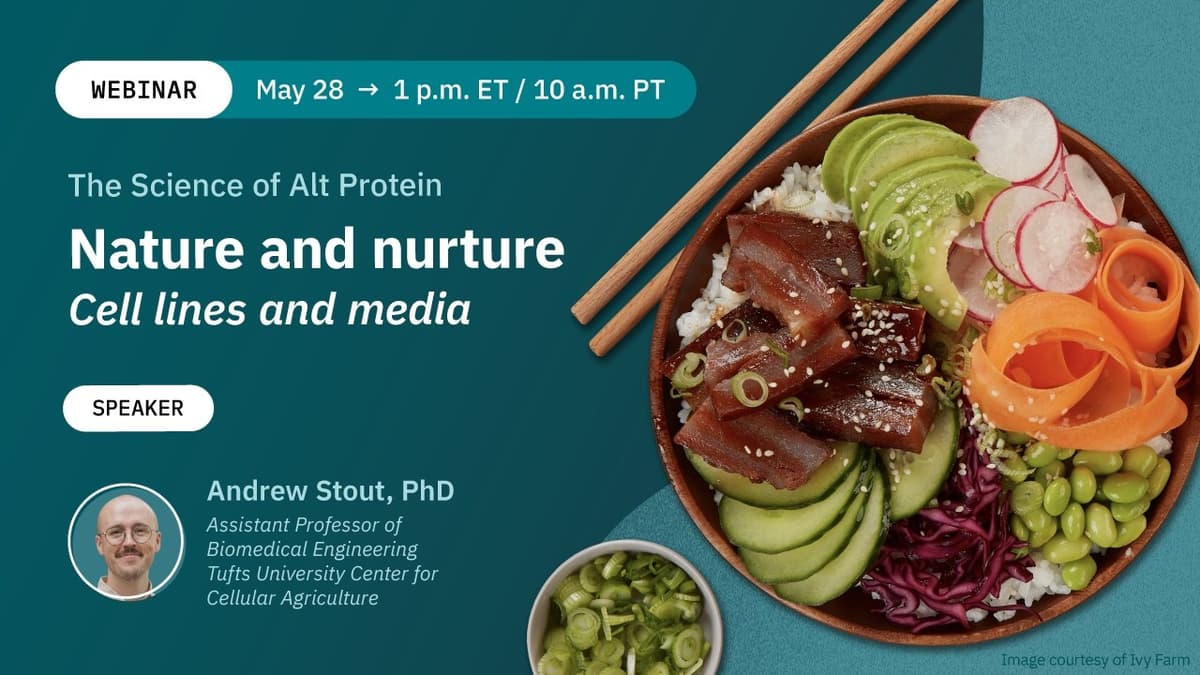
Dr. Andrew Stout: Nature and Nurture—Cell Lines and Media
The seminar, led by Dr. Andrew Stout of the Good Food Institute, examined the intertwined evolution of cell lines and culture media for cultivated meat. He traced the lineage back to Warren and Margaret Lewis, whose early‑1900s work on an...
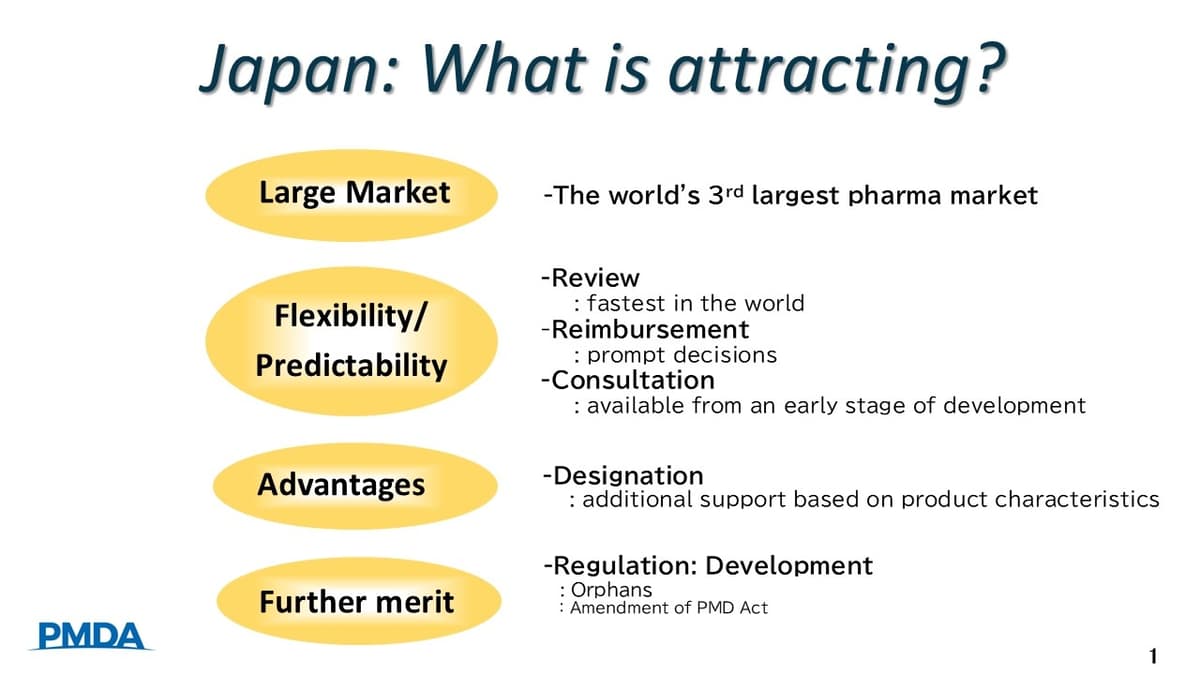
Why Japan for Drug Development Vol.2 Taking the Next Steps with Your Drug in Japan
The webinar, co‑hosted by NIK Biotechnology and sponsored by Nexera, focused on the latest PMDA initiatives that make Japan an increasingly attractive market for drug developers. Speakers highlighted Japan’s position as the world’s third‑largest pharmaceutical market, the transparency of PMDA’s...

Ebola Virus BDBV Fundamentals and Best Hope for Treatment
The video focuses on the rapidly expanding Bundibugyo Ebola virus (BDBV) outbreak in the Democratic Republic of Congo and neighboring Uganda, which has surpassed 700 suspected cases and 176 confirmed deaths as of May 2026. Health authorities have declared a...

Head & Neck Cancers: Prevention, Screening, Treatment & Clinical Trials
The NYU‑Long Island webinar addressed head and neck cancer, covering its definition, risk factors, prevention, screening, treatment options, and ongoing clinical trials. Speakers highlighted the disease’s impact on speech and swallowing, underscoring that early detection dramatically improves cure rates and...

Increasing Precision In Inhalation Delivery
The discussion centers on how advancing formulation science can sharpen the precision of inhaled therapeutics, especially as companies target both lung and nasal routes. Speakers note that roughly half of the pipeline now consists of biologics, prompting a push to deliver...
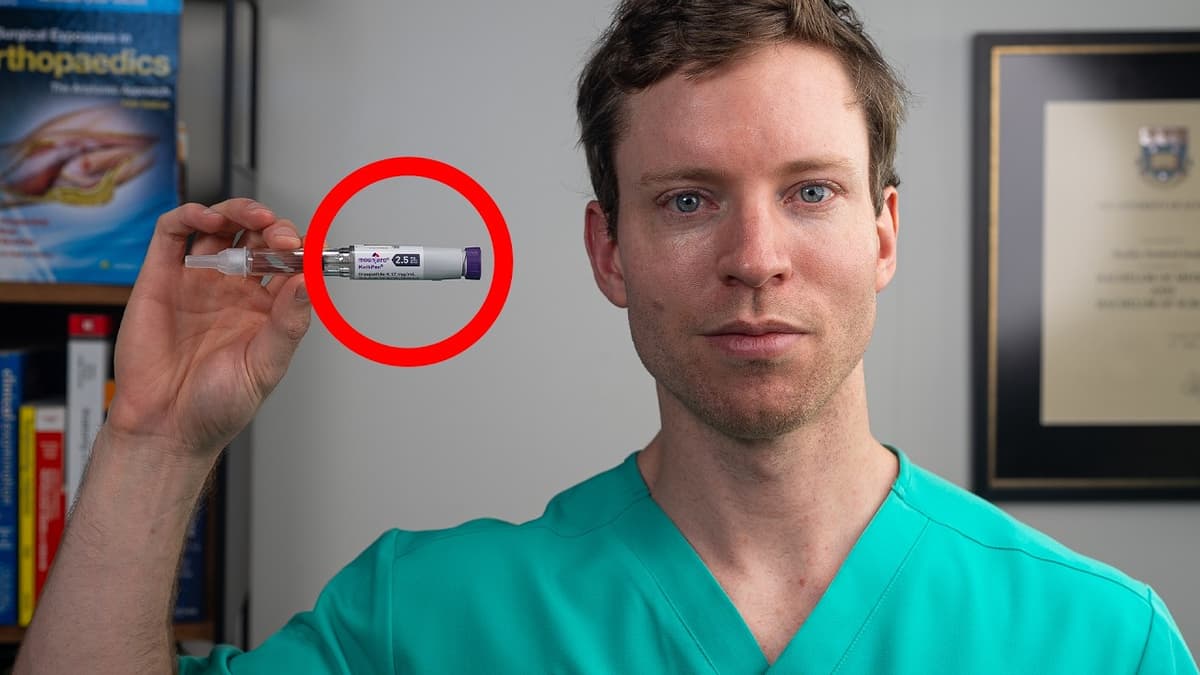
The Low-Dose Peptide I Take
The video follows a 34‑year‑old general practitioner who injects 1.25 mg of tirzepatide weekly despite lacking diabetes or obesity, using the drug to tap into emerging evidence that GLP‑1 and GIP agonists confer health benefits beyond weight loss. Recent large‑scale trials—SELECT, FLOW,...