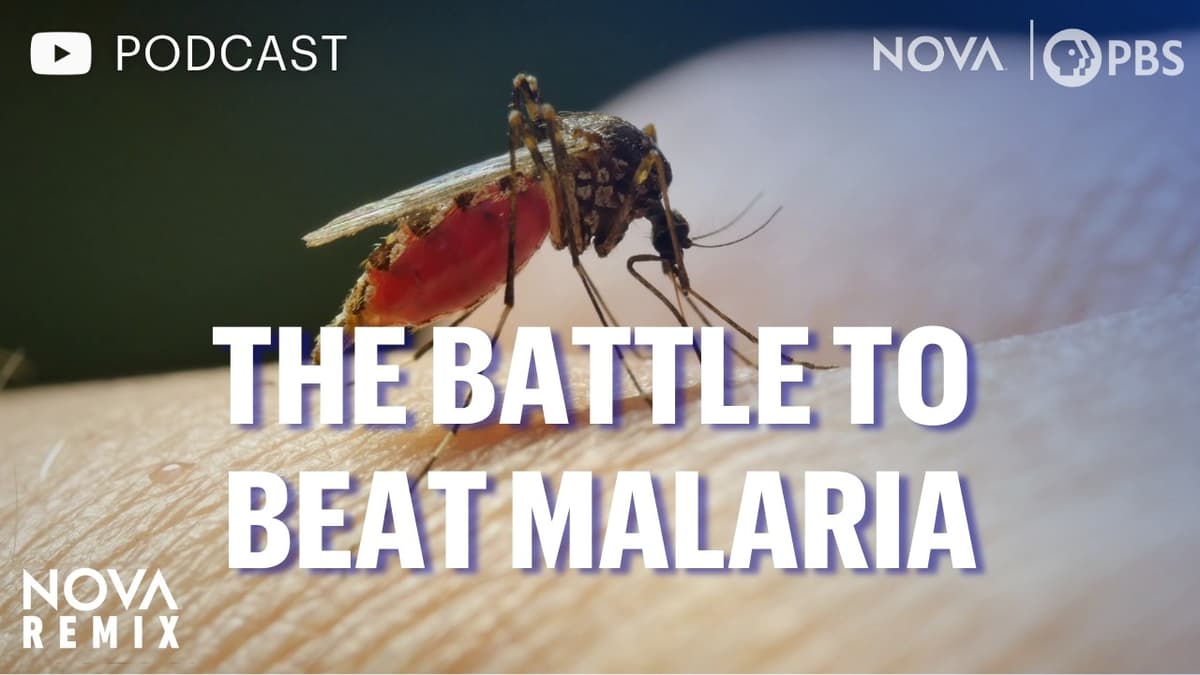
(Podcast Version) The Battle to Beat Malaria | NOVA Remix | NOVA | PBS
The podcast chronicles the decades‑long fight against malaria, focusing on the breakthrough R21 vaccine developed by Oxford researchers and manufactured at scale by the Serum Institute of India. It contrasts the legacy RTS,S/RTSS vaccine’s modest ~40% efficacy with the World Health Organization’s 75% target for 2030, explaining how scientists re‑engineered the circumsporozoite protein (CSP) to elicit stronger antibody responses. Key data points include early human challenge trials showing robust immunity at low doses, a 2019 Phase 2 study in Burkina Faso reporting 77% efficacy, and a massive Phase 3 trial of nearly 5,000 children that confirmed 73% efficacy with safety comparable to a rabies control vaccine. The transcript highlights the logistical hurdles—funding gaps, limited early‑stage doses, and the need for a reliable manufacturing partner. Notable voices such as Dr. Ali Elatu, Dr. Katie Uer, and Dr. Adrien Hill describe the scientific rationale behind boosting CSP density, while Serum Institute CEO Adar Punalal emphasizes cost‑effective, high‑volume production. The team’s perseverance amid sleepless nights and intense data analysis underscores the human element behind the scientific achievement. If approved and widely deployed, R21 could meet or exceed WHO efficacy goals, dramatically lowering child mortality in malaria‑endemic regions and reshaping global health funding priorities. Its success hinges on governmental endorsement, financing, and distribution networks to reach the millions at risk.

Elutia Inc. (NASDAQ: ELUT) Reducing Surgical Infection Risk & Scaling Commercial Adoption
Elutia Inc. (NASDAQ: ELUT) is positioning its antibiotic‑infused biomaterial platform to slash the roughly 20% post‑operative infection rate that plagues breast reconstruction after mastectomy. The company highlighted its upcoming NXT‑41X product, which integrates a sustained‑release antibiotic payload into standard surgical...
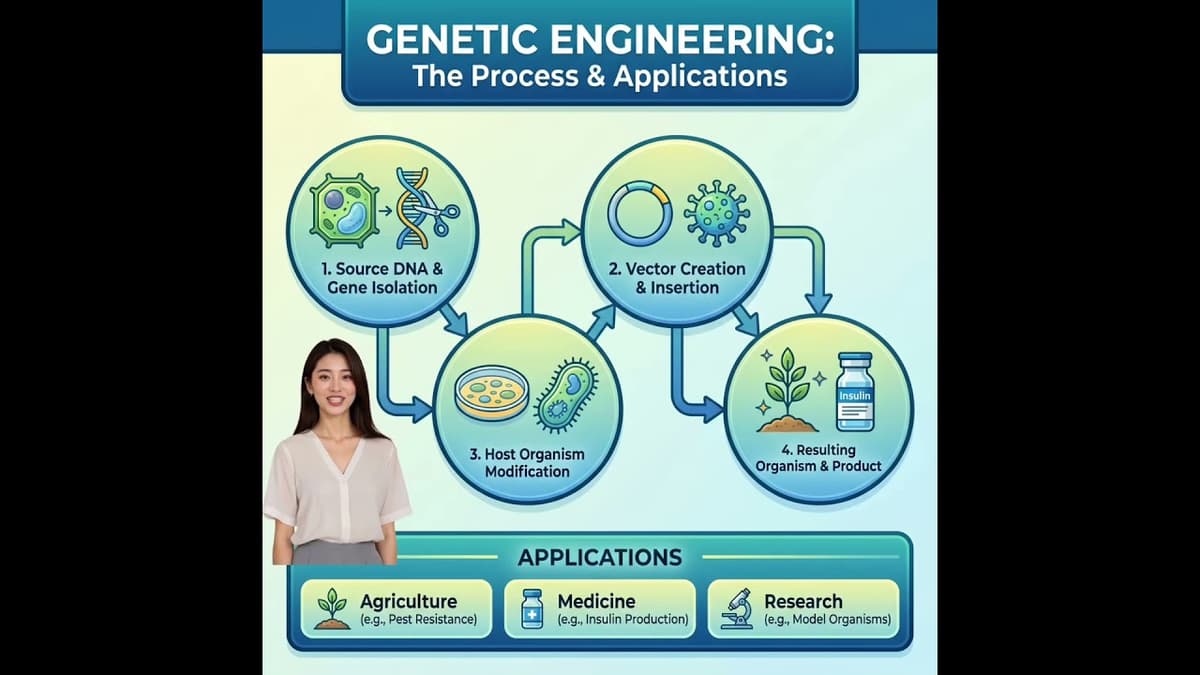
Genetic Engineering - The Process and Applications (2 Minutes)
The video provides a concise overview of genetic engineering, breaking the process into four clear steps: isolating a target gene from source DNA, inserting it into a delivery vector, transferring the vector into a host organism, and harvesting the resulting...
Paxlovid for Covid?
Two recent randomized trials in the U.K. and Canada enrolling about 4,000 mostly vaccinated outpatients — age 50+ or younger with comorbidities — found Paxlovid did not lower the already low combined rate of hospitalization or death (around 1%). However,...
Immunic CEO on Q1 Highlights, New Appointments and Upcoming Milestones
Immunic’s CEO Daniel Witt used the Proactive interview to outline a busy first quarter, highlighting a slate of senior appointments, a $400 million oversubscribed financing round, and the company’s roadmap toward commercializing its lead candidate, VETA calcium. The new chief...
Lecture 1.6.3: Calculus Gradients & Gradient Descent
The lecture bridges classic calculus concepts—gradients and gradient descent—with real‑world clinical decision making. It explains how the central law of optimization, which hinges on zero‑slope points, can be used to pinpoint the best drug dose or the optimal timing of...
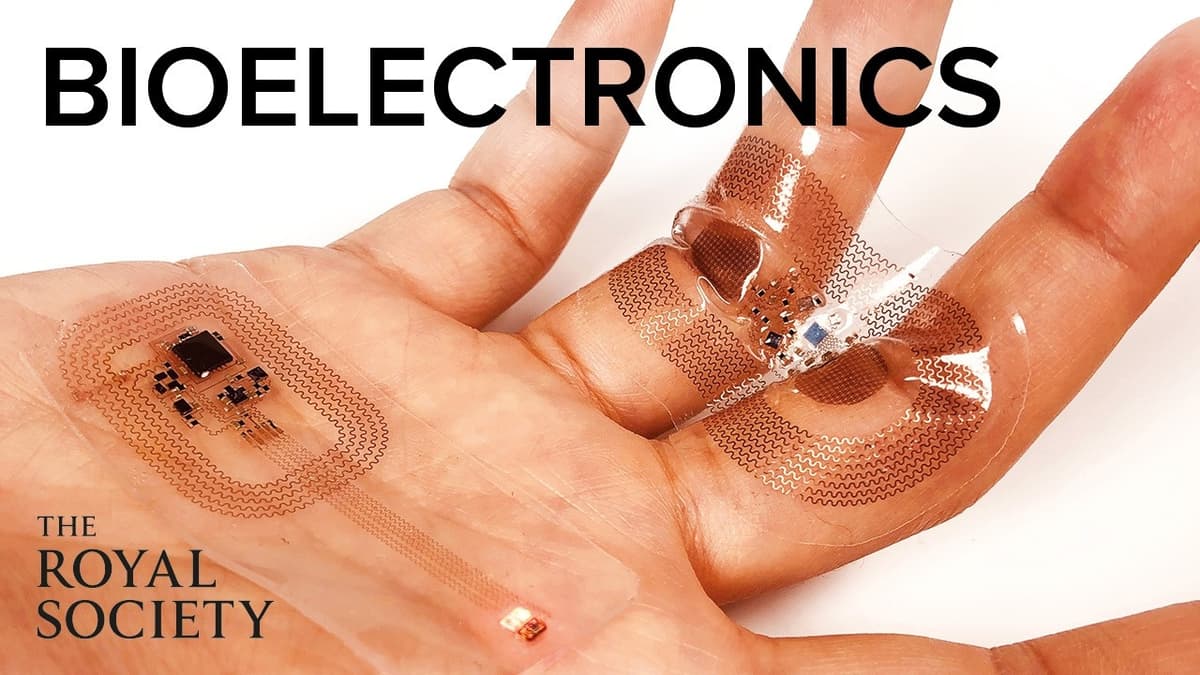
Bioelectronics – Technology Interfaces with the Human Body | The Royal Society
Professor John Rogers, winner of the 2026 Baker Medal, delivered a Royal Society lecture titled “Bioelectronics – technology interfaces with the human body,” outlining the field’s evolution from early microscopy philanthropy to modern wearable medical devices. Rogers described how ultra‑thin silicon...
Dr. Glaucomflecken Explains: Enfortumab Vedotin and Pembrolizumab in Bladder Cancer (KEYNOTE-905)
The video reviews the New England Journal of Medicine publication of the phase III KEYNOTE‑905 trial, which evaluated neoadjuvant Enfortumab Vedotin combined with Pembrolizumab in patients with muscle‑invasive bladder cancer who could not receive cisplatin‑based chemotherapy. The study randomized 340 eligible...
Why Delivery May Be the Biggest Problem in Longevity
The video discusses how delivery, not just molecular design, is the biggest obstacle to translating rejuvenation biotechnologies—such as Yamanaka factor gene therapies—into practical longevity treatments. It highlights that only a few tissues are naturally amenable to current delivery methods. The eye...
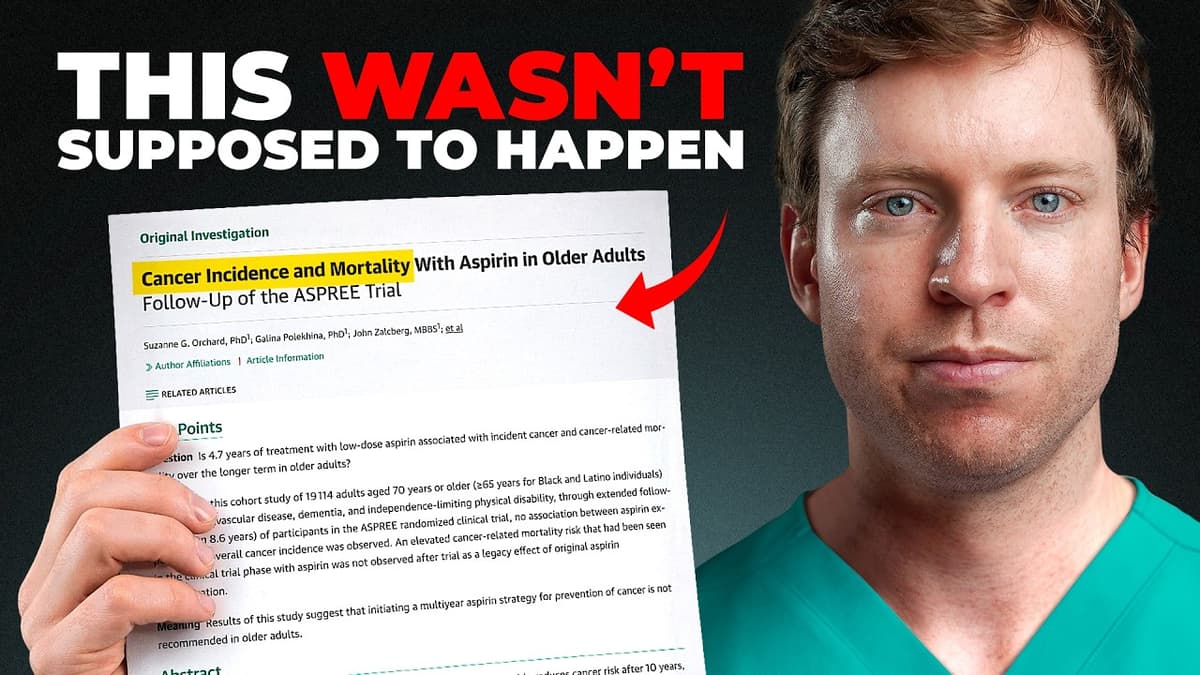
We Were Wrong About Aspirin (New Evidence)
The video examines how new randomized evidence overturns the long‑standing belief that daily low‑dose aspirin prevents cancer in otherwise healthy adults. Early observational studies and a 2010 meta‑analysis by Peter Rothwell suggested a one‑third reduction in cancer deaths, prompting the...
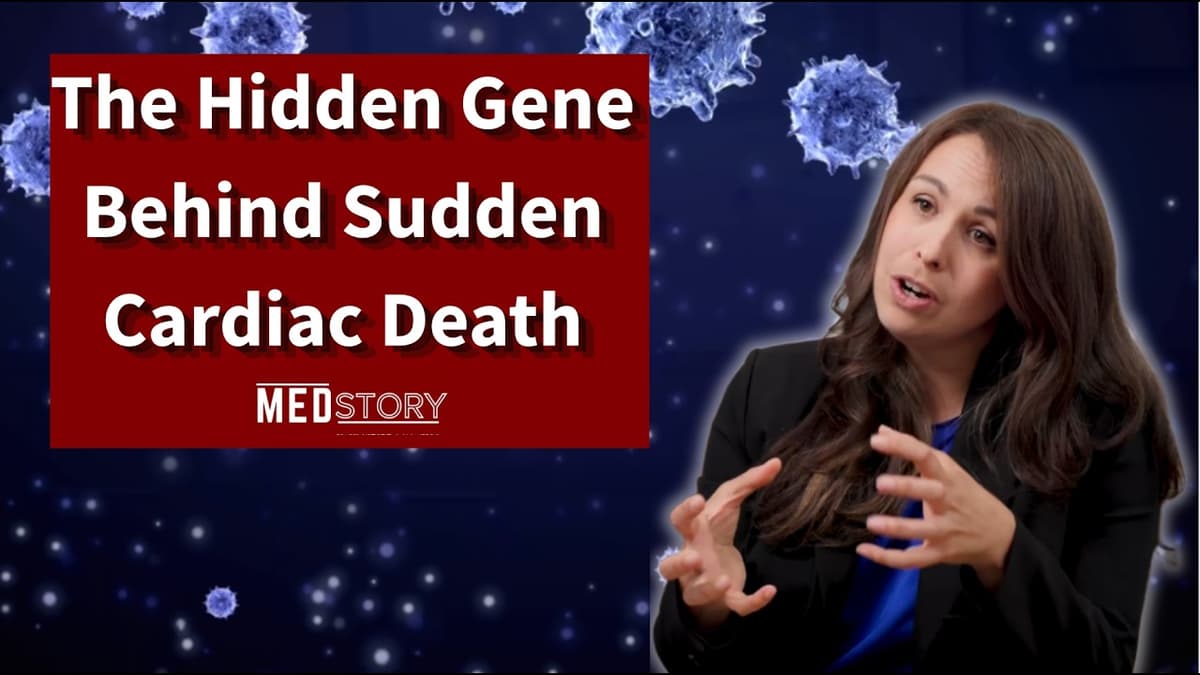
MedStory: The Hidden Gene Behind Sudden Cardiac Death
The video explains how a rare inherited disorder, arrhythmogenic right‑ventricular cardiomyopathy (ARVC), is driven by mutations in the plakophilin‑2 (PKP2) gene, a hidden cause of sudden cardiac death in young athletes. Stanford’s HEROIC PKP2 trial uses a non‑replicating adeno‑associated virus to...

Dr. Valter Longo on GLP-1, Growth Hormone Peptides and the Diet That Reverses Aging | EP#417
In this episode, longevity researcher Dr. Valter Longo critiques the hype surrounding GLP‑1 agonists and growth‑hormone‑releasing peptides, arguing that they are not the panacea for anti‑aging. He contrasts these pharmacologic shortcuts with dietary regimens that aim to reverse aging through...
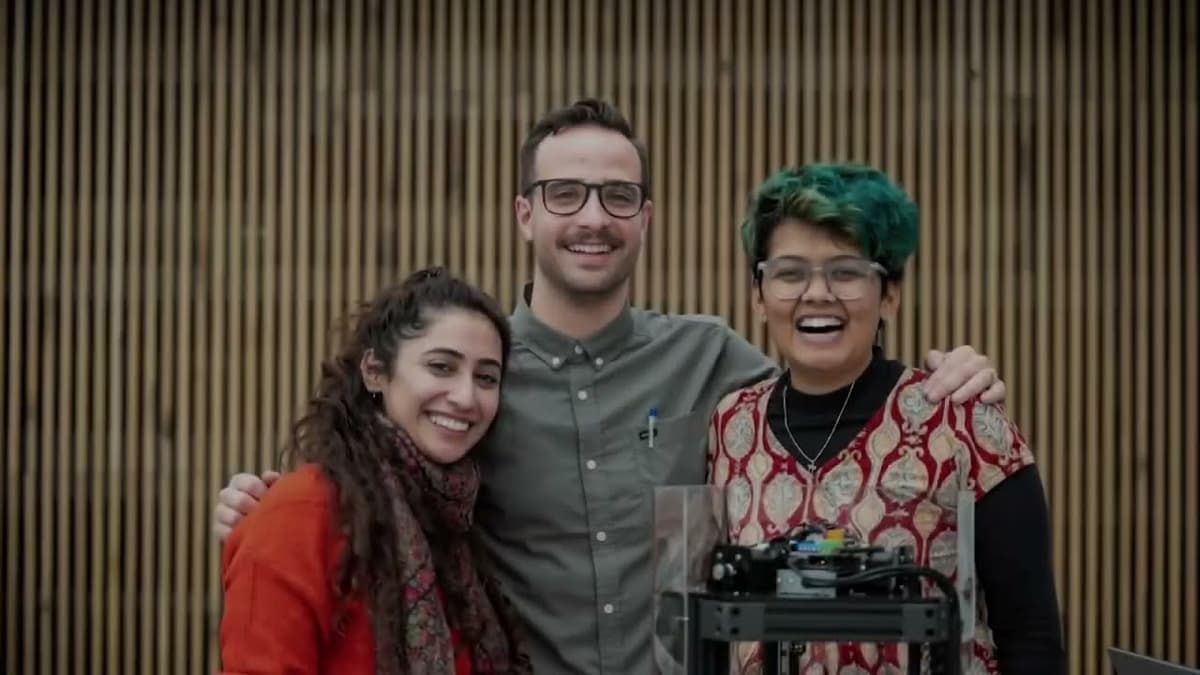
Meet CryoFab | 2026 President's Innovation Challenge Ingenuity Award Winner
CryoFab, the 2026 President's Innovation Challenge Ingenuity Award winner, unveiled a novel 3‑D printing platform that uses ice as a sacrificial material to create vascular channels in engineered tissues. With over 100,000 patients awaiting transplants, lack of internal vasculature stalls tissue...
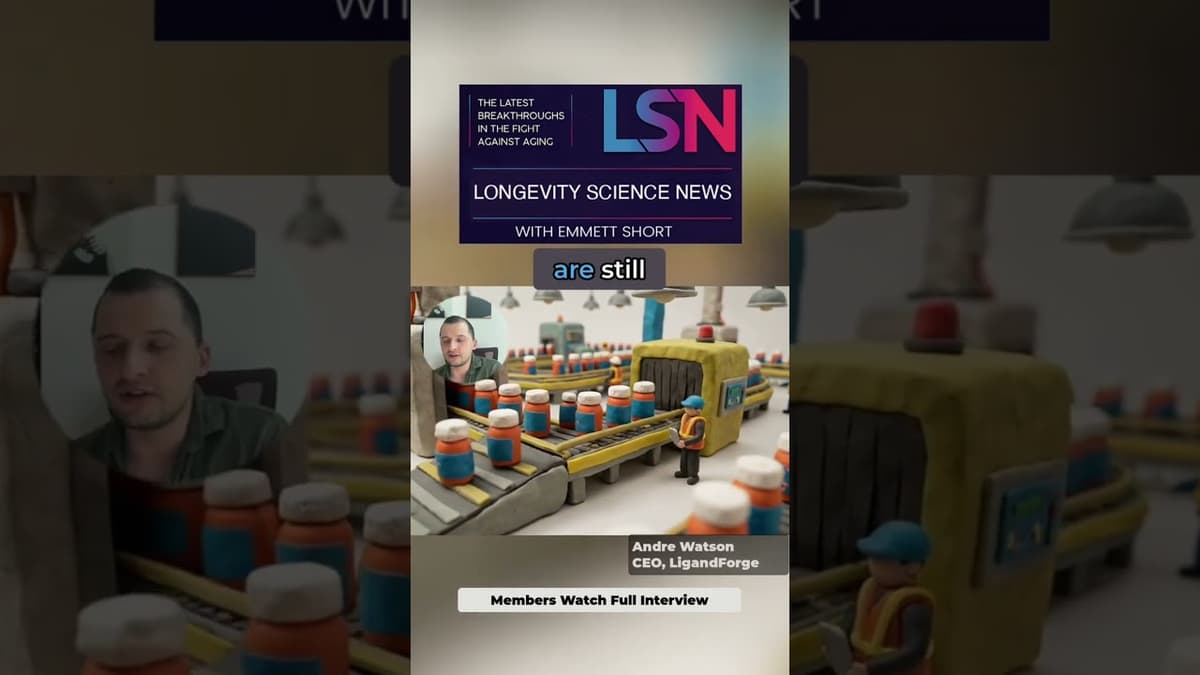
The Real Future of Personalized Medicine
The video examines the economics of personalized medicine, contrasting the astronomical price tags of current one‑off gene‑therapy treatments with the potential for mass‑produced, low‑cost alternatives. Today, a single curative gene therapy can cost $1.7‑2.7 million, while manufacturing a short peptide costs roughly...
90% Nocebo (SAMSON) Trial
The Samson trial examined 60 patients who had stopped statins due to perceived side effects. Over a 12‑month blinded crossover, participants took a statin for four months, a placebo for four months, and no tablet for the final four months...
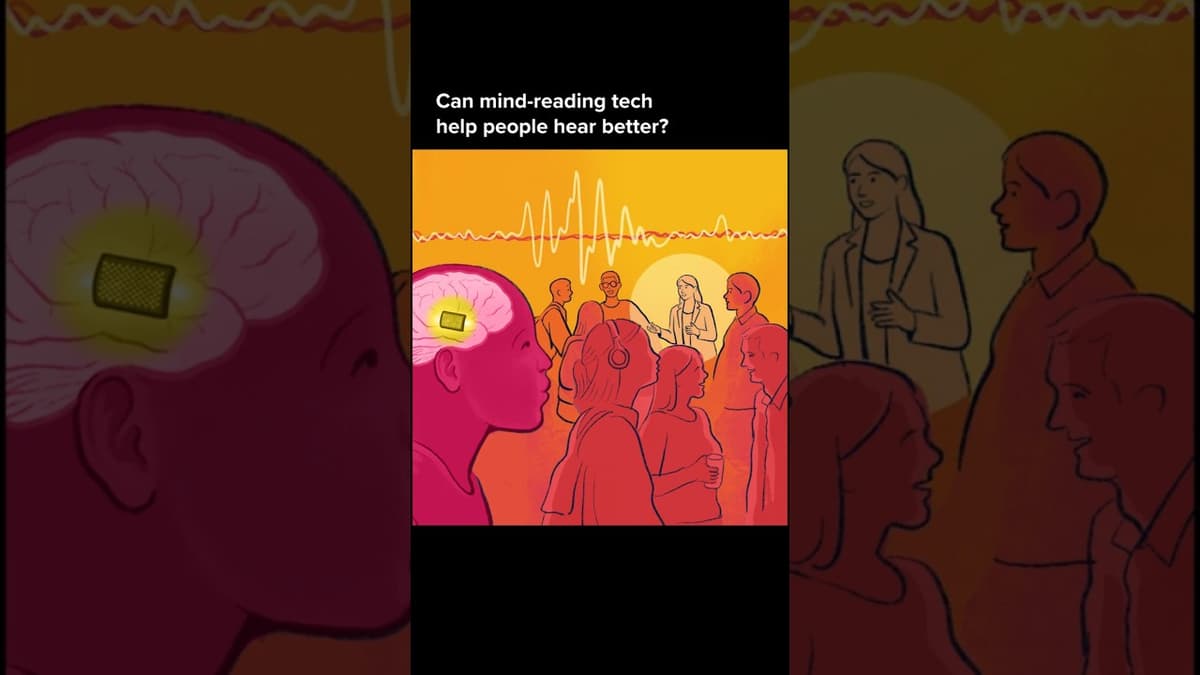
Can Mind-Reading Tech Help People Hear Better?
The video explores emerging mind‑reading interfaces that could be integrated into hearing‑aid technology, allowing users to direct attention to specific voices in crowded environments. Researchers demonstrated a prototype that decodes neural activity to differentiate louder and softer audio segments, effectively letting...
Building A New Antibody Discovery Platform With Infinimmune's Wyatt McDonnell, Ph.D.
In the latest episode of Business of Biotech, Life Science Leader’s Ben Comr sits down with Wyatt McDonnell, Ph.D., co‑founder and CEO of Infinimmune, to discuss the company’s novel antibody discovery platform that combines a vast repository of human blood...
AI, Cancer & Programmable Biology
The video explores how artificial intelligence and programmable biology are converging to create bespoke molecular tools that can deliver mRNA, CRISPR components, vaccines or immunotherapies directly to diseased cells. By leveraging single‑cell RNA sequencing, researchers can map the expression levels of...
The Most Powerful Peptide for Inflammation Has Been Discovered (KPV)
The video introduces KPV, a three‑amino‑acid peptide that uniquely penetrates inflamed gut cells through the PEPT1 transporter and directly dampens intracellular inflammatory signaling. Unlike most anti‑inflammatory agents that act extracellularly, KPV blocks NF‑κB activation and lowers cytokines such as IL‑6,...
Lecture 3.2.8: FDA Digital Health & CE Mark Pathways
The lecture walks developers through the regulatory maze for software‑based medical devices, comparing the U.S. FDA framework with the European CE‑mark pathway. It defines "software as a medical device" (SaMD), outlines the FDA’s three‑tier risk classification, and explains how each...
AI Isn’t Just Changing Software. It’s Changing Medicine.
The video illustrates how artificial intelligence is reshaping medicine through a real‑world case study. GitLab’s founder, diagnosed with bone cancer and denied trial access, leveraged AI to dissect his own tumor’s molecular profile and then released the data publicly for...

The MAHA-Peptide Connection
The video spotlights a growing subculture of “peptide parties,” where tech founders and biohackers inject unregulated peptide cocktails, treating invasive therapies like over‑the‑counter supplements. It follows a coffee‑shop encounter with two entrepreneurs aggressively pitching a startup that would sell IV...

The Wild Gray Market for Peptides
The video spotlights a burgeoning gray‑market for experimental peptides, focusing on GLP‑3—officially named reatrade—being sold by social‑media influencers without any prescription. The host describes how a TikTok link and an influencer code yielded a vial of powder for roughly $130,...

A RSV Vaccine in Pregnancy Cuts Your Baby's Chance of Hospital Admission by up to 85% #pregnancy
The video reports findings from the largest real‑world evaluation of the maternal respiratory syncytial virus (RSV) vaccine in England, tracking nearly 300,000 births between September 2024 and March 2025. Researchers found infants whose mothers received the RSV shot during pregnancy were...
Rare Disease Families Find Roadmap to Drug Development at Bootcamps
The video spotlights a growing movement of rare‑disease bootcamps that equip non‑scientist parents with the tools to launch drug‑development projects for their children. Hosted by biotech firm Ultragenics, the multi‑day, sponsor‑funded curriculum walks participants from early research concepts through...
Safer Stem Cell Transplants — without Chemotherapy or Radiation | Stanford Medicine
Stanford Medicine researchers have introduced a novel conditioning regimen that replaces traditional chemotherapy and radiation with an antibody, Briquilimab, for bone‑marrow transplants in patients with Fanconi anemia—a disorder marked by defective DNA repair. The approach targets the CD117 receptor on...

456: What Is ACTUALLY Going on with Fertilizer Right Now
The episode tackles the sudden surge in fertilizer costs, especially nitrogen, as U.S. urea prices jumped 100% year‑over‑year, squeezing farmer margins and prompting renewed focus on fertilizer supply chains. Pivot Bio’s CEO Chris Abbott outlines how the market shock has...
HVIVO Secures £6m Influenza Human Challenge Trial Contract
hVIVO announced a £6 million contract to run a human challenge study testing a prophylactic antiviral against influenza. The agreement, detailed by Chief Scientific Officer Andrew Catchpole, marks a significant step for the company’s antiviral pipeline. The trial is divided into two...

Kyoto Prize at Oxford: Azim Surani: The Hidden Logic of the Genome
The Oxford‑hosted Kyoto Prize ceremony featured a talk by developmental biologist Professor Azim Surani, who was honored for uncovering the “hidden logic” of the genome through his work on genomic imprinting. The event, organized by the Inamori Foundation and Oxford’s...
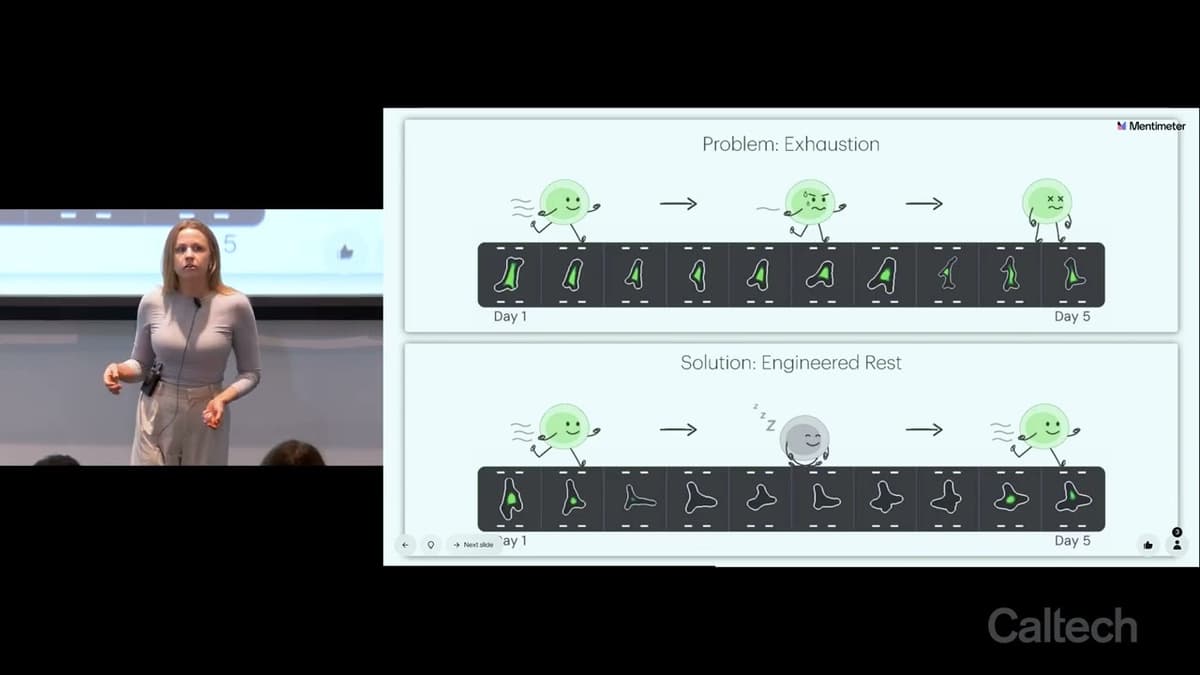
Victoria Tobin - Building Circuits to Give Cancer-Fighting Cells a Break
The video introduces Victoria Tobin’s work on engineering genetic circuits that give CAR T cells scheduled “breaks,” addressing the exhaustion that hampers their cancer‑killing performance. Tobin explains that CAR T cells, harvested from patients and reprogrammed to target tumors, work well...
Oncology Nurses - The Frontliners in Oncology
The FDA Oncology Center of Excellence hosted a panel for National Nurses Week, highlighting oncology nurses as the front‑line drivers of cancer drug development. Senior advisors and seasoned nurses shared personal stories, underscoring the profession’s high public trust and its...

CDER - REdI Annual Conference 2026: Innovative Regulatory Strategies to Advance Medical Products
The FDA’s REdI Annual Conference 2026 gathered over 8,300 registrants from 106 countries to showcase innovative regulatory strategies that will shape the future of medical product oversight. The event’s theme highlighted the agency’s shift from traditional paradigms toward data‑rich,...
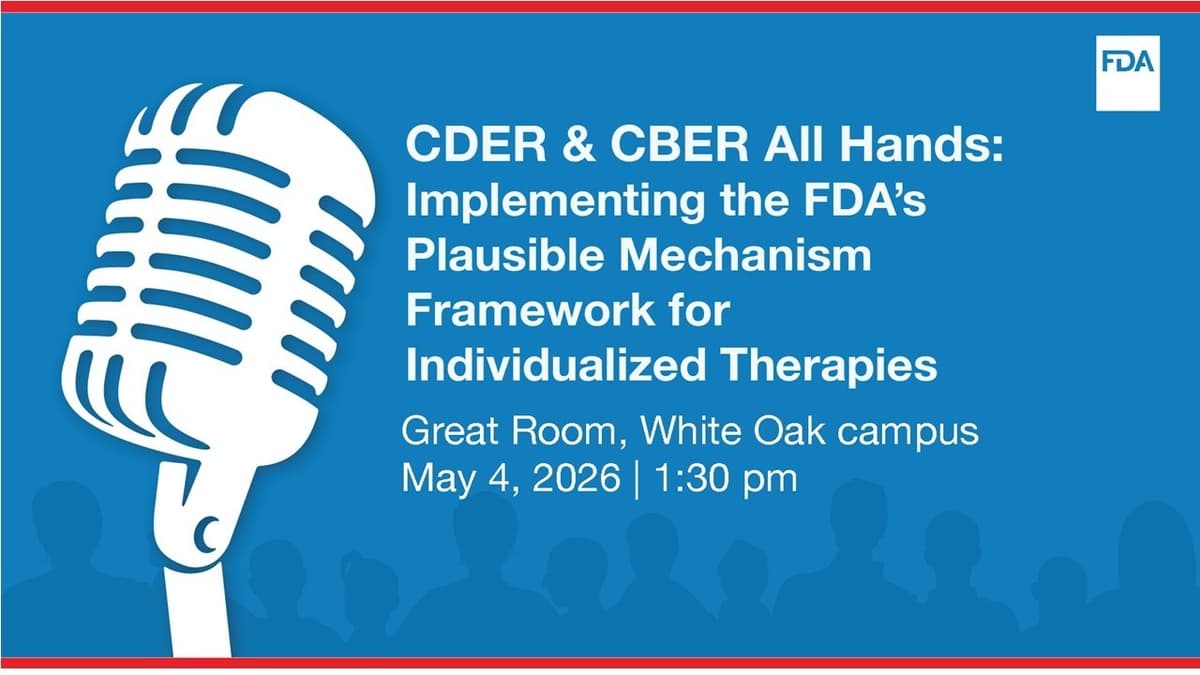
CDER & CBER All Hands: Implementing the FDA's Plausible Mechanism Framework
The FDA held its first joint CDER‑CBER all‑hands to unveil the Plausible Mechanism Framework, a regulatory approach designed to keep pace with rapid advances in individualized medicine. Speakers highlighted the landmark case of baby KJ, whose successful gene‑editing therapy...

From Reactive to Proactive in Retinal Disease Care | NYU Langone Health
The video outlines NYU Langone Health’s new cross‑disciplinary strategy for tackling retinal diseases, merging ophthalmology, basic science, AI, data analytics, and microbiome research under one roof. Dr. Dimmitra Scondra, vice chair of research, emphasizes that the eye provides a unique,...
TSAGE
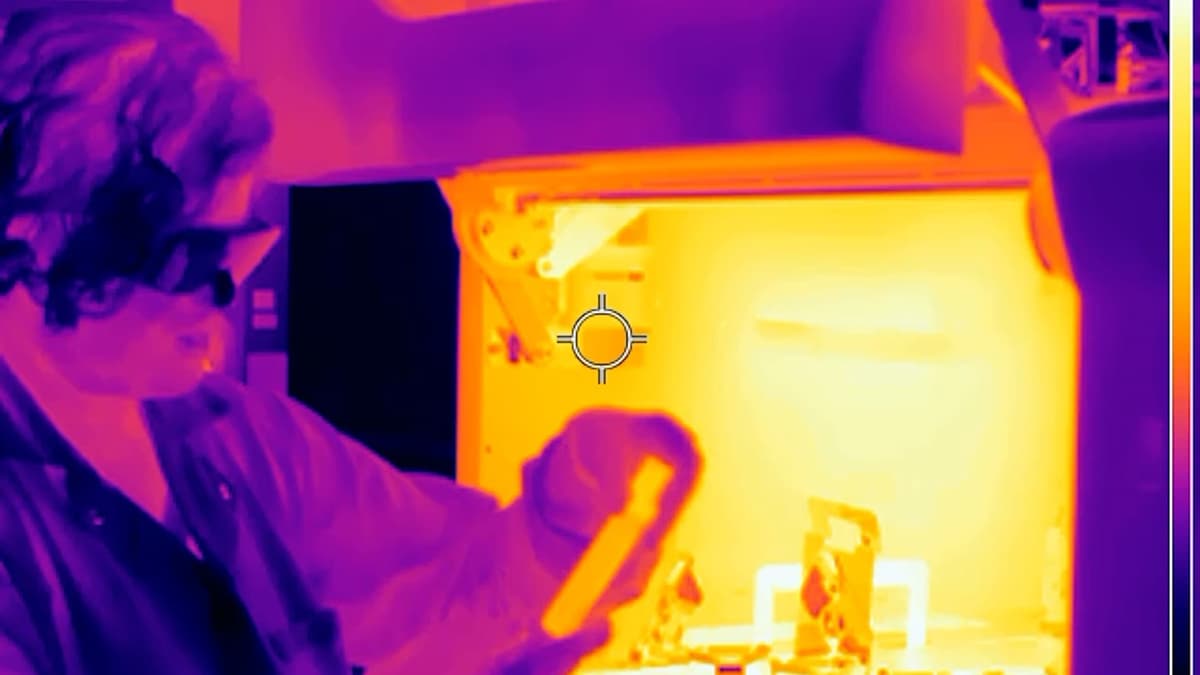
tSAGE is a biotechnological platform that extends Serine recombinase‑Assisted Genome Engineering (SAGE) to organisms thriving at elevated temperatures. By adapting the recombinase system for thermophiles, the tool lets researchers and companies engineer heat‑loving microbes far faster than traditional methods. The core...
NIH SciBites: A Smarter Way to Silence Inflammation
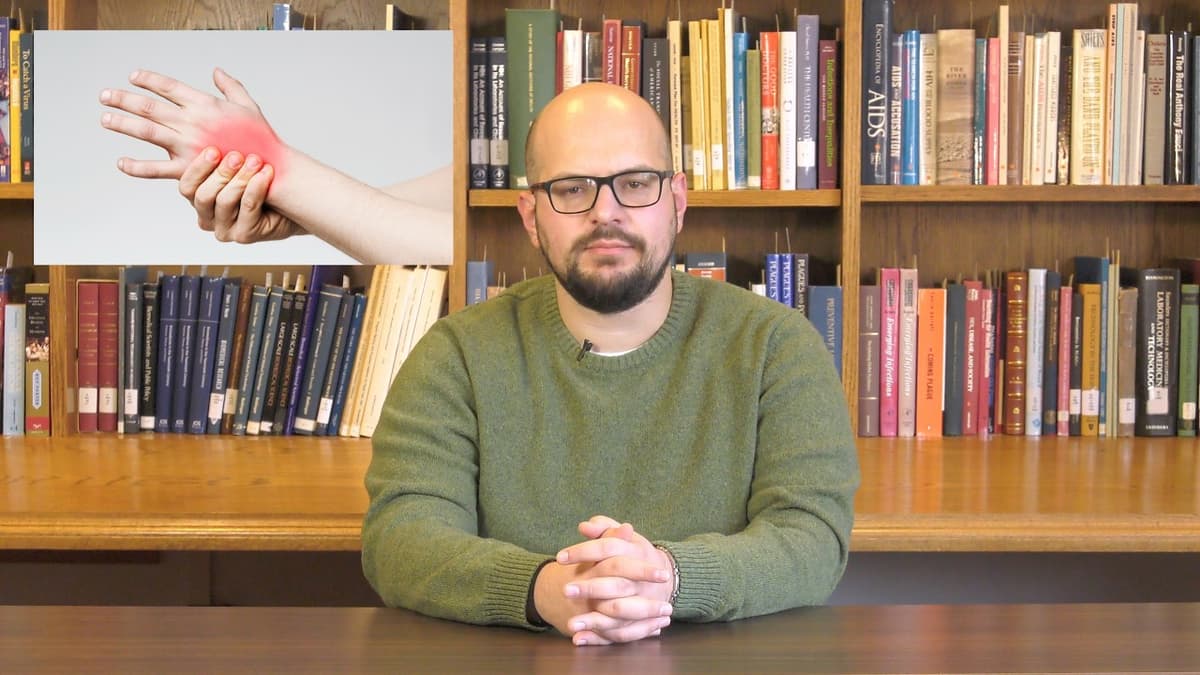
NIH postdoctoral researcher Matteo Pavan unveiled a novel therapeutic strategy aimed at chronic inflammation, a condition implicated in roughly 60% of worldwide deaths and a driver of heart disease, cancer, diabetes and Alzheimer’s. Current anti‑inflammatory drugs act like a sledgehammer, suppressing...
‘AI Is Changing the Way We Do Biology’
Emma Lundberg, a cell biologist, explains how mapping protein localization across space and time is reshaping our understanding of cellular function. She notes that a protein’s subcellular address—mitochondria, nucleus, or elsewhere—provides strong hints about its role, and that mis‑localization underlies cancers,...
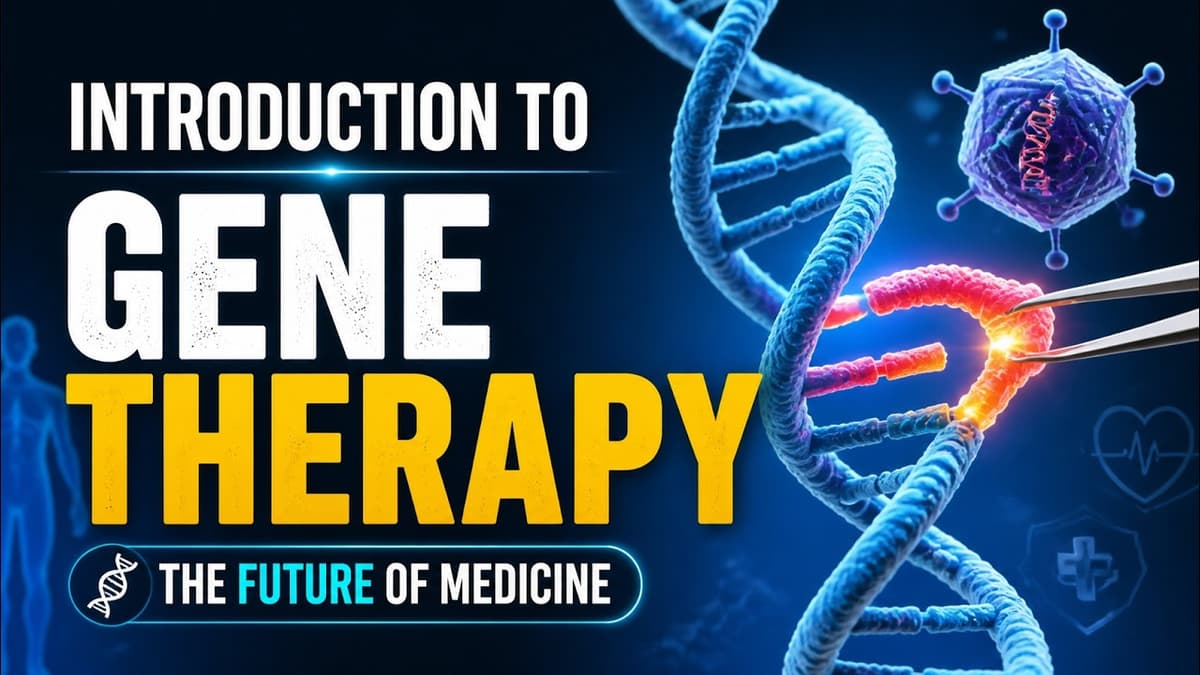
Introduction to Gene Therapy From Biotechnological Perspective (10 Minutes)
The video provides a biotech‑focused overview of gene therapy, tracing its evolution from early concepts in the 1970s to the current portfolio of FDA‑approved products. It explains how modifying a patient’s genetic code differs from conventional symptom‑based treatments and why...
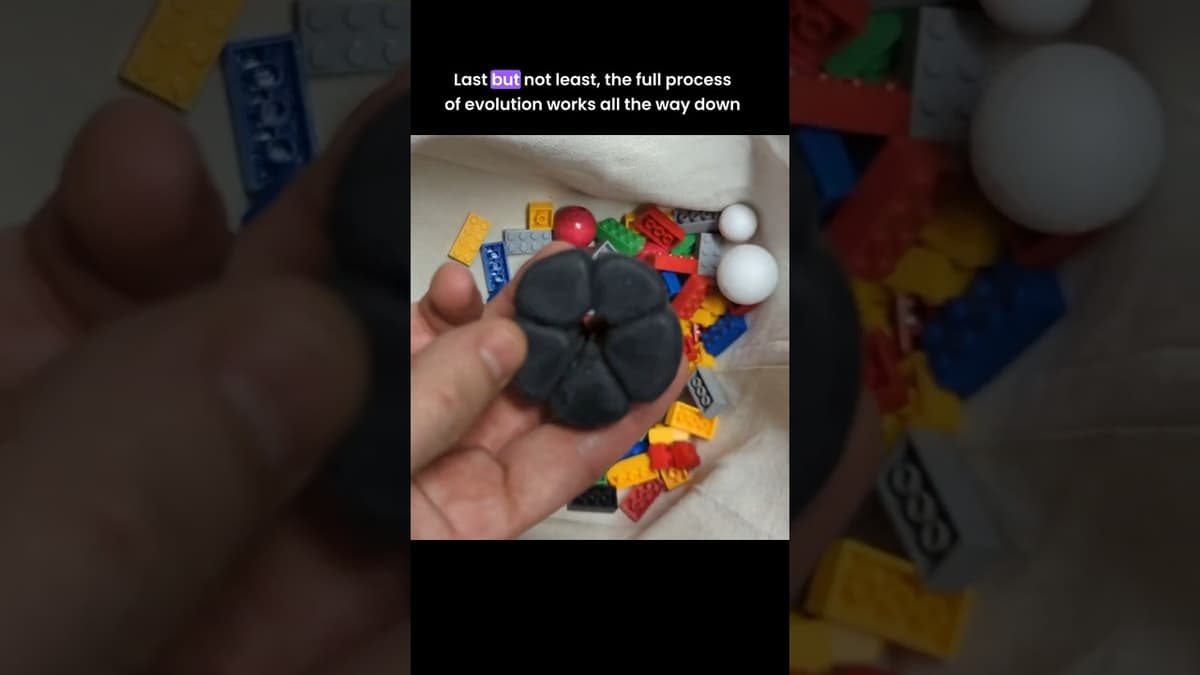
Protein Evolution Stated Clearly
The video distills the central dogma of molecular biology into a concise narrative, describing how a DNA strand serves as a template for a linear chain of amino acids that the cell assembles into a protein. It emphasizes that once synthesized,...

Glycans, Inflammation & Biological Age: A New Lens on Longevity
The podcast explores glycans—overlooked sugar molecules attached to proteins—as powerful indicators of inflammation, biological age, and longevity. Host Dr. Nina Patrick interviews Nikolina Lauc, CEO of GlycanAge, who explains how her family’s pioneering glycomics research led to the GlycanAge clock,...
From Partnered ASO Therapies To A Wholly-Owned Pipeline With Ionis's Brett Monia, Ph.D.
The Business of Biotech interview with Ionis founder‑scientist Brett Monia, now CEO, explores how the RNA‑therapeutics pioneer moved from a partnership‑heavy antisense oligonucleotide (ASO) model to a wholly‑owned drug pipeline with built‑in commercialization capabilities. Monia recounts the early scientific unknowns—cellular uptake,...
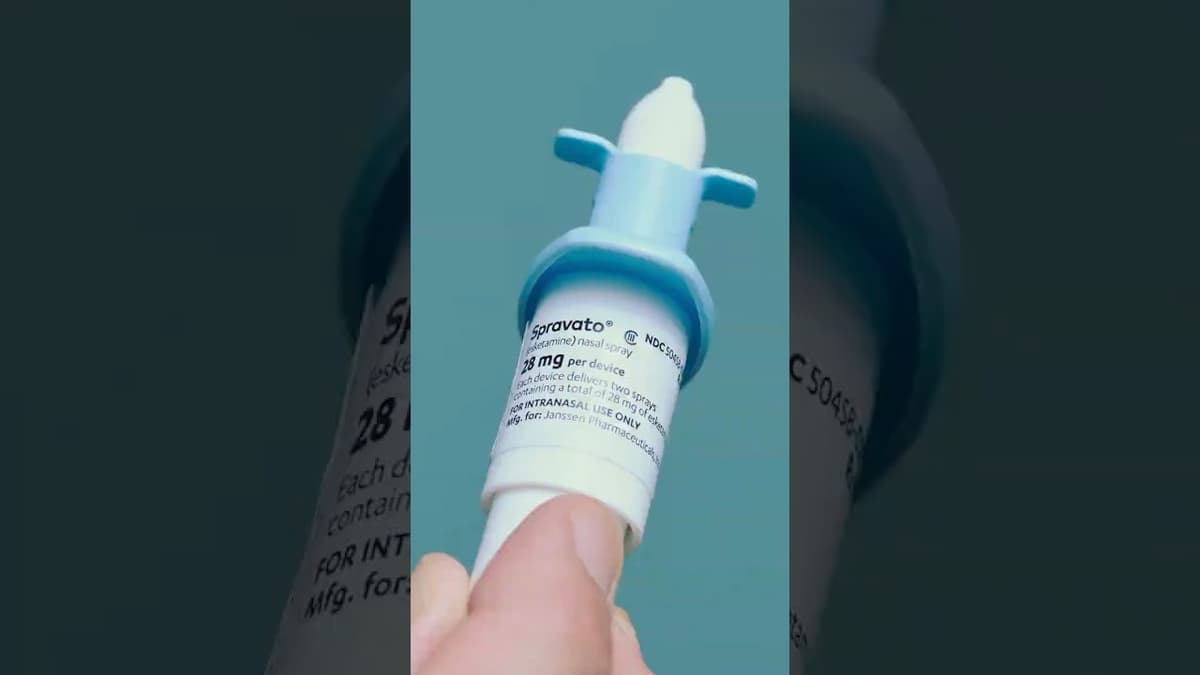
J&J’s New Drug for Treatment-Resistant Depression
Johnson & Johnson’s newly FDA‑approved nasal spray, Spado (esketamine), targets patients with treatment‑resistant depression (TRD) and acute suicidal ideation. The drug, delivered via a nasal atomizer, represents the latest addition to the limited arsenal of rapid‑acting antidepressants. Unlike traditional oral antidepressants,...
GLP-1s and Your Gut
The video examines how GLP‑1 receptor agonists, widely prescribed for obesity and type‑2 diabetes, interact with the intestinal microbiome. It explains that the primary pharmacologic action—delaying gastric emptying—has downstream effects on gut ecology. By slowing transit, waste remains longer, fostering bacterial...
Cancer Clinical Trials: Basics, Timeline, Safety, Risks/Benefits & Myths (Part 1)
In this introductory session, Gabrielle Gargano and Cassel Mangalinden walk viewers through the fundamentals of clinical research, emphasizing its relevance across oncology and broader therapeutic areas. They outline the spectrum of trial categories—prevention, screening, diagnostic, treatment, and quality‑of‑life—highlighting that many...
(Review) Orphan Drug Designation System in Japan - PMDA-ATC Learning Videos
The video explains Japan's orphan drug designation system, governed by the PMD Act, its enforcement regulations, and a specific notification. It outlines the three eligibility criteria—patient population, medical need, and development feasibility—that a drug must meet to qualify. A drug qualifies...
Human Genome Decoder J. Craig Venter Has Died. We Interviewed Him Less than a Month Ago
The video is a posthumous interview with J. Craig Venter, the pioneering genome scientist who died recently. Venter reflects on the turbulent state of American science, the hype surrounding AI, and the challenges of funding, talent pipelines, and geopolitical competition. He...
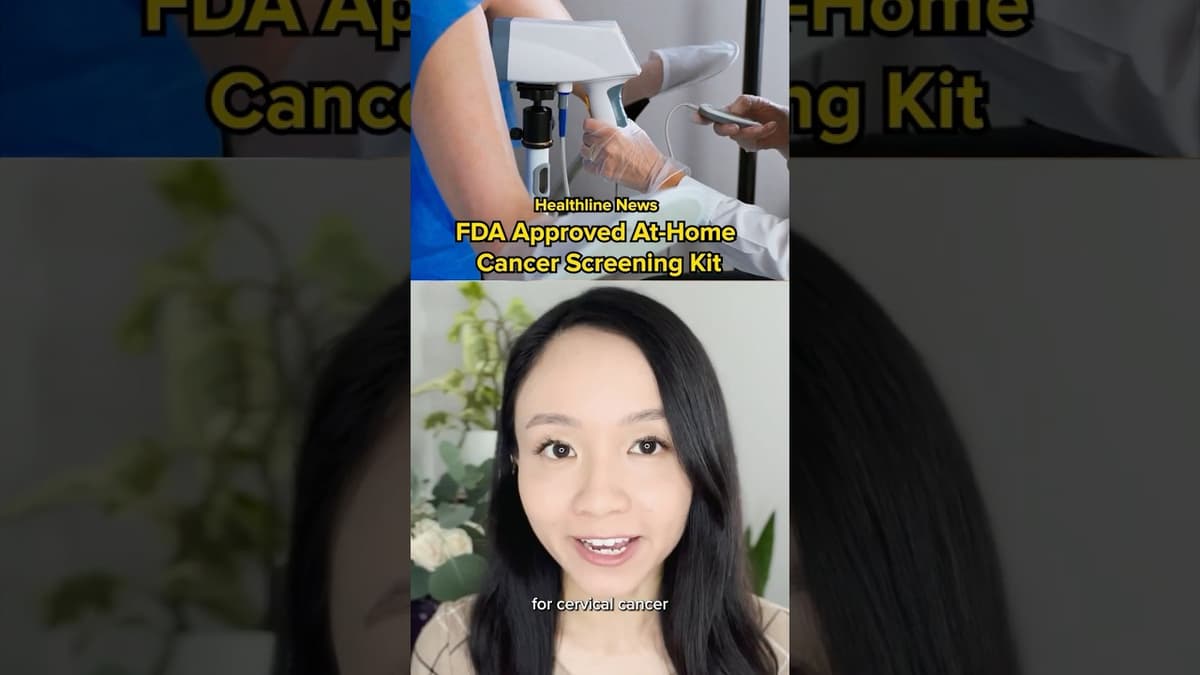
At Home Cancer Test #healthnews #womenswellness #HealthcareAccess #cancer #womenshealth #news
The video announces FDA clearance of Waters Corporation’s Onclarity HPV self‑collection kit, the latest at‑home test for cervical cancer screening. Building on the 2025 approval of the Teal Wand, the new kit lets users collect a vaginal sample at home...

WHO Director-General Dr Tedros on the Pathogen Access and Benefit Sharing (PABS) Annex
World Health Organization Director‑General Dr. Tedros highlighted the Pathogen Access and Benefit Sharing (PABS) annex as the final piece needed to activate the WHO pandemic treaty. He explained that the annex consolidates lessons from COVID‑19 and links a suite of...
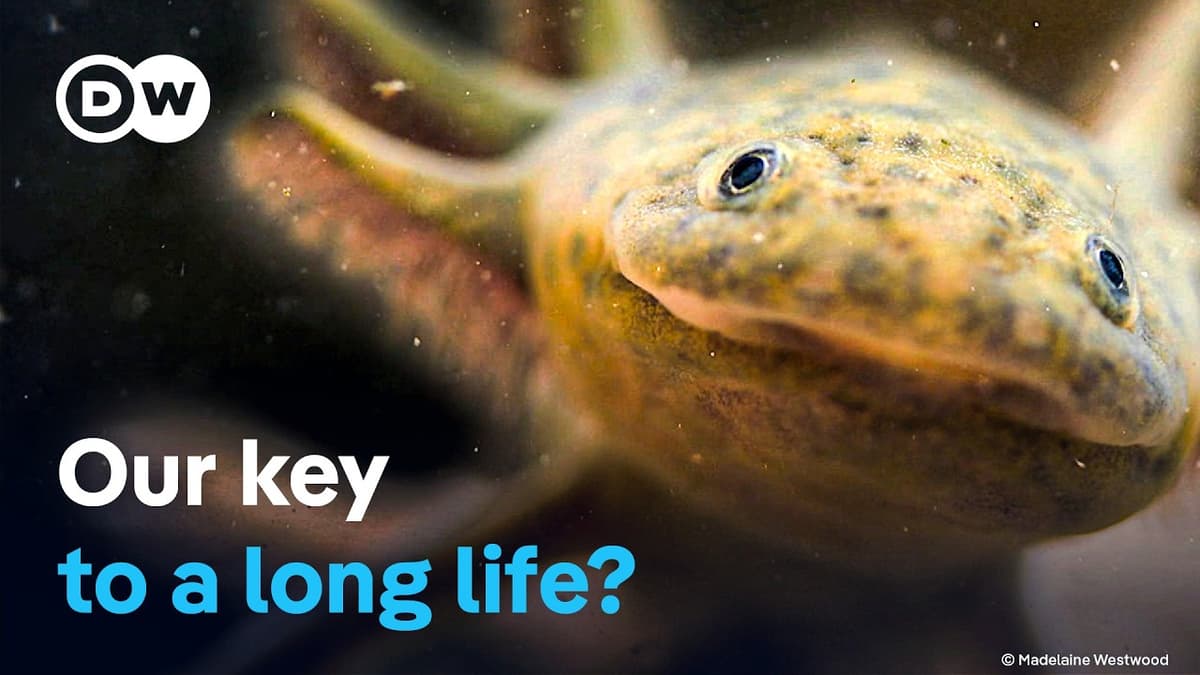
Axolotl - The Magical Healing Powers of a Salamander | DW Documentary
The DW documentary explores the axolotl, a neotenic salamander that lives exclusively in the dwindling waterways of Xochimilco, a historic chinampa district of Mexico City. Once revered as the embodiment of the Aztec god Xolotl, the creature now teeters on...
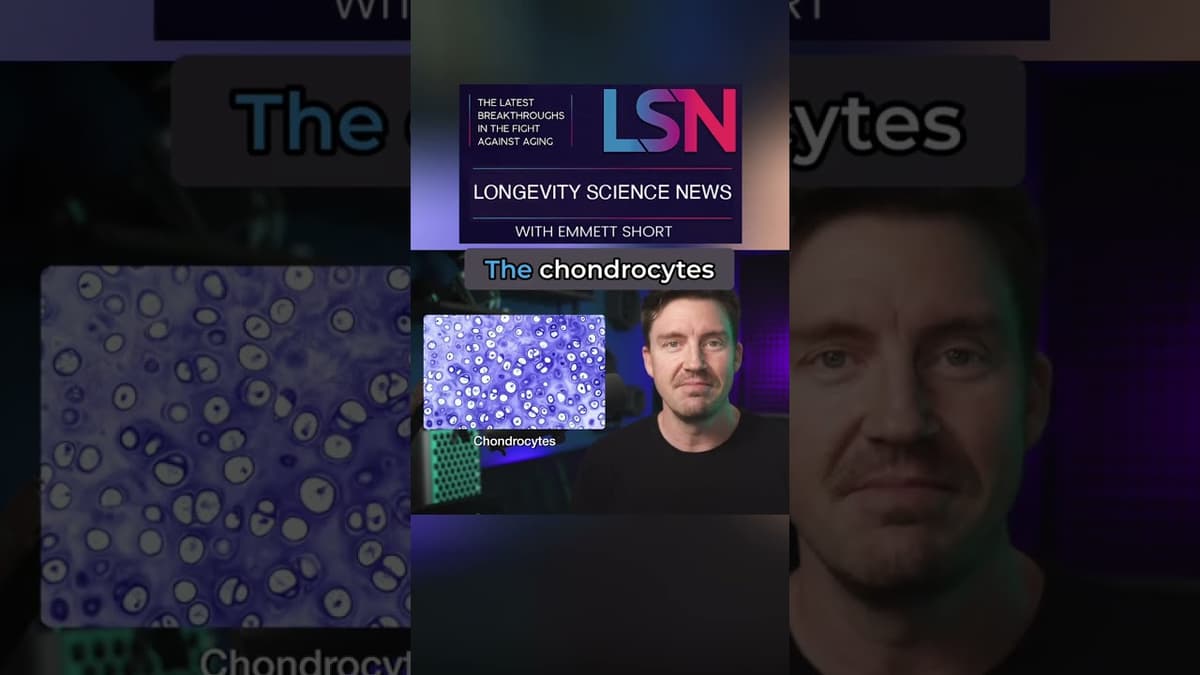
Cells Didn’t Regrow… They Just Acted Younger
Researchers unveiled a novel regenerative strategy that reprograms existing joint cells rather than creating new ones, offering a promising avenue for treating age‑related or injury‑induced arthritis. By altering gene expression patterns, the therapy empowers resident chondrocytes to function more like...