Today's Biohacking Pulse
Statins Cut Frailty Risk by 24% in Older Veterans
A retrospective cohort study of 987,301 U.S. veterans aged 67 and older found that starting statin therapy was linked to a 24% lower incidence of frailty over an average 5.3‑year follow‑up. The analysis, published in the European Heart Journal, controlled for a broad range of health and demographic variables.
Statin Use Linked to Lower Risk of Frailty in Older Veterans
Researchers at Mass General Brigham analyzed Medicare data from 987,301 U.S. veterans aged 67 and older and found that initiating statin therapy was associated with a 24% lower risk of developing frailty over an average 5.3‑year follow‑up. The retrospective cohort study, published in the European Heart Journal, adjusted for a wide range of health and demographic factors. The protective association held true across subgroups, including those with diabetes, cardiovascular disease, arthritis, dementia, and even participants who were pre‑frail at baseline. The authors suggest statins may offer a novel strategy for preserving health and independence in aging populations.
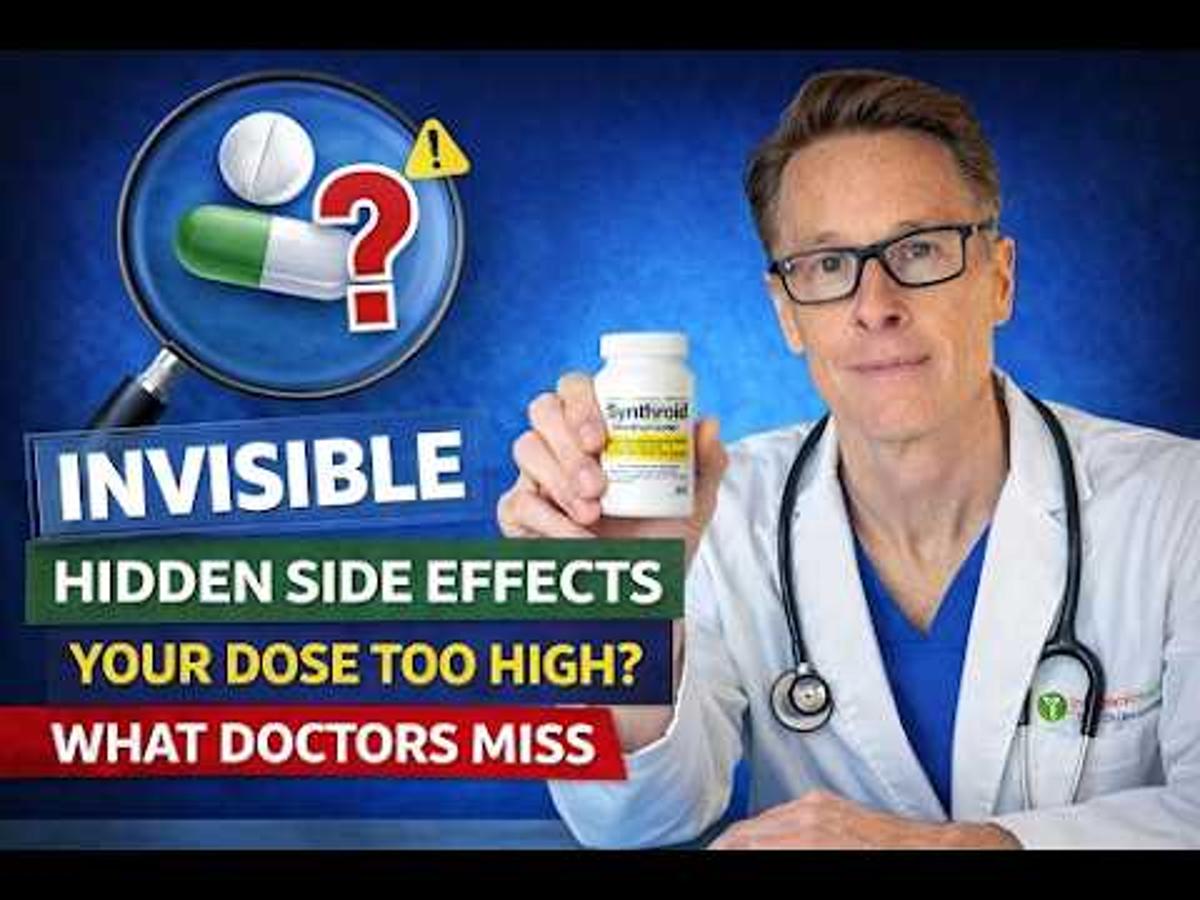
The Invisible Side Effects of Thyroid Medication (And How to Prevent Them)
Dr. Alan Christianson warns that thyroid medication, while generally safe, can produce “invisible” side effects when the dose is even slightly excessive or unnecessary. He emphasizes that a quarter to a third of patients on levothyroxine have abnormal hormone levels,...
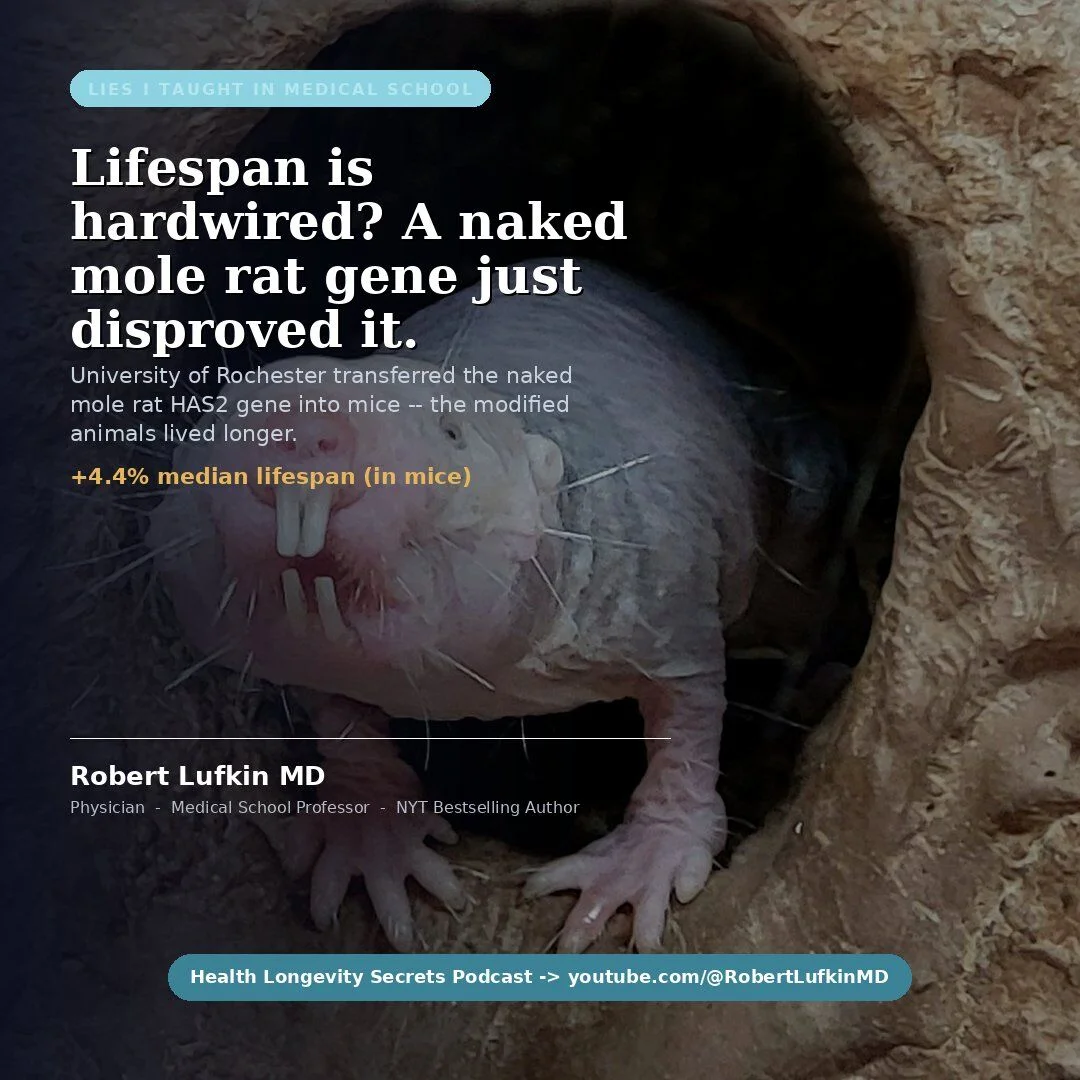
Gene Transfer Challenges Hardwired Lifespan Belief
One of the lies I taught in medical school: lifespan is hardwired and species-specific. A new gene transfer experiment says otherwise. (1/4)
Human Evidence Shows Creatine Doesn’t Accelerate Cancer
"Creatine causes cancer to spread" -- that headline comes from a real 2021 mouse study. But what does the human data actually say? In the new Health Longevity Secrets episode, I break down both halves of the science: (1/3)
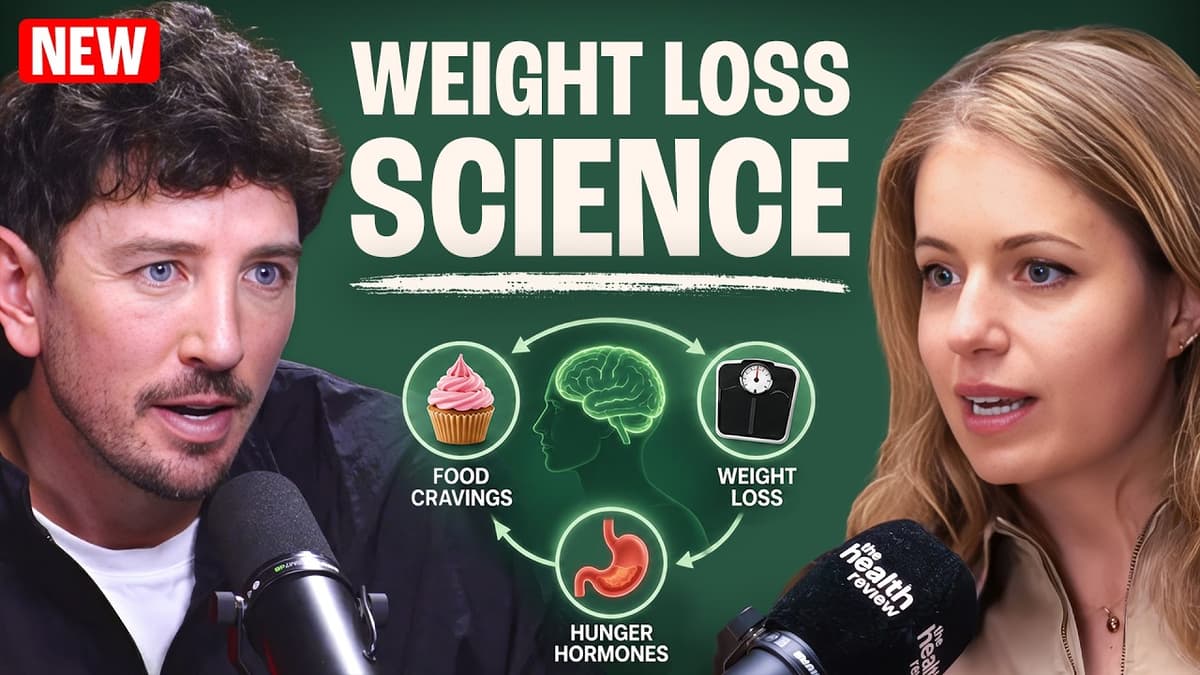
Nutrition Scientist Dr. Federica Amati: Why It's So Hard to Lose Weight and Keep It Off
Dr. Federica Amati, head of nutrition science at Zoe, explains why losing weight and keeping it off remains a biological challenge and how emerging GLP‑1 medications are reshaping the landscape. She frames the conversation around her new book, *The Appetite...
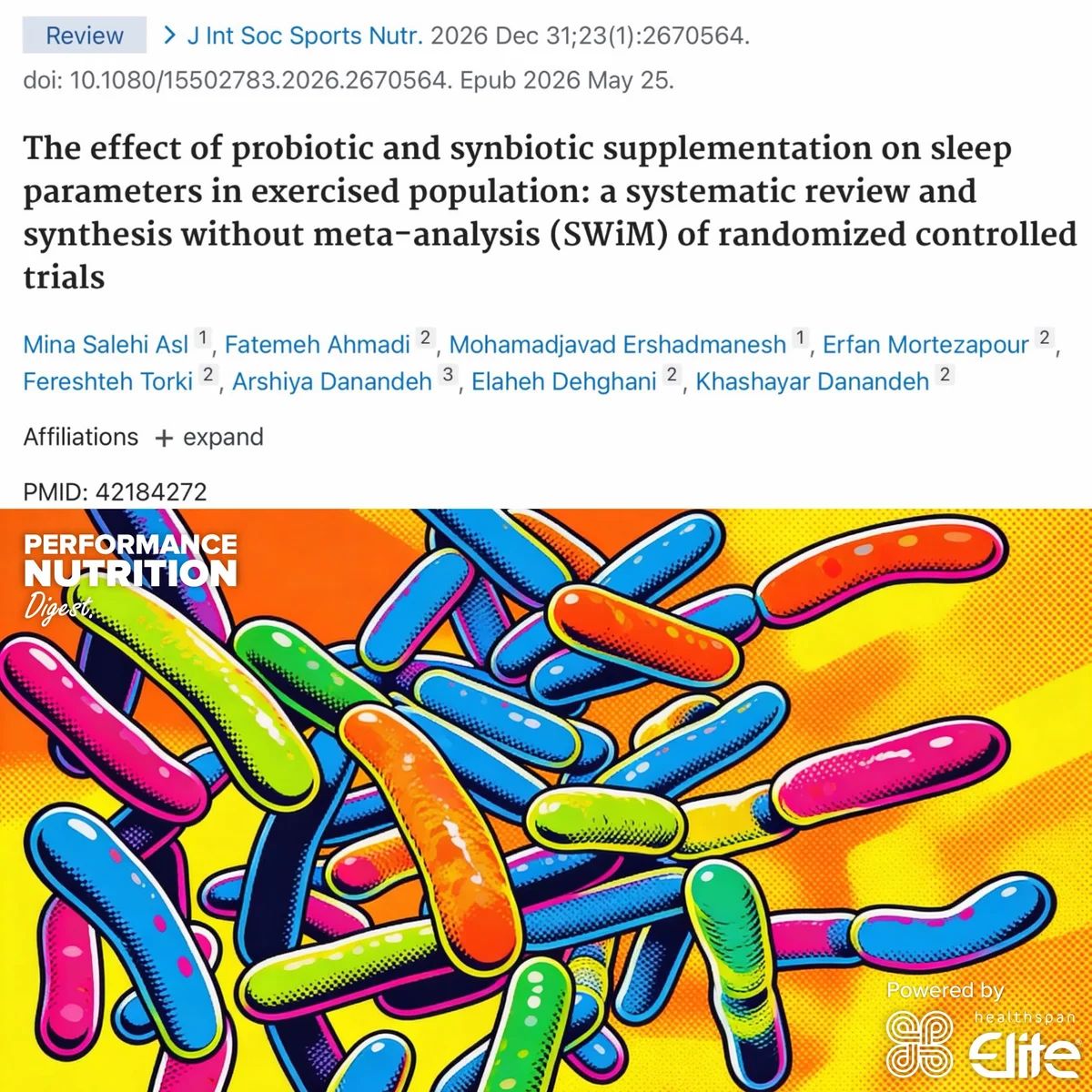
Probiotics Boost Athletes' Sleep Quality and Latency
Biotic supplements improve sleep in athletes 💤 This new meta-analysis compiled data from 6 studies (180 participants) to establish the effects of probiotic and synbiotic supplementation on sleep in athletes 🔍 Here is what they found ⬇️ 🗓️ Interventions lasted 4 -...
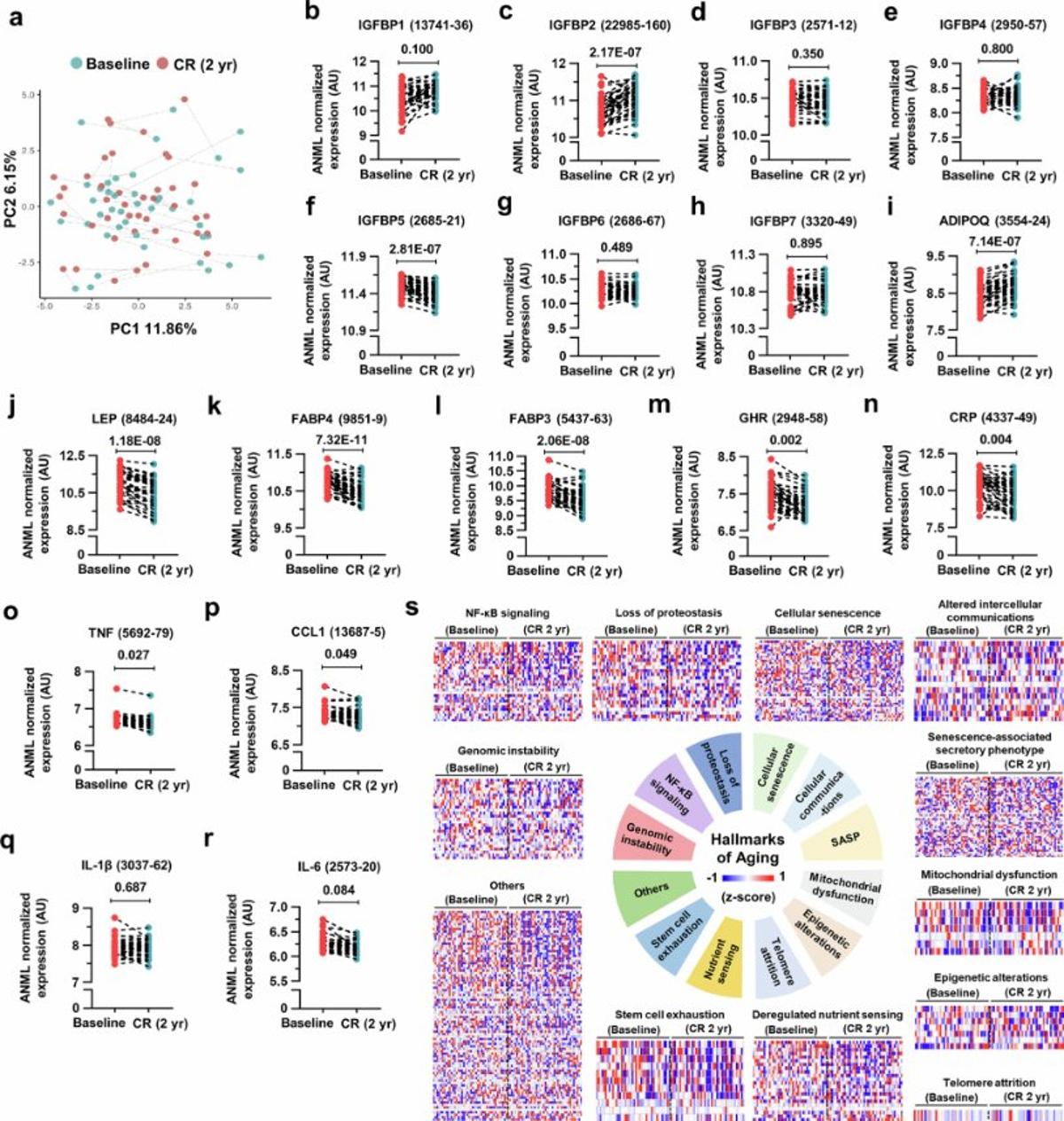
Calorie Restriction Lowers C3a, Curbing Inflammaging
Exoproteome of calorie-restricted humans identifies complement deactivation as an immunometabolic checkpoint reducing inflammaging "complement C3a reduction is a metabolically regulated inflammatory checkpoint that can be harnessed to attenuate inflammaging" https://t.co/UaBPbf7wAe
Starting HRT in Perimenopause (Not Menopause) Could Save Your Bones, Brain, Marriage | Esther Blum
The discussion centers on initiating hormone replacement therapy (HRT) during perimenopause rather than waiting until menopause. Esther Blum argues that the steepest loss of muscle and bone occurs in the final two years of perimenopause, and that estrogen, progesterone, testosterone,...
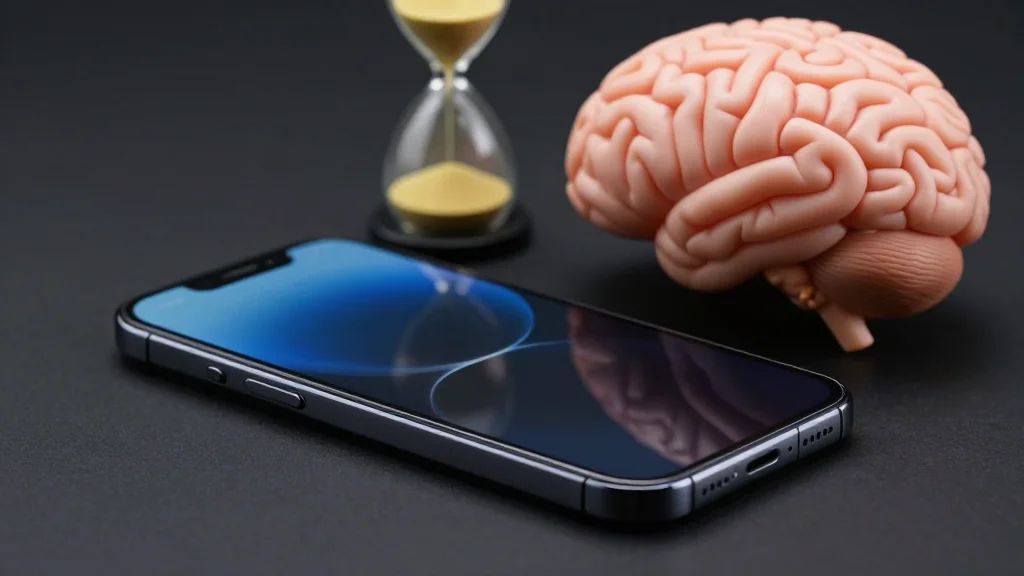
Moderate Screen Time in First 3 Days After Concussion Linked to Teens' Faster Recovery
A new study in the British Journal of Sports Medicine found that teens who limit screen exposure to about 141 minutes per day during the first three days after a concussion recover 35% faster than those with higher usage. The...
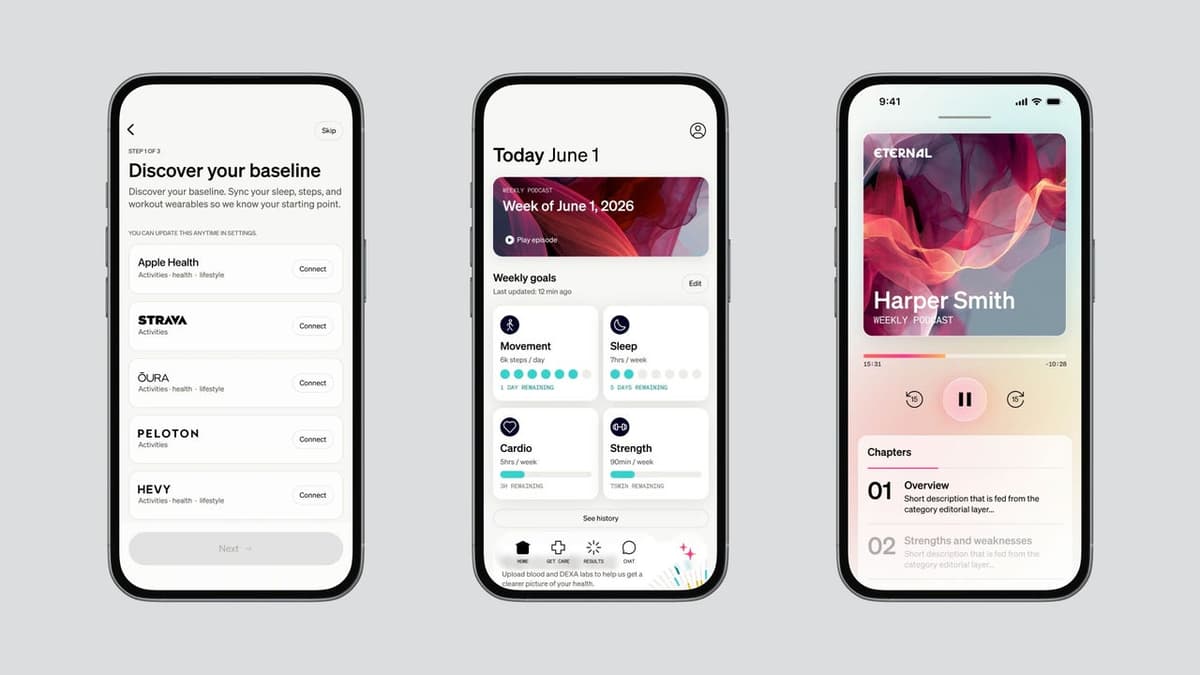
This Health Startup Will Create a Weekly Podcast Just for You—Starring Your Blood Work
Eternal, a health‑and‑longevity startup backed by a $13.25 million seed round, has introduced AI‑generated weekly podcasts that deliver personalized health updates to users. The service pulls data from wearables, blood work, and DEXA scans, then creates a five‑minute audio briefing covering...
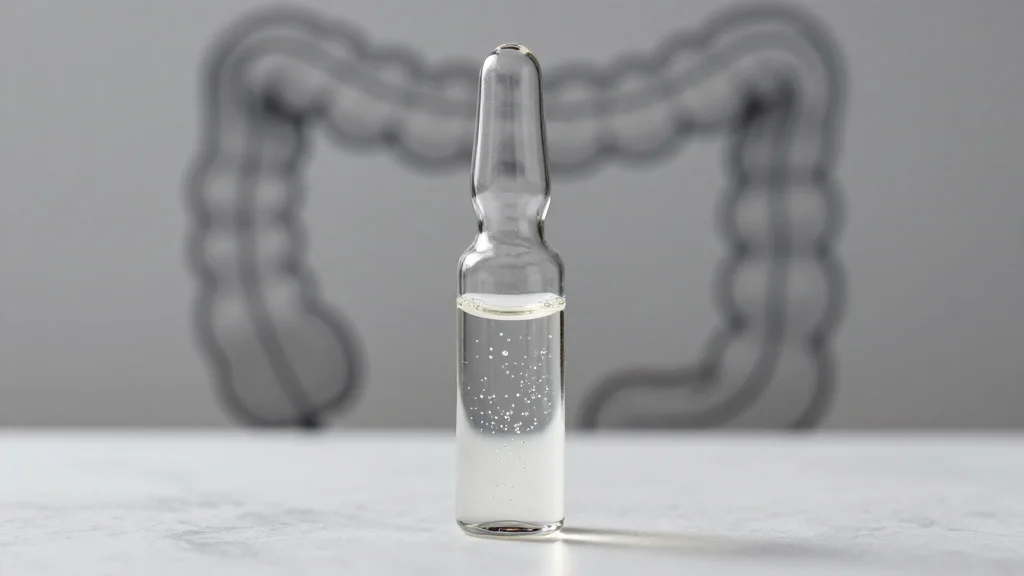
Gut‑Derived Exosomes Transfer Pro‑Aging Signals, Study Finds
Scientists at Marshall University identified gut‑derived exosomes that carry pro‑aging molecules, demonstrating that particles from older mice induce insulin resistance and inflammation when transferred to younger mice, while young‑derived exosomes reverse some age‑related changes in older animals. The discovery points...
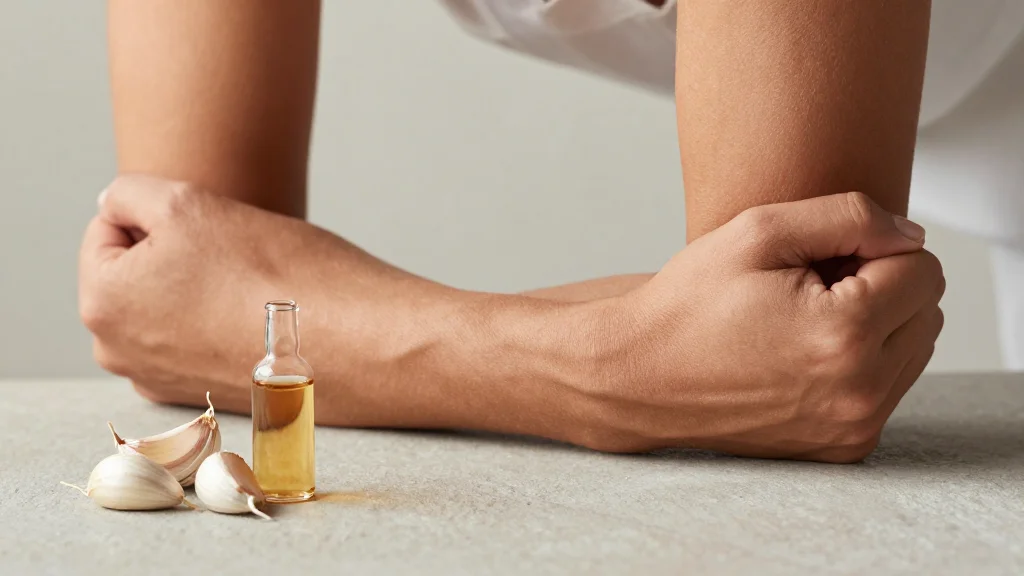
Garlic-Derived S1PC Boosts Muscle Health in Aging Mice, Early Human Data Show
Researchers reported that S-1-propenyl-L-cysteine (S1PC), a sulfur‑containing amino acid from aged garlic extract, improves muscle strength and lowers frailty scores in aged mice and raises circulating eNAMPT in middle‑aged adults. The findings reveal a novel adipose‑brain‑muscle signaling route that could...
MRNA Liver Therapy Reverses Immune Aging in Mice, Study Shows
Researchers delivered mRNA encoding thymic factors DLL1, FLT3L and IL‑7 to the livers of old mice, achieving a transient rejuvenation of the immune system. The treatment enhanced naïve T‑cell output, improved vaccine efficacy and synergized with checkpoint blockade to curb...
Scientists Induce Deep‑Sleep Brain Activity in Awake Mice, Paving Way for Human Cognitive Boosts
A team of neuroscientists demonstrated that brief light‑induced stimulation of one brain hemisphere in awake mice reproduces key deep‑sleep processes, enhancing memory and reducing sleep‑deprivation fatigue. The findings open a potential route to non‑invasive sleep‑mimicking therapies for humans.
David Sinclair Enters $101 Million XPrize with Oral Rejuvenation Drug
Harvard’s David Sinclair confirmed he will launch human trials of an oral “reprogramming” drug, code‑named SL‑100, as part of the XPrize Foundation’s $101 million health‑span competition. The prize rewards teams that can demonstrate a ten‑year improvement in immune, cognitive and muscle...
Low Dose Continuous Rapamycin Favorably Alters the Aging Immune System
Researchers fed aged mice a low‑dose rapamycin diet to assess its impact on immune aging. The regimen did not markedly change overall innate or adaptive immune cell counts, but it significantly curtailed the expansion of IL‑17‑producing γδ T cells, especially...

David Sinclair Plans to Test Whole-Body Rejuvenation Drugs in the XPrize Competition
Harvard biologist David Sinclair plans to test an oral epigenetic reprogramming drug, code‑named SL‑100, in the XPRIZE Healthspan competition, which offers $101 million for teams that can demonstrate a ten‑year functional improvement after a year of treatment. The trial would be...
Early Birds & Night Owls Don't Build Muscle the Same — Science Explains Why
Recent research links chronotype—the body’s natural sleep‑wake preference—to muscle health. Evening‑type individuals experience poorer sleep, irregular eating and lower activity, which together raise the risk of sarcopenia and metabolic disorders. The same studies show that workout timing matters: afternoon or...