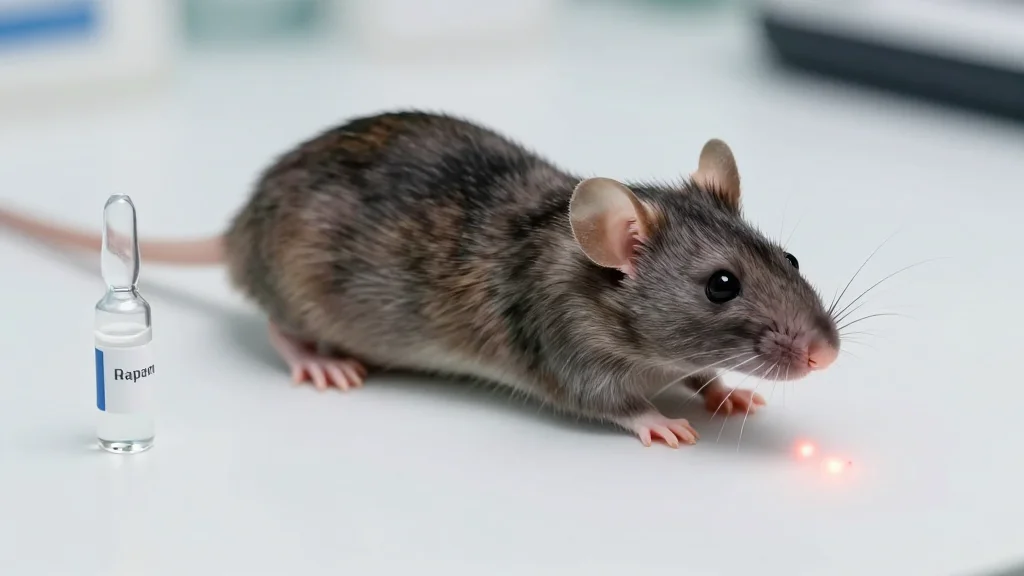
Low Dose Continuous Rapamycin Favorably Alters the Aging Immune System
Researchers fed aged mice a low‑dose rapamycin diet to assess its impact on immune aging. The regimen did not markedly change overall innate or adaptive immune cell counts, but it significantly curtailed the expansion of IL‑17‑producing γδ T cells, especially in the peritoneal cavity. After an endotoxin challenge, rapamycin‑treated mice displayed reduced circulating IL‑17 and a less inflammatory microglial phenotype, indicating attenuated neuroinflammation. These results suggest that continuous low‑dose rapamycin can modulate specific age‑related immune pathways while preserving broader immune function.

Predicting Alzheimers & Dementia (and Minimizing Risk)
Recent epidemiological studies show that high intake of omega‑3 fatty acids from oily fish dramatically lowers dementia risk. The Framingham Offspring cohort found a 49% reduction in Alzheimer’s disease for participants with the highest red‑blood‑cell DHA levels, while a UK...
Towards Small Molecule PAI-1 Inhibitors to Slow Aging
A rare inherited loss‑of‑function mutation in the PAI‑1 gene is associated with roughly a seven‑year increase in human lifespan, highlighting the protein’s role in aging. PAI‑1 drives senescence, fibrosis, metabolic dysfunction, and immune dysregulation, prompting biotech firms to pursue small‑molecule...

Physical Activity and Metabolic Rates in Humans (Paper March/April 2026)
The March/April 2026 review “Physical activity and metabolic rates in humans” evaluates how exercise reshapes whole‑body energy use by contrasting three frameworks: the additive model, the stress/EPOC model, and the constrained‑energy model. By dissecting longitudinal and cross‑sectional data, the authors argue...
Rethinking Insulin Resistance in Aging: A Reserve-Oriented Clinical Framework (Paper July 2026)
A new reserve‑oriented framework redefines insulin resistance in older adults, emphasizing muscle quality, mitochondrial health, and functional biomarkers over simple weight loss. The paper outlines actionable interventions—including SGLT2 inhibitors, senolytic fisetin, intranasal insulin, nicotinamide riboside, and weekly semaglutide—each supported by...

#395 – Brain Lipidology: Understanding APOE, Cholesterol Homeostasis, Alzheimer’s Disease Risk, and the Effects of Lipid-Lowering Therapies on Brain Health |...
In a deep‑dive episode of The Drive, lipidologist Tom Dayspring explains how the brain’s cholesterol system operates largely independent of peripheral lipoproteins. He outlines the roles of apoB, apoA‑I and especially apoE in cholesterol transport, and how APOE genotype drives...

Blood Testing & Biomarker Profiling Clinical Guide: 2026 Medical Standards
2026 clinical standards shift blood testing from reactive panels to high‑resolution, predictive biomarker profiling for longevity medicine. Strong evidence now prioritizes ApoB and Lp(a) for atherosclerotic risk, fasting insulin for early metabolic syndrome, and hs‑CRP for vascular inflammation, while liquid...
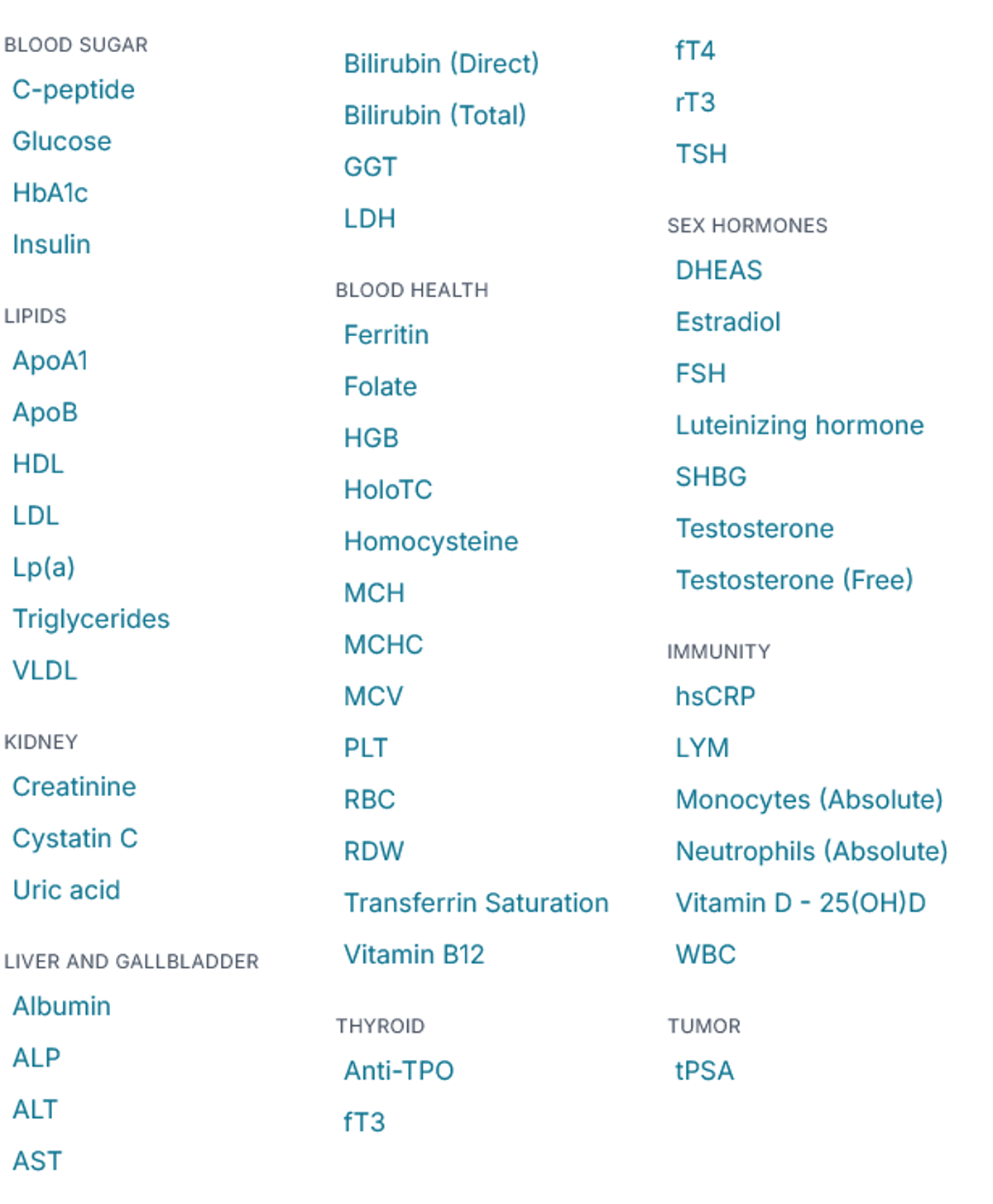
Best Biomarkers and New Biological Age, Bortz Blood Age Calculator (Free)
The Bortz Biological Age Clock, built on UK Biobank data from over 306,000 participants, leverages 25 blood biomarkers to estimate physiological age. Using an elastic‑net Cox regression and an actuarial conversion, the model achieves a concordance index of 0.778, surpassing...
Dasatinib and Quercetin as Senolytic May Cause Brain Damage
Dr. Natalia Mitten argues that total white‑blood‑cell counts mask age‑related immune shifts, making high‑resolution profiling of T‑cell p16^INK4a and TCF7 essential for assessing Immune Resilience (IR). Her SapereX "Hexagon" model links six immune domains to a composite Immune Longevity Score,...
The Beginning of the End of Atherosclerosis?
PCSK9 inhibitors have dramatically lowered LDL‑C and cardiovascular events, but require ongoing dosing. Eli Lilly’s VERVE‑102 uses base‑editing gene therapy to permanently disable the PCSK9 gene, delivering a single intravenous infusion. In a Phase I study of 35 high‑risk patients, LDL‑C fell...
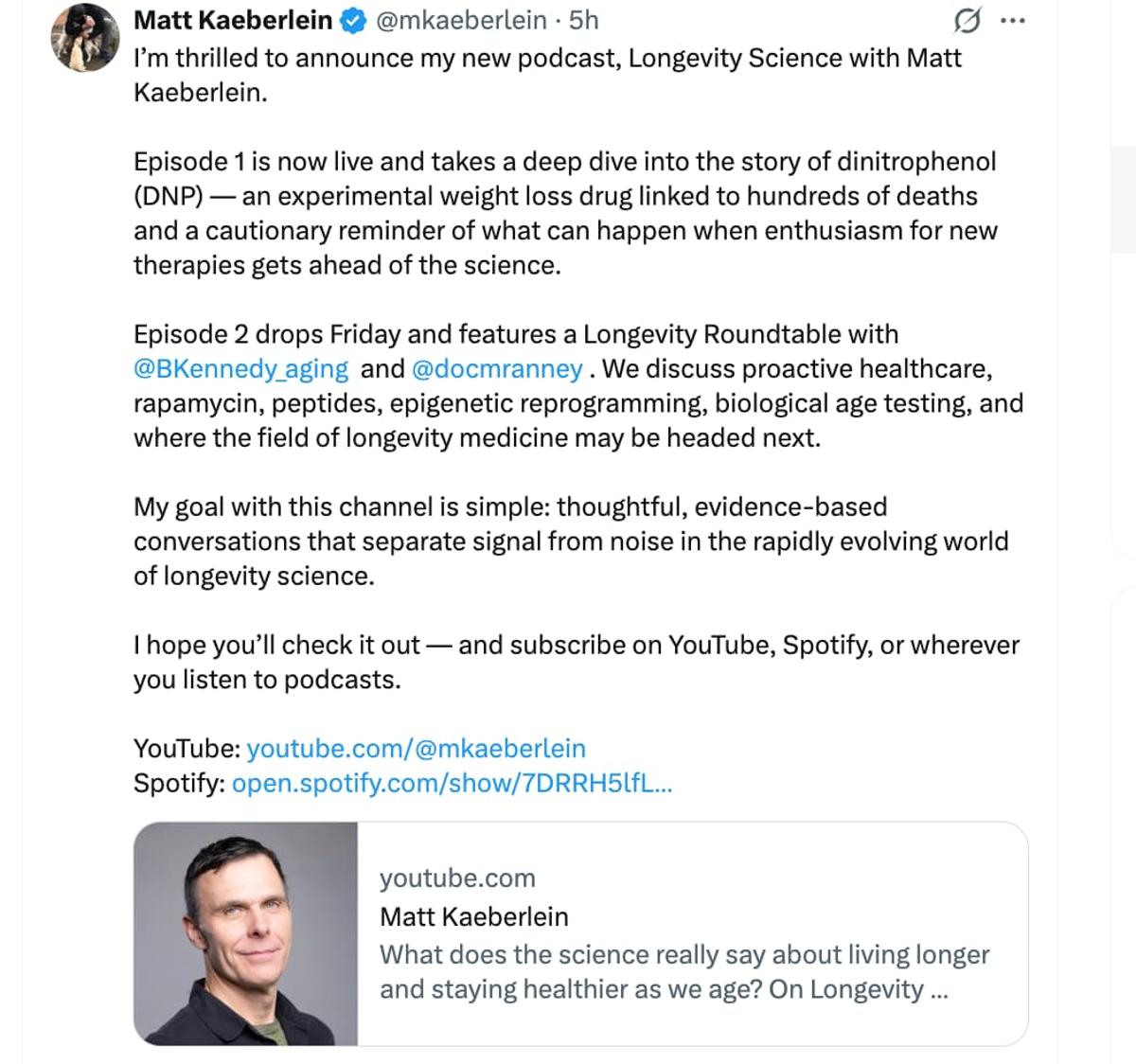
Matt Kaeberlein's New Longevity Science Podcast / Youtube Channel (May, 2026)
Matt Kaeberlein and Brian Kennedy introduced LinAge, a second‑generation mortality‑risk clock built on standard clinical chemistry panels, positioning it as a reproducible alternative to first‑generation DNA‑methylation clocks. They highlighted the technical instability and lack of clinical actionability of epigenetic clocks,...

A Bat-Inspired View of Greater Human Longevity
Bats defy conventional size‑based lifespan expectations, living far longer than comparable mammals thanks to a suite of cellular and immune adaptations. Researchers have distilled these traits into the Core Longevity State Vector (CLSV‑6), a six‑component immunotype that emphasizes damage tolerance,...
A Cross-Species Transcriptomic Aging Clock
Researchers combined more than 11,000 transcriptomes from mouse, rat, macaque and human tissues to create a cross‑species transcriptomic aging clock. The model accurately predicts chronological age, time‑to‑death and mortality‑linked disease risk, uncovering conserved gene signatures such as CDKN1A and LGALS3....
The Inflammation Paradox: Why Molecular Swapping in the IL-6 Pathway Dictates Human Lifespan
Statins lower circulating interleukin‑6 (IL‑6) through cholesterol‑independent, pleiotropic actions that inhibit prenylation of Rho‑family GTPases and suppress NF‑κB signaling. A network‑meta‑analysis ranking shows atorvastatin achieving the greatest IL‑6 reduction (35‑44%), while rosuvastatin’s effect ranges from negligible to 56% depending on...

Is Poor Sleep to Blame for Low Testosterone?
Sleep is a primary driver of testosterone production, with 70‑90% of daily hormone output occurring during nightly rest. A University of Chicago study showed that limiting sleep to five hours for a week drops testosterone by roughly 15%, equivalent to...