
Norepinephrine: Focus, Stress, Genetics, and Brain Function
Norepinephrine functions both as a brain neurotransmitter that drives focus, attention and motivation, and as a hormone that regulates blood pressure and heart rate during stress. It is produced primarily in the locus coeruleus, where its release activates α1, α2 and β adrenergic receptors to fine‑tune neural circuits. Synthesis proceeds from tyrosine through dopamine via the enzyme DBH, while the norepinephrine transporter (NET) clears about 90% of released NE and is a major pharmacologic target. Genetic variants in DBH, SLC6A2, MAOA and COMT shift baseline NE levels and are linked to conditions such as ADHD, depression, Alzheimer’s, Parkinson’s, ME/CFS and POTS.

Dr Brian Kennedy – Validating Aging Interventions and Why Rapamycin Is the Gold Standard
Singapore’s government is partnering with Prof. Brian Kennedy’s laboratory to launch the nation’s first human longevity studies, beginning with exercise and supplement protocols. A rapamycin trial is slated for early 2023, involving about 80 volunteers over six months and will...
Crémieux: Viagra for Life Extension Does It Work? I'm Doubtful
Recent Mendelian‑randomisation studies indicate that genetically proxied inhibition of phosphodiesterase‑5 does not lower Alzheimer’s risk and may modestly increase odds of Alzheimer’s and Lewy‑body dementia. Observational research, however, reports up to a 70 % reduction in Alzheimer incidence among Viagra users,...

The Mushroom Molecule That May Rewrite Aging: Ergothioneine Emerges as a Multi-Target Geroprotector
A new systematic review in Ageing Research Reviews positions ergothioneine (ET), a sulfur‑rich amino acid abundant in shiitake and other mushrooms, as a multi‑target geroprotector. The paper outlines how the OCTN1 transporter delivers ET to vulnerable organs and links its...
How Selegiline ((-)-Deprenyl) Slows Brain Aging
Selegiline is an FDA‑approved monoamine oxidase‑B inhibitor used alongside levodopa for Parkinson’s disease and as an adjunct for major depressive disorder. At the standard 10 mg daily dose it selectively blocks MAO‑B, raising dopamine levels and mitigating motor symptoms. Recent pharmacokinetic...

#394 ‒ Sleep Pharmacology: The Role of Medications in Healthy Sleep, the Promise of Emerging Therapies, and the Evidence for...
In a deep‑dive episode, Peter Attia examines sleep pharmacology, positioning prescription drugs as targeted tools rather than the primary solution for insomnia. He outlines the four core drivers of sleep problems—pressure, circadian timing, hyperarousal, and architecture—and matches each medication class...
Siim Land: Biohacking Longevity, Health Span Truths & Cutting Through the Noise
Stanford geneticist Dr. Michael Snyder’s 13‑year multi‑omic study shows human aging is non‑linear, with two major molecular inflection points at roughly ages 44 and 60. About 81 % of tracked transcripts, proteins, metabolites, lipids and microbiome features shift dramatically at these...
Turning Back Time: A Comprehensive List of Interventions that Decrease Next-Generation Epigenetic Aging Clocks in Humans
A systematic review in Frontiers in Genetics evaluated 41 human trials to see which interventions move next‑generation epigenetic aging clocks such as GrimAge, OMICmAge and DunedinPACE. The analysis found that GLP‑1 agonist semaglutide, FTC/TAF, omega‑3 supplementation and lifestyle changes like...
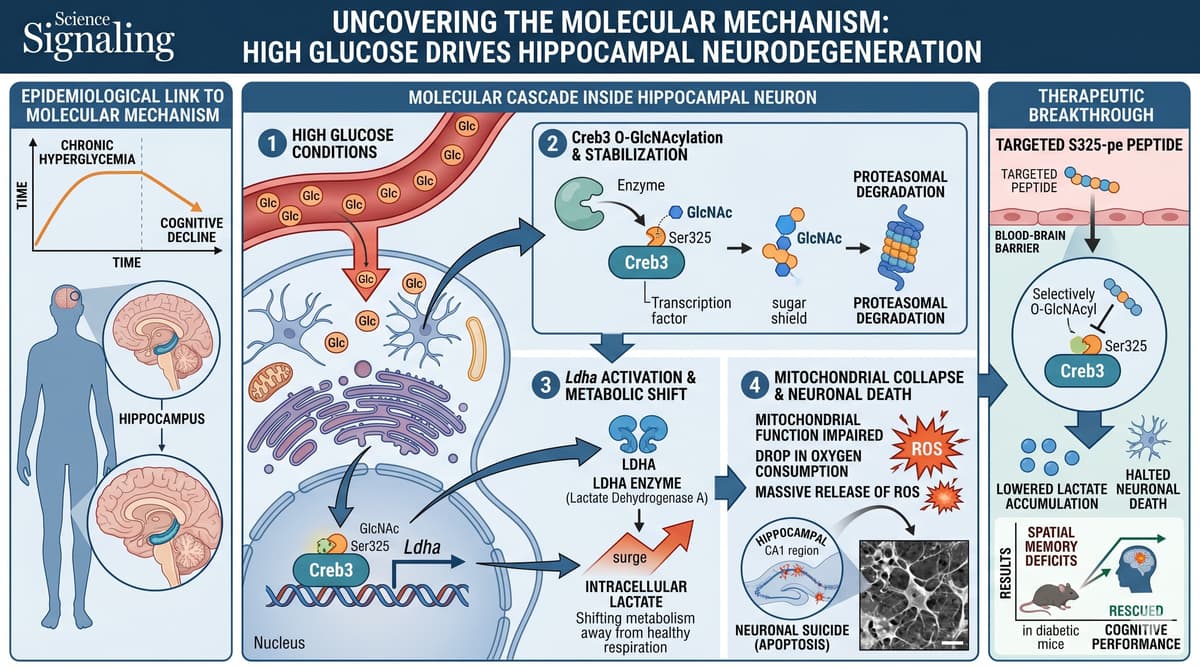
The Sugar Brain Drain: How Diabetes-Induced Lactate Accumulation Triggers Cognitive Decline
A new study in Science Signaling reveals that chronic high blood sugar drives a metabolic cascade in hippocampal neurons, leading to excess lactate production and cognitive decline. The researchers identified O‑GlcNAcylation of transcription factor Creb3 at Ser325 as the trigger...
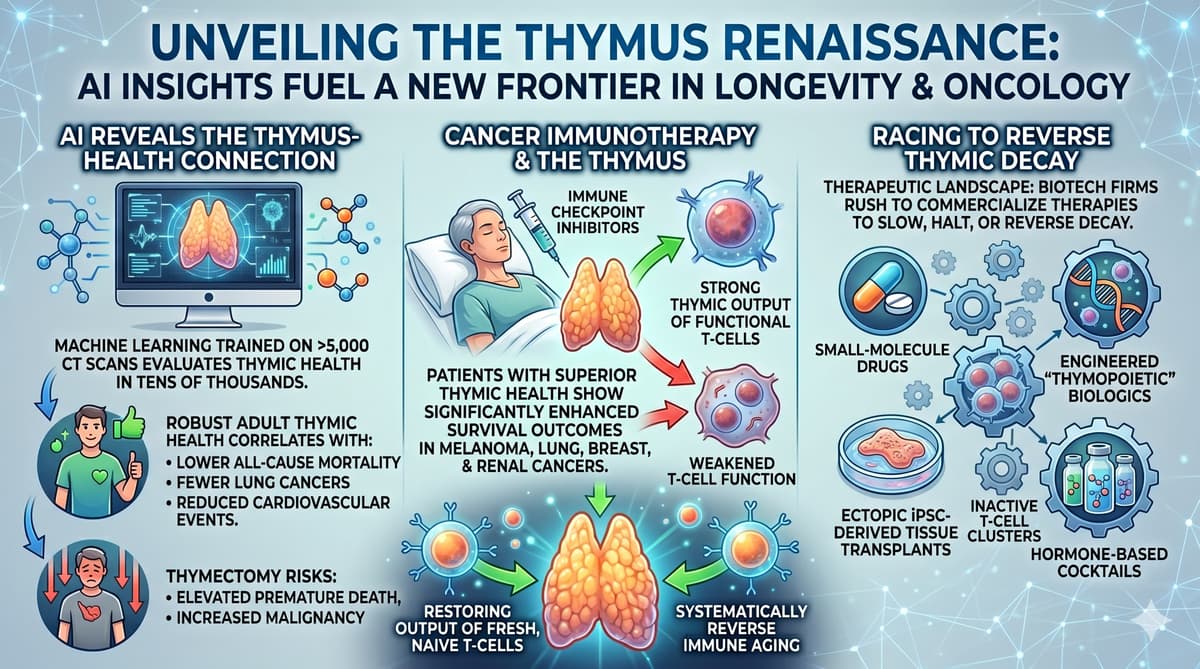
The Thymus Renaissance: Reawakening the Body's Forgotten Immune Engine for Longevity
Decades of belief that the adult thymus is vestigial have been overturned by large‑scale AI analyses of thousands of CT scans, which show that preserved thymic tissue strongly predicts lower all‑cause mortality, fewer lung cancers, and reduced cardiovascular events. A...
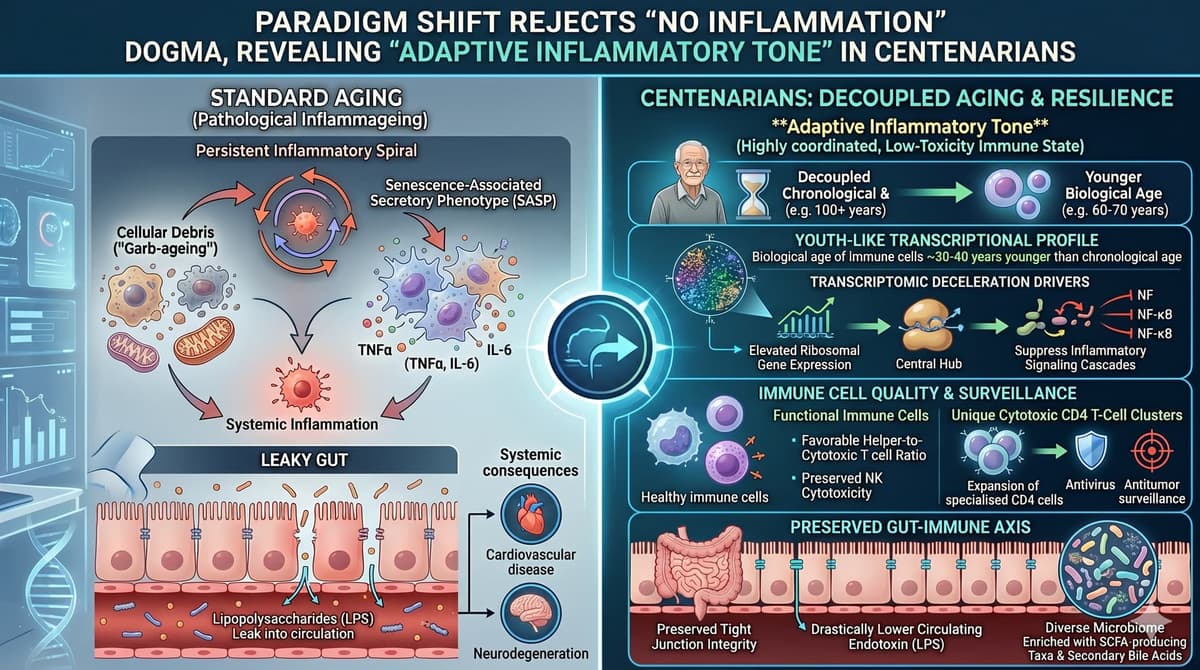
The Century-Old Immunome: Learning From the Adaptive Shield of Human Centenarians
The article outlines translational strategies to mimic centenarians’ elevated RNASEH2C activity, which clears cytoplasmic RNA:DNA hybrids and dampens chronic inflammation. It proposes four therapeutic levers: epigenetic maintenance to prevent RNASEH2C hyper‑methylation, delivery of centenarian‑derived extracellular vesicles, upstream protection of mitochondrial...
Resistance Training: Lowering the Barrier to Entry
Resistance training is essential for healthy aging, yet most adults avoid it because conventional programs demand heavy loads, frequent sessions, and training to failure. A 2023 meta‑analysis of 192 studies on untrained adults found that a moderate‑load, multiple‑set routine performed...

My Father Had Severe Emphysema. Doctors Gave Him 6 Months to Live — 20 Years Ago.
Twenty years ago, Valérie Orsoni's father was diagnosed with severe emphysema and given a six‑month life expectancy. Defying that prognosis, he has now reached age 85, no longer relies on CPAP or nightly supplemental oxygen, and maintains 96‑97% oxygen saturation...
This Single Dietary Shift Cuts Cellular Damage By 25% (Modern Healthspan)
Researchers at USC published a cross‑sectional study in Frontiers in Nutrition showing that high adherence to a traditional Mediterranean diet markedly raises circulating mitochondrial‑derived peptides Humanin and SHMOO in older adults with atrial fibrillation. Participants with the highest diet scores...
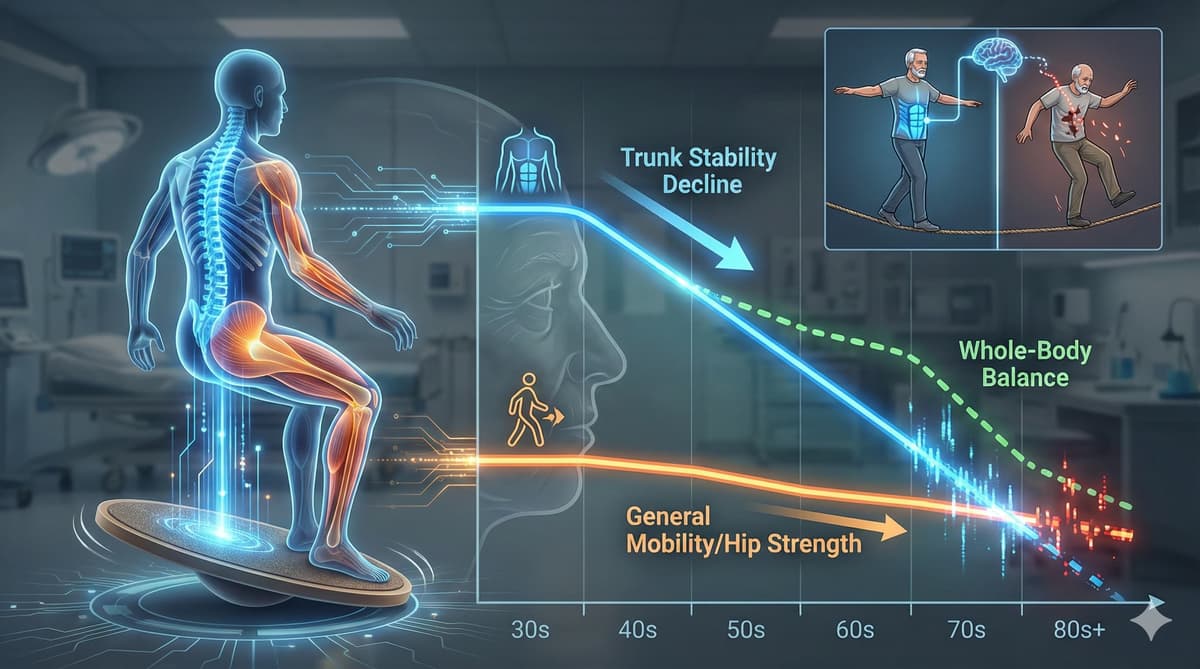
Core Stability: The Silent Biomarker of Aging That Outpaces Mobility and Strength
A new “Neuromuscular Core Calibration” protocol recommends unstable‑surface training to restore age‑related loss of core proprioception. Meta‑analyses define a minimum effective dose of 2–3 weekly 20‑30‑minute sessions over six weeks, delivering measurable balance gains within 2–4 weeks and muscle density...

He Trains MVPs and UFC Champions. His Advice for the Rest of Us Is Shockingly Simple.
Dr. Andy Galpin, a leading performance scientist, turned a Two Percent writer into a lab subject before an 850‑mile hike, collecting blood, saliva and urine samples before, during and after the trek. The data revealed dramatic, weeks‑long shifts in hormones,...

How Breathing Shapes Sleep, Stress, Performance, & Longevity | Patrick McKeown
In the Ready State Podcast, breathing specialist Patrick McKeown explains how the 20,000 daily breaths we take shape sleep quality, stress levels, athletic performance, and long‑term health. He reveals that most people chronically over‑breathe, reducing CO₂ tolerance and impairing the nervous...

You Are What Your Parents Eat
The article argues that a child’s health is shaped not only by what they eat, but also by the dietary habits of their parents before and during pregnancy. It highlights historical practices—such as Maori women seeking nutrient‑dense shellfish—and modern research...
Matt Kaeberlein's New Longevity Science Podcast / Youtube Channel (May, 2026)
Dr. Matt Kaeberlein’s Longevity Science podcast provides a biochemistry‑focused audit of the burgeoning peptide market, clarifying that true peptides are short amino‑acid chains and excluding compounds like NAD+ and rapamycin. He evaluates leading peptides—synthetic mitochondrial agent Elamipretide and the popular...
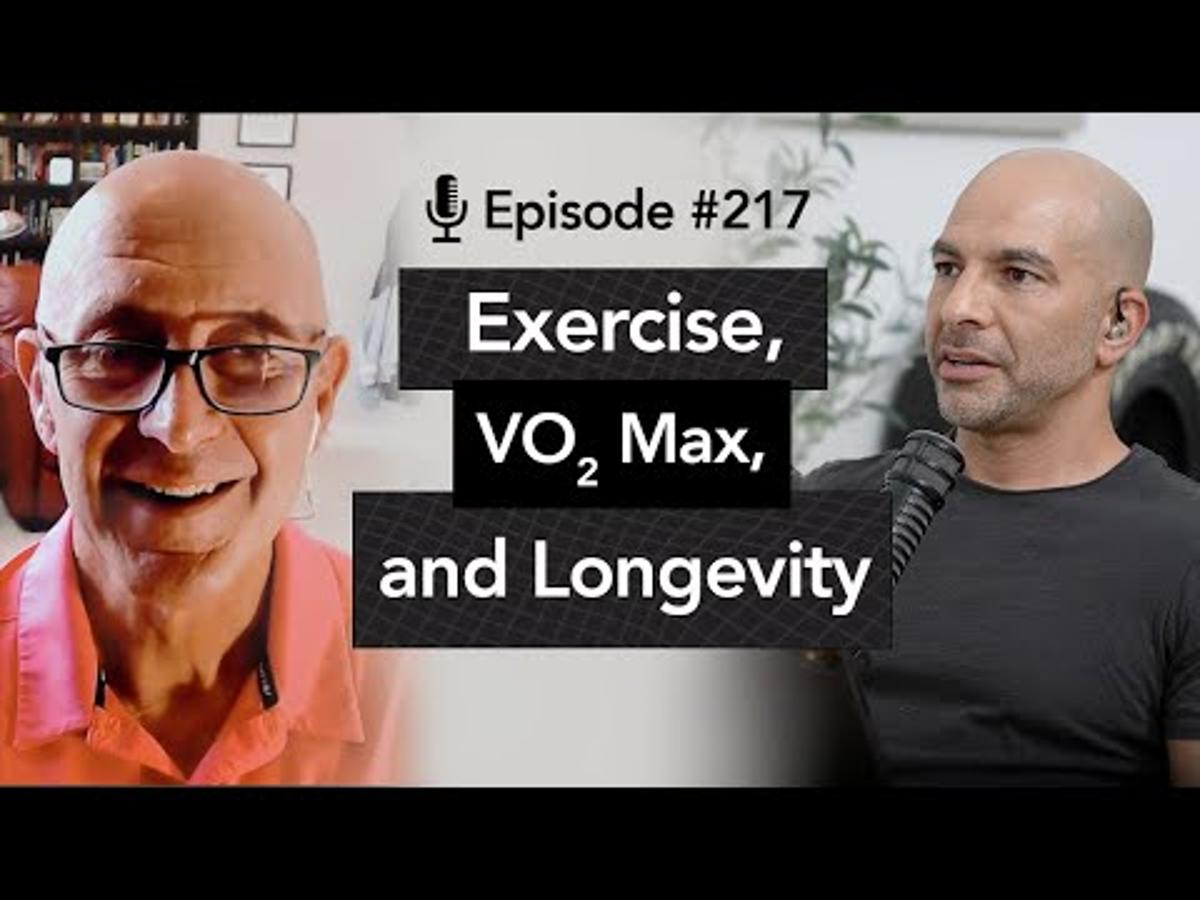
Exercise, VO2 Max, and Longevity | Mike Joyner, M.D
The video reviews major HIIT protocols, comparing supramaximal sprint intervals, longer high‑intensity bouts, and low‑volume “exercise snacks.” It finds that longer intervals (e.g., the Norwegian 4x4) drive superior cardiac remodeling, while the Gibala 1‑minute method offers the best balance of...
Growth Hormone for Musculoskeletal System Repair
Human growth hormone (hGH) is heavily promoted for tissue repair, anti‑aging and performance enhancement, yet robust clinical evidence in non‑deficient adults is lacking. While GH replacement is effective for documented deficiency and severe catabolic states, trials show only modest, inconsistent...

Reviewing What Is Known of Mechanisms Driving Individual Variation in Longevity
The review examines why individuals age at different rates, highlighting the interplay of genetics, epigenetics, and environment. It contrasts accelerated‑aging disorders with the biology of centenarians to pinpoint protective and deleterious variants. Emerging mechanisms such as hypoxic adaptation, chromatin remodeling,...
Oral Peppermint Oil Rapidly Deflates Blood Pressure and Heart Rate in Clinical Trial
A randomized, placebo‑controlled trial of 40 unmedicated adults with pre‑ or stage 1 hypertension found that 100 µL of oral peppermint oil taken daily for 20 days lowered systolic pressure by 8.48 mmHg, diastolic by 4.57 mmHg, and resting heart rate by 8.92 bpm. The intervention...
Lifestyle Strategies and Mechanistic Implications for Slowing Neurodegeneration (Paper March 2026)
A 2026 narrative review in npj Metabolic Health and Disease by Gunning et al. evaluates four lifestyle interventions—intermittent fasting/ketogenic metabolic switching, calorie restriction, high‑quality diets (Mediterranean/MIND/DASH), and exercise—as strategies to slow neurodegeneration, especially Alzheimer’s disease. The authors map each intervention to...
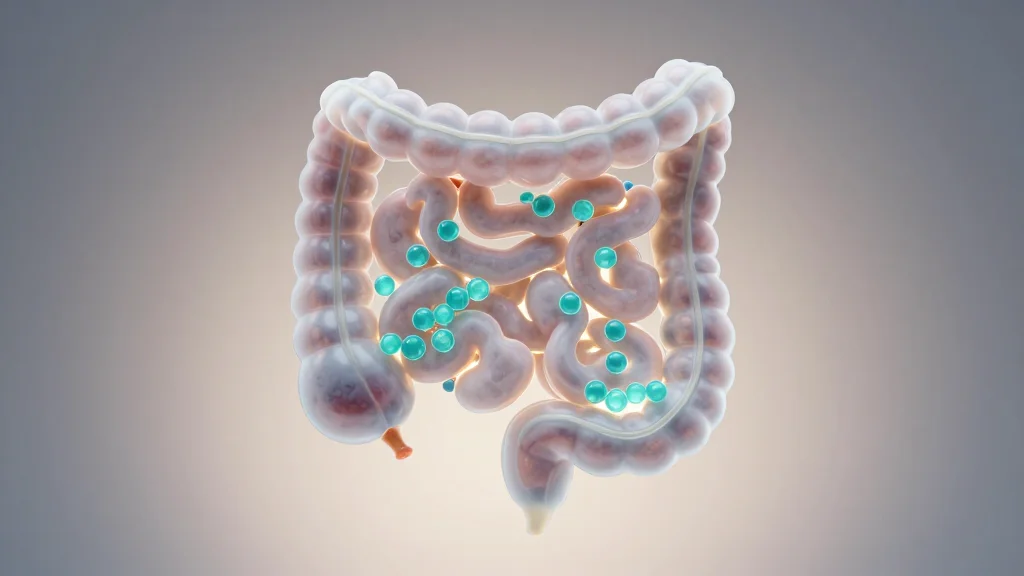
The Aged Gut Microbiome Generates Extracellular Vesicles that Harm Tissue Function
Researchers identified that extracellular vesicles—specifically gut luminal exosomes (LFEs)—from aged mice carry proteins and microRNAs that impair intestinal barrier integrity and promote insulin resistance. Multi‑omic profiling revealed distinct age‑ and sex‑dependent cargo signatures, with old‑derived LFEs triggering metabolic dysfunction when...
TPE Long-Term Effects in Healthy Elderly Same as Sham
A 2025 Aging Cell trial of therapeutic plasma exchange (TPE) with and without IVIG in 42 healthy adults over 50 showed a modest 2.6‑year biological‑age reduction at the mid‑point but no significant difference versus sham at the final assessment. The...
KHL Foundation Launches a Medical Tourism Gene Therapy Program for Older Patients
The KHL Foundation, founded by longevity veterans Ken Scott and Helga Sands, has launched a medical‑tourism program that offers a gene‑therapy cocktail to people over 60. The Rejuvenation Cocktail combines intramuscular follistatin with intranasal klotho and SIRT1, targeting muscle, brain...

Drug-Induced Depletions: Medications and Missing Micronutrients
Prescription drugs that treat chronic conditions often trigger silent micronutrient depletion, affecting vitamins such as B12, B6, D and minerals like magnesium and zinc. The effect intensifies when patients carry genetic variants that impair nutrient metabolism, as seen with metformin‑induced...

Can Breath Training Improve Your VO2 Max? Here's What the Research Says
VO2 max remains the gold‑standard metric for aerobic capacity, yet many athletes hit a plateau despite increasing mileage or intensity. Recent research shows that inefficient breathing—especially chronic over‑breathing and mouth breathing—can suppress oxygen delivery by lowering carbon dioxide levels, which...

Higher Predicted Age by a Metabolomic Aging Clock Correlates with Dementia Risk
Researchers applied a metabolomic aging clock (MileAge) to 223,496 UK Biobank participants and found that a higher metabolomic‑age delta predicts a 61% increase in all‑cause dementia risk and earlier disease onset. The hazard ratio for dementia rose to 1.61 per...

Lifting Weights While Pregnant: What the Science Actually Says
Recent meta‑analyses overturn the old belief that pregnant women should avoid weightlifting, showing that strength training markedly improves both maternal and fetal outcomes. Resistance exercise cuts the odds of C‑section by 16%, gestational hypertension by 58%, gestational diabetes by 38%,...

Defying Death: The Immortality Movement Goes Mainstream
The longevity movement, once confined to ultra‑wealthy circles, is breaking into mainstream investment. Investor Boyang Wang, backing Vibe Science, highlights a new wave of bold research, including the controversial concept of brainless clones that could receive brain transplants. Venture capital...
GHK-Cu Rescues Cigarette Smoking‐induced Skeletal Dysfunction via Sirt1
The so‑called Glow Protocol mixes GHK‑Cu, TB‑500 and BPC‑157 into a sub‑cutaneous blend marketed by clinics as an anti‑aging treatment. No peer‑reviewed human trials exist for this injection regimen; the evidence base consists mainly of animal studies and topical human...
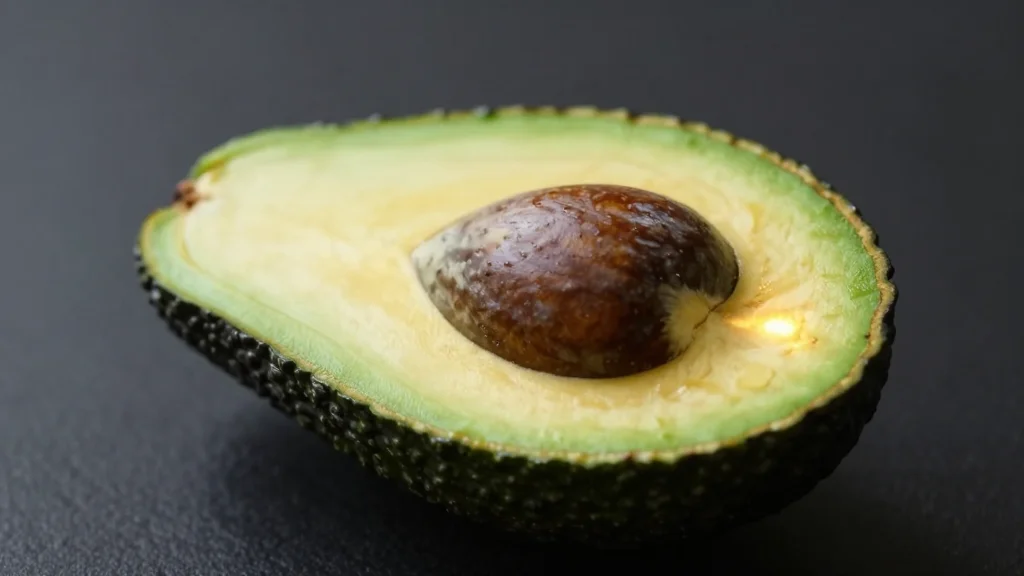
Dietary Change Can Shift the Klemera-Doubal Method Aging Clock by a Few Years
Researchers evaluated whether a short‑term dietary shift could move the Klemera‑Doubler Method (KDM) biological‑age clock. In a 4‑week trial with 104 adults aged 65‑75, participants were assigned to high‑fat or high‑carb omnivore and semi‑vegetarian diets. The high‑carb omnivore group showed...
#392 – Genetic Testing: When It’s Valuable, How to Choose the Right Test, and What to Do with the Results
Peter Attia breaks down the hype and reality of genetic testing, explaining that while DNA sequencing is now cheap and widely available, its ability to predict disease risk is often probabilistic rather than deterministic. He highlights scenarios where testing can...
Too Much or Too Little Sleep May Speed Aging in Brain, Heart, and Lungs
A large observational study of more than half a million adults found that sleeping between 6.4 and 7.8 hours per night is associated with slower biological aging, reduced risk of cardiovascular, pulmonary and neurodegenerative disease, and longer lifespan. Participants who...
Olive Oil and Coffee May Slow Ageing, Study Suggests
Researchers have found that diets high in polyphenol‑rich foods such as olive oil, coffee, berries, and cocoa can slow age‑related DNA changes and reduce wrinkle formation. The study observed that participants consuming large amounts of these antioxidants exhibited fewer markers...

HuR Inhibition in Platelets Attenuates Degenerative Aging in Mice
Researchers discovered that the RNA‑binding protein HuR drives age‑related platelet inflammation. By genetically deleting HuR only in platelets of old mice, they suppressed platelet‑secreted pro‑inflammatory factors, reduced cellular senescence, and limited platelet infiltration in multiple organs. The intervention restored physical...
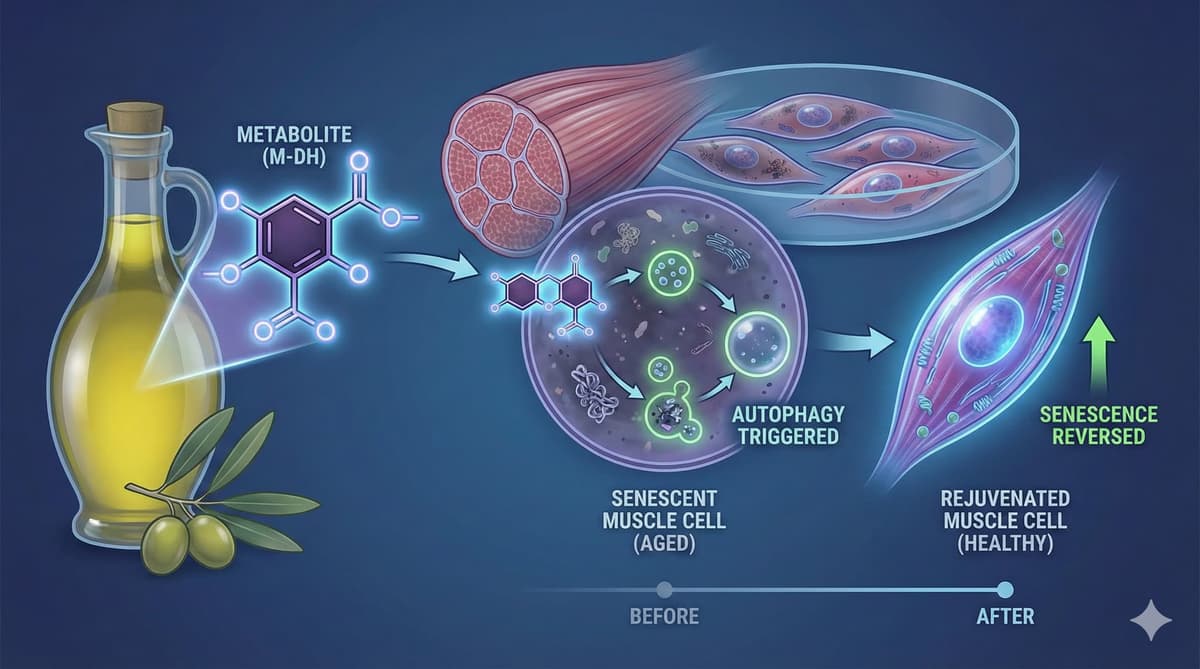
Olive Oil’s "Dark Horse" Metabolite Triggers Autophagy and Reverses Senescence in Human Muscle
Researchers at the University of Udine and Sorbonne Université identified Oleuropein Aglycone (OLE), a polyphenol in extra‑virgin olive oil, as a potent activator of the AMPK‑FOXO3a‑Sestrin pathway in human skeletal‑muscle cells. In vitro experiments showed a 43% reduction in reactive oxygen...
Dr. Jeffrey Bland, Father of Functional Medicine, on Inflammation and Longevity
In the latest Ready State Podcast, Dr. Jeffrey Bland—widely hailed as the father of functional medicine—explores a systems‑based view of health that prioritizes root causes over isolated symptom treatment. He highlights a simple, $6 CBC differential test that can reveal...
Magnesium-Acetyl-Taurate Superior to Magnesium L-Threonate? Recent Study Poinst to This Being True
A recent pre‑clinical rat study compared magnesium‑acetyl‑taurate (MAT) with magnesium L‑threonate (MLT) and found MAT superior in raising magnesium concentrations in brain tissue, blood plasma, cerebrospinal fluid, and muscle. MAT also delivered greater gains in spatial learning, memory, anxiety‑related behavior,...

Is Longevity a $1.2 Quadrillion Opportunity?
Peter Diamandis released the 2026 Longevity Metatrend Report, a free 200‑page analysis of the rapidly advancing health‑span sector. The report highlights breakthroughs such as human trials of partial epigenetic reprogramming, AI‑engineered proteins achieving 50‑fold efficacy gains, and the first pig‑organ...

Fasting-Mimicking Diet Clinical Trial Led to 2.5 Years of Reduced Biological Aging, 12.5 Years Increase I Max Life Expectancy if...
A recent clinical trial of a fasting‑mimicking diet (FMD) reported a 2.5‑year reduction in biological age and, if sustained for two decades, a projected 12.5‑year increase in maximum life expectancy. Participants in online forums describe lower hsCRP, improved heart‑rate variability,...

How the Collapse of Nitric Oxide Signaling Accelerates Aging
A recent audit of commercial fermented beetroot powders uncovers major standardization gaps in fermentation methods, nitrate and betalain quantification, and drying processes. The analysis ranks five popular brands by cost per 100 mg of powder, showing Better Health as the cheapest...

Dietary Advanced Glycation End Products as Active Drivers of Biological Aging
Advanced glycation end products (AGEs) formed during high‑heat, dry cooking are now recognized as active drivers of biological aging rather than passive biomarkers. Dietary AGEs (dAGEs) cross‑link proteins and activate the RAGE‑NF‑κB axis, promoting oxidative stress, vascular stiffening, impaired bone...
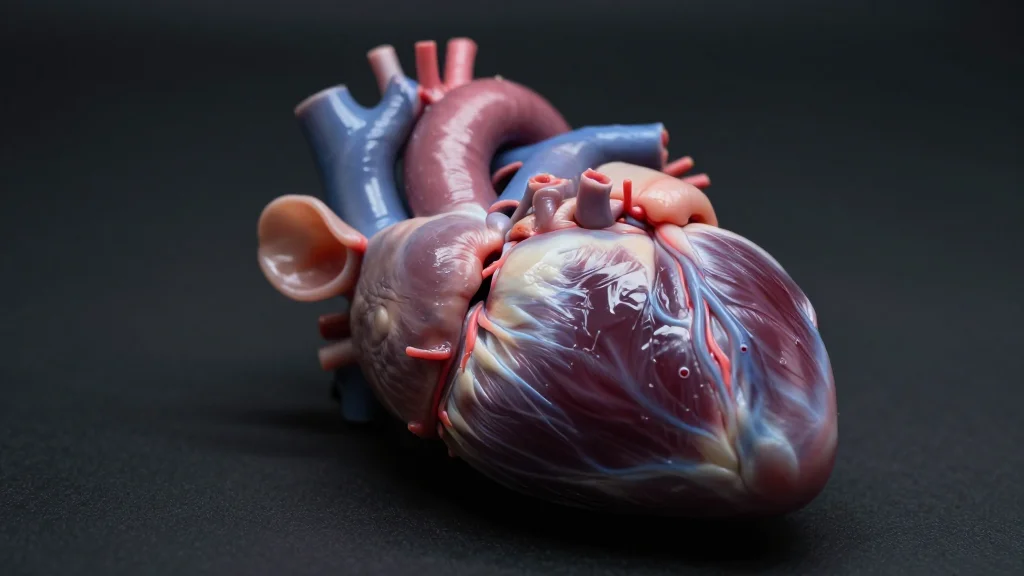
Evidence for Sleep Apnea to Accelerate Vascular Aging via Increased Cellular Senescence
Researchers modeled obstructive sleep apnea by exposing C57BL/6J mice to intermittent hypoxia. The exposure rapidly increased epigenetic age acceleration and p16‑positive senescent cells in vascular tissue. Mice developed higher systolic and diastolic pressure and endothelial dysfunction. Systemic removal of p16‑expressing...

Microgravity as a Model of Aging
Researchers used simulated microgravity in a rotating‑wall vessel bioreactor to expose peripheral blood mononuclear cells from participants in the Stanford 1,000 Immunomes Project. Whole‑genome transcriptomic and metabolic profiling showed that microgravity‑induced changes closely track natural aging trajectories across immune, metabolic,...

Fertility
The post recounts how couples struggling with infertility experienced successful pregnancies after eliminating processed foods, chemicals, and fast‑food staples in favor of whole, ancestral foods like grass‑fed meat, bone broth, raw milk, and seasonal produce. An interview at the Rogue...
The Adiponectin Paradox: Fat’s Secret Longevity Signal or a Bio-Marker of Decline?
Adiponectin, a hormone secreted by fat cells, is celebrated for its anti‑inflammatory and insulin‑sensitizing effects, yet epidemiological data reveal a paradox: while centenarians exhibit high levels, elevated adiponectin in most older adults correlates with higher mortality and frailty. Researchers attribute...