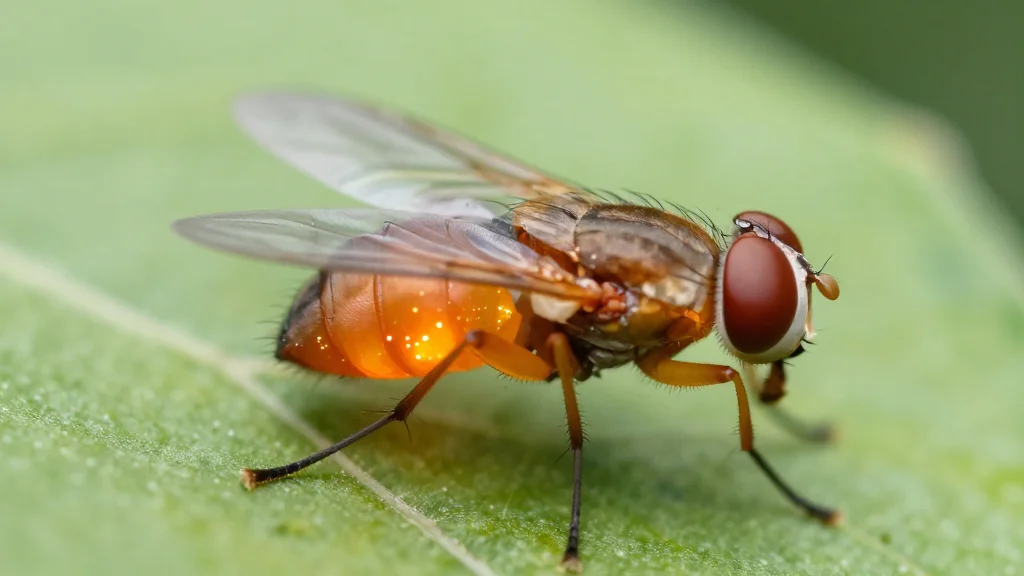
The Gut Microbe in INDY Related Longevity in Flies

Key Takeaways
- •Indy heterozygotes show lower bacterial load, higher diversity with age
- •Lifespan extension persists without microbiome, but germ‑free conditions amplify effect
- •Reduced JAK/STAT ligands Upd2/Upd3 link Indy to stem cell homeostasis
- •Findings highlight gut‑microbe and metabolic gene interplay in fly aging
- •Study offers framework for targeting microbiome‑gene pathways in longevity
Pulse Analysis
The Indy gene, short for "I'm Not Dead Yet," encodes a plasma‑membrane citrate transporter that regulates metabolic flux in flies. Decades of research have linked Indy knockdown to improved metabolic homeostasis, delayed midgut pathology, and extended lifespan. By situating Indy within the broader context of nutrient sensing pathways, the new study builds on a foundation that includes insulin‑like signaling and TOR, underscoring the gene’s central role in coordinating energy balance with tissue health.
In the latest experiment, Indy heterozygous flies were monitored for bacterial load and species diversity across their lifespan. Compared with wild‑type controls, these flies harbored fewer total microbes but a richer community composition, suggesting a more resilient microbiome. Crucially, when researchers raised flies in germ‑free conditions, Indy‑mediated lifespan extension not only persisted but was amplified, indicating that the gene’s benefits are not solely dependent on microbial presence. Molecular analysis revealed that Indy down‑regulation suppresses the JAK/STAT ligands Upd2 and Upd3 in the midgut, a shift that stabilizes intestinal stem‑cell turnover and maintains barrier integrity.
The implications extend beyond fruit flies. Demonstrating a bidirectional link between a metabolic transporter and gut microbial ecology opens avenues for targeting similar pathways in mammals, where citrate transporters and JAK/STAT signaling also influence aging. By teasing apart gene‑microbe interactions, researchers can design interventions—whether genetic, dietary, or probiotic—that synergistically promote gut health and systemic longevity. Future work will likely map specific microbial taxa that cooperate with Indy‑like genes, paving the way for precision‑aged therapeutics.
The Gut Microbe in INDY Related Longevity in Flies
Comments
Want to join the conversation?