
Ergothioneine-Rich Water Extracts of Hericium Erinaceus HE-17 Alleviate Alzheimer’s Disease in Mice by Regulating Oxidative Stress, Inflammation, and the Gut...
Researchers identified a high‑ergothioneine Hericium erinaceus strain (HE‑17) and optimized its fermentation to produce a water extract containing 2.57 mg/g ergothioneine. In APP/PS1 transgenic mice, daily oral dosing of the extract for 90 days improved spatial learning, reduced amyloid‑β plaques, tau phosphorylation, and pro‑inflammatory cytokines, while boosting antioxidant enzymes. Both low‑ and high‑dose regimens were non‑toxic, with the high dose showing the strongest neuroprotective effects. Gut‑microbiota analysis revealed a shift toward beneficial Lactobacillus and away from Fusobacteriota and Proteobacteria.

Scientists Just Reversed About 80% of Aging in Elderly Mice in a Single Month — and They Did It by...
Researchers at Bar‑Ilan University reported that boosting the protein SIRT6 in elderly male mice reversed about 80% of age‑related chromatin accessibility changes in liver cells within a month. The reversal was achieved using a hepatocyte‑specific AAV8 viral vector, and it...

Untangling Cellular Senescence at Its Roots
Researchers in Aging Cell used single‑cell RNA sequencing to compare primary senescent cells induced by radiation with secondary senescent cells triggered by SASP exposure in kidney cells. They identified multiple transcriptional clusters within each group and mapped distinct developmental trajectories,...

‘Morbid’ Doesn’t Want You to Fall for Antiaging Hype
‘Morbid’ by Oxford scientist Saul Justin Newman pulls back the curtain on modern longevity research, revealing how many claimed super‑centenarians are the result of record‑keeping errors or outright fraud. The book spotlights cases like Irma Borgoglio, whose supposed age was...

Strength Training and Longevity: New Study Says Muscle Strength May Help You Live Longer
A University of Buffalo longitudinal study tracked 5,500 women aged 63‑93 for eight years, measuring grip strength and sit‑to‑stand speed. Results showed that higher muscular strength was linked to significantly lower all‑cause mortality, even among participants who did not meet...

Aged Immune Cells May Drive Memory Decline by Releasing a Brain-Aging Protein
A new study in Immunity shows that aged circulating CD8⁺ T cells release granzyme K, a protease that impairs hippocampal‑dependent memory in mice. Transfer of old CD8⁺ T cells to young animals reproduces learning deficits, while blocking T‑cell signaling with pertussis...

Scientists Hunted Down the Psychedelic Key to Slow Aging—And It’s Inside This Magic Mushroom
Researchers at Emory University and Baylor College of Medicine reported that psilocin, the active metabolite of psilocybin, prolonged the lifespan of human fibroblast cells by up to 50% and boosted survival rates in elderly mice to 80% versus 50% for...

The Goldilocks Sleep Zone: Study Links Too Little and Too Much Sleep to Biological Aging
A new Nature paper from the MULTI consortium used UK Biobank data to map self‑reported sleep duration against 23 organ‑specific biological aging clocks. The analysis uncovered a robust U‑shaped curve: both short ( 8 h) sleep were linked to larger biological age...

Rebooting Stem Cells Builds Aged Muscles and Assists Injury Recovery
Researchers at Duke University have demonstrated that extracting, rejuvenating, and re‑implanting muscle stem cells in old mice leads to larger muscle fibers and faster injury repair. The ex‑vivo “reboot” restores stem‑cell function to levels seen in young animals. These results...

Can We Stop A Heart Attack? How Longevity Care May Rewrite Prevention
A new wave of longevity medicine is using advanced imaging—such as coronary calcium scans and CT angiograms—to detect heart disease far earlier than traditional risk calculators allow. The approach, championed by physicians like Dr. Jeffrey Chen of Peak Health, combines...

Is Napping a Sign of a Deeper Health Problem?
A new study by Mass General Brigham and Rush University examined wrist‑monitor data from 1,338 older adults over up to 19 years. It found that excessive daytime napping, especially longer or more frequent naps, correlates with higher mortality risk. Each...
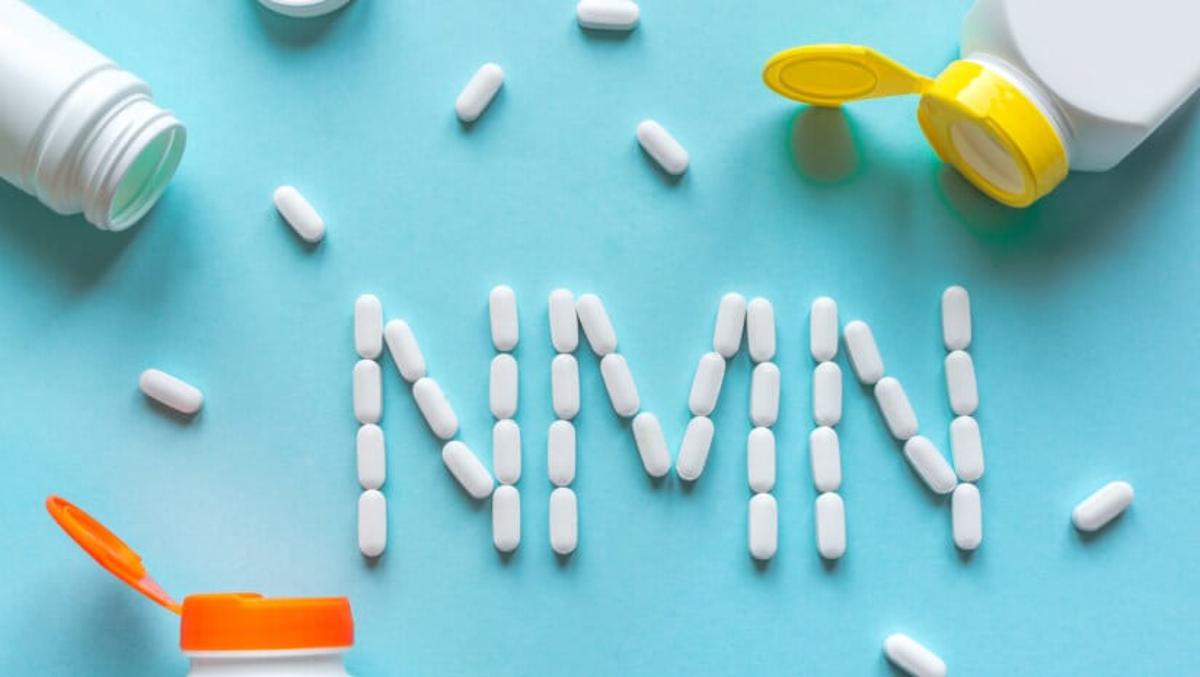
EFSA Issues Positive Safety Opinion on EffePharm’s NMN
The European Food Safety Authority (EFSA) issued a positive safety opinion that a daily intake of 300 mg of nicotinamide mononucleotide (NMN) is safe for the general EU population, excluding pregnant and lactating women. The opinion now moves to the European...

Are You Exercising at the Wrong Time? How Your Body Clock Can Affect Your Workouts
Recent research shows that timing exercise to match an individual’s chronotype—whether a morning or evening person—can amplify health benefits. A randomized controlled trial with cardiovascular‑risk participants found that chronotype‑aligned workouts produced greater improvements in blood pressure, aerobic fitness, glucose, cholesterol...

MMA.INC (NYSE American: MMA) Enters Exclusive 50/50 Revenue Share Peptide Partnership with Precision Peptide (CSE: BPC)
Mixed Martial Arts Group Limited (MMA.INC) announced an exclusive partnership with The Precision Peptide Company, granting MMA.INC a 50/50 share of net revenue from peptide sales sourced through its combat‑sports ecosystem for the first year, then 25% thereafter. The agreement...

These 10 Nutrients Are A Must For Healthy Aging — Are You Getting Enough?
A new nationwide analysis reveals that most Americans, even those who consider their diets "healthy," fall short on ten key nutrients linked to healthy aging. The study found 21 of 24 examined micronutrients were under‑consumed, with Vitamin D, Vitamin E, calcium, magnesium...