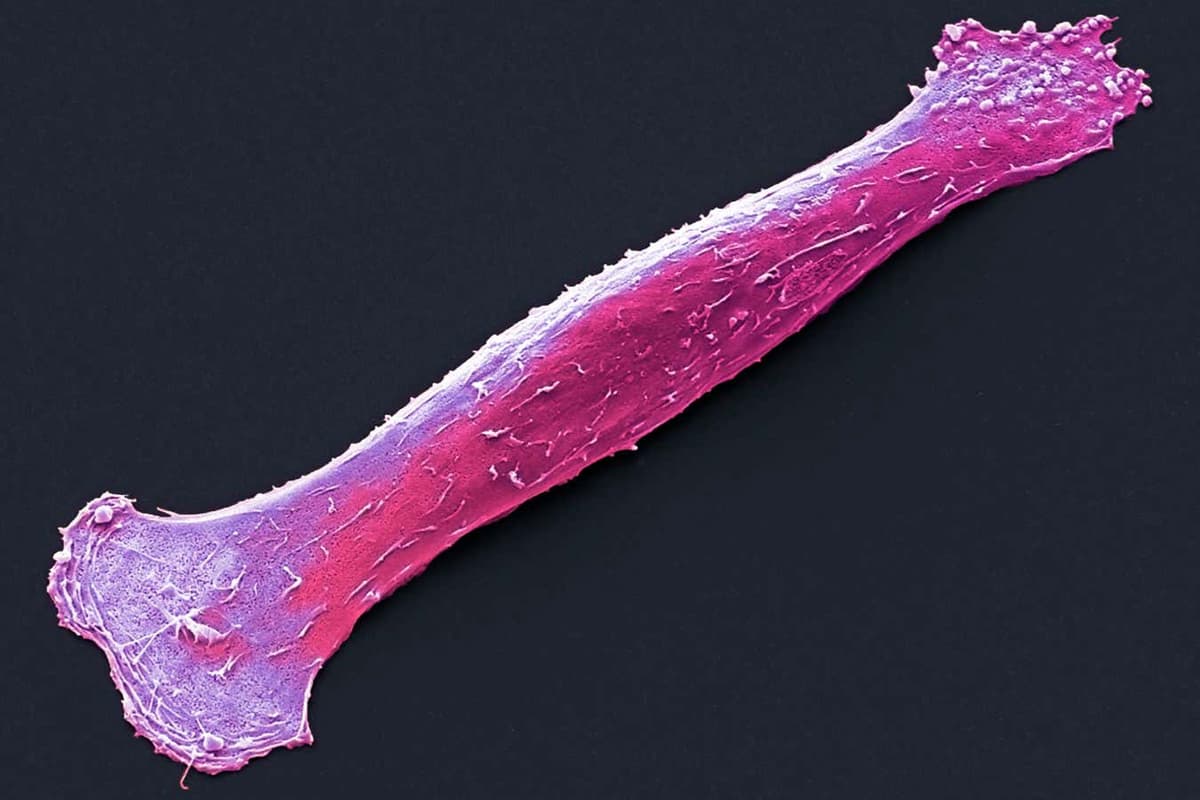
Rebooting Stem Cells Builds Aged Muscles and Assists Injury Recovery
Why It Matters
Age‑related muscle loss drives frailty and rising healthcare costs; a stem‑cell reboot could restore strength and independence for older adults.
Key Takeaways
- •Rebooted stem cells increase muscle size in aged mice
- •Treated mice heal injuries faster than untreated controls
- •Method involves ex‑vivo rejuvenation before re‑implantation
- •Study points to translational potential for human muscle aging
- •Clinical translation will require safety, scaling, and regulatory approval
Pulse Analysis
Sarcopenia, the progressive loss of muscle mass and function, affects roughly 10% of adults over 65 and accounts for billions of dollars in medical expenses each year. Current interventions—resistance training, protein supplementation, and hormone therapy—offer modest benefits and often fail to restore youthful performance. As the global population ages, investors and policymakers are seeking breakthrough therapies that can halt or reverse muscle degeneration, improve quality of life, and reduce long‑term care costs.
In a recent Duke University study, scientists isolated muscle stem cells (satellite cells) from elderly mice, exposed them to a cocktail of growth factors and epigenetic modulators, and then re‑introduced the rejuvenated cells into the same animals. This “reboot” protocol reactivated key regenerative pathways, resulting in a 20% increase in muscle fiber cross‑sectional area and a 30% faster recovery after induced injury compared with untreated controls. The treated mice also displayed improved grip strength and endurance, indicating functional benefits beyond mere tissue growth.
The implications extend far beyond the laboratory. If similar results can be achieved in humans, a stem‑cell reboot could become a cornerstone of anti‑aging medicine, opening new markets for cell‑therapy companies and attracting venture capital focused on geroscience. However, translating the technique will require rigorous safety testing, scalable manufacturing processes, and navigation of complex regulatory frameworks. Success could reshape treatment paradigms for frailty, orthopedic surgery recovery, and chronic muscle‑wasting diseases, positioning biotech firms at the forefront of the next wave of age‑reversal therapeutics.
Rebooting stem cells builds aged muscles and assists injury recovery
Comments
Want to join the conversation?
Loading comments...