Statin Use Linked to Lower Risk of Frailty in Older Veterans
Researchers at Mass General Brigham analyzed Medicare data from 987,301 U.S. veterans aged 67 and older and found that initiating statin therapy was associated with a 24% lower risk of developing frailty over an average 5.3‑year follow‑up. The retrospective cohort study, published in the European Heart Journal, adjusted for a wide range of health and demographic factors. The protective association held true across subgroups, including those with diabetes, cardiovascular disease, arthritis, dementia, and even participants who were pre‑frail at baseline. The authors suggest statins may offer a novel strategy for preserving health and independence in aging populations.

Moderate Screen Time in First 3 Days After Concussion Linked to Teens' Faster Recovery
A new study in the British Journal of Sports Medicine found that teens who limit screen exposure to about 141 minutes per day during the first three days after a concussion recover 35% faster than those with higher usage. The...

This Health Startup Will Create a Weekly Podcast Just for You—Starring Your Blood Work
Eternal, a health‑and‑longevity startup backed by a $13.25 million seed round, has introduced AI‑generated weekly podcasts that deliver personalized health updates to users. The service pulls data from wearables, blood work, and DEXA scans, then creates a five‑minute audio briefing covering...

David Sinclair Plans to Test Whole-Body Rejuvenation Drugs in the XPrize Competition
Harvard biologist David Sinclair plans to test an oral epigenetic reprogramming drug, code‑named SL‑100, in the XPRIZE Healthspan competition, which offers $101 million for teams that can demonstrate a ten‑year functional improvement after a year of treatment. The trial would be...
Early Birds & Night Owls Don't Build Muscle the Same — Science Explains Why
Recent research links chronotype—the body’s natural sleep‑wake preference—to muscle health. Evening‑type individuals experience poorer sleep, irregular eating and lower activity, which together raise the risk of sarcopenia and metabolic disorders. The same studies show that workout timing matters: afternoon or...

Brushing Your Teeth in Hospital Could Reduce the Chance of Catching Pneumonia
A stepped‑wedge trial involving 8,870 patients across three Australian hospitals found that providing toothbrushes, toothpaste and oral‑care education boosted dental hygiene compliance from 16% to 62%. The intervention cut non‑ventilator hospital‑acquired pneumonia risk by 60%, dropping infections from eight to...
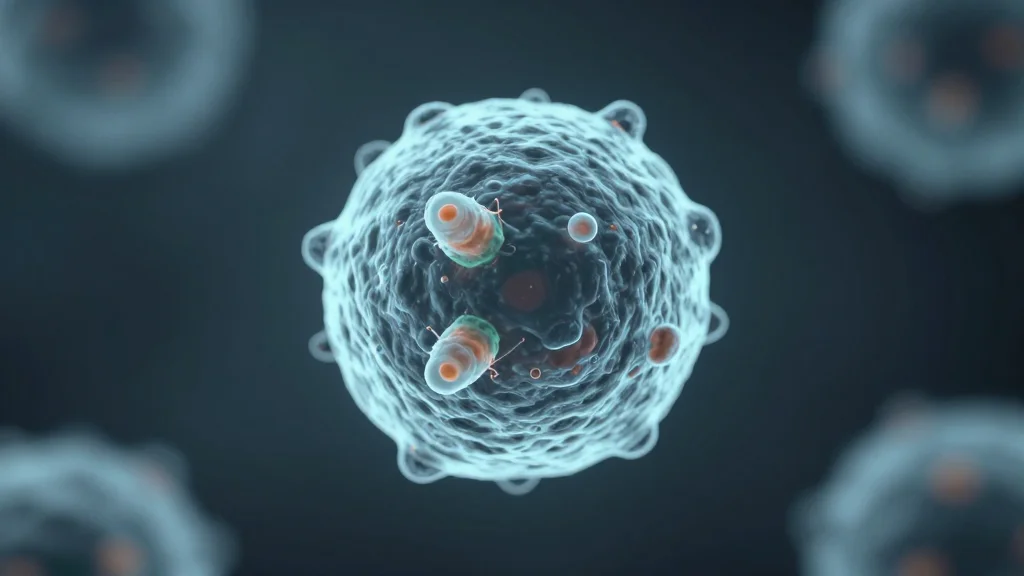
CRISPR Shreds Undruggable Cancer Cells with Precision
Researchers at the Innovative Genomics Institute have engineered a CRISPR‑Cas12a2 system that detects mutant p53 mRNA and triggers chromatin shredding, selectively killing cancer cells. The approach demonstrated potent tumor regression in mouse models of lung and liver cancer while sparing...

Naked Mole-Rats Age so Slowly, Resist Cancer so Well and Survive Oxygen Loss so Strangely that Researchers Now Study Them...
Naked mole‑rats, small rodents native to East Africa, routinely live beyond 30 years—about ten times longer than similarly sized mice—exhibiting negligible senescence and sustained fertility. Their remarkable cancer resistance stems from an unusually large form of hyaluronan that halts cell...

HTBA’s Vitamin B12 Could Improve Cycling Performance
A randomized, triple‑blind crossover trial in Spain found that three days of HTBA’s methylcobalamin supplement, MecobalActive, raised serum B12 levels by roughly 17% and boosted both anaerobic power and cognitive reaction time in 18 amateur cyclists. Participants who received the...
"Zombie" Cells Are A Sign Of Aging — What Health Risks Do They Pose?
A recent precision‑aging review in the journal Aging challenges the blanket view that all senescent, or “zombie,” cells are detrimental. It shows that while some senescent cells fuel inflammation and disease, others, such as pancreatic beta cells, can enhance physiological...
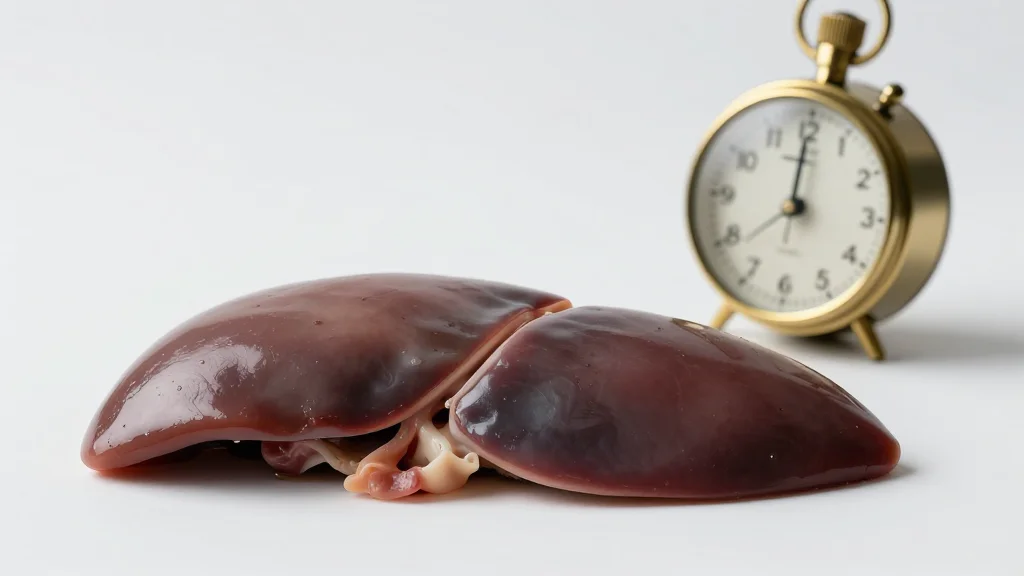
This Underrated Habit Could Majorly Boost Liver & Metabolic Health
New research published in Nature Metabolism reveals that irregular eating patterns can throw off the liver’s internal circadian clock, altering the timing of protein secretion that governs metabolism. In a controlled trial, participants who ate meals at consistent times preserved...
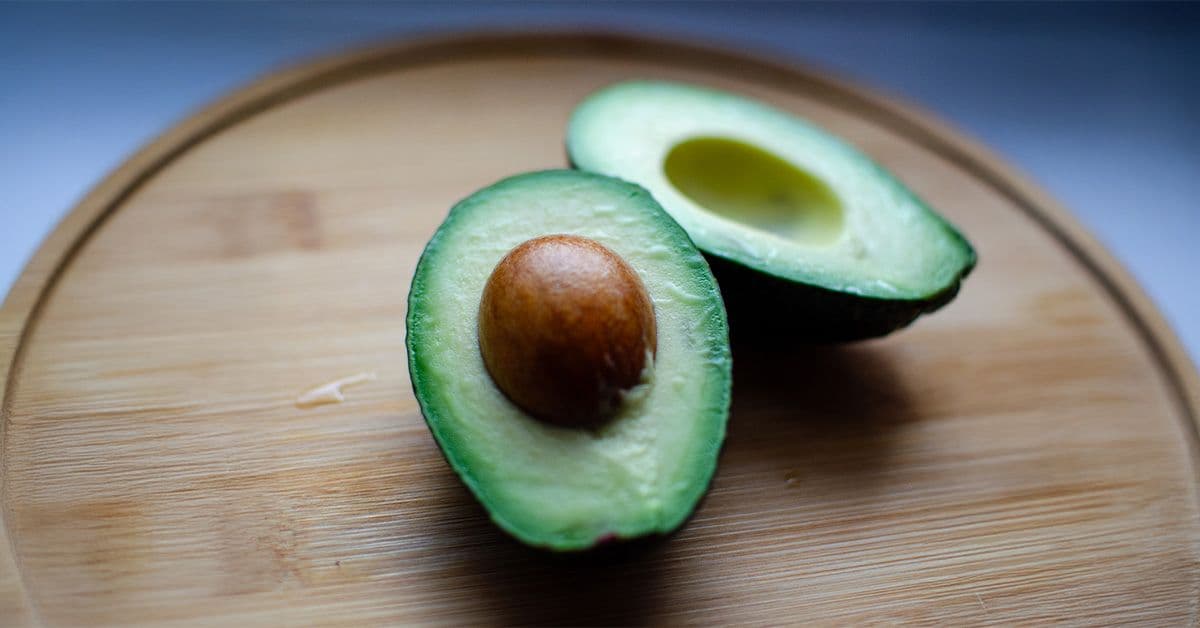
An Avocado a Day May Help Control Blood Sugar, Study Claims
A secondary analysis of the Habitual Diet and Avocado Trial found that participants who ate one large avocado each day for six months experienced a lower dietary glycemic load than a control group. The study involved 961 overweight or obese...

This Is How to Use Red Light to De-Age Your Hands
Red light therapy, now popular in at‑home devices, delivers specific wavelengths that boost cellular energy, prompting collagen and elastin production. Dermatologists note that the thin, sun‑exposed skin on the backs of the hands ages faster than facial skin, making it...

How a Simple Blood Test Could Help Detect Heart Damage During Breast Cancer Treatment
Researchers observed that cardiac troponin I levels and ECG abnormalities rise during breast‑cancer chemotherapy, suggesting a simple blood test could flag early heart stress. In a pilot study of 50 women receiving anthracyclines or trastuzumab, troponin spikes coincided with prolonged...
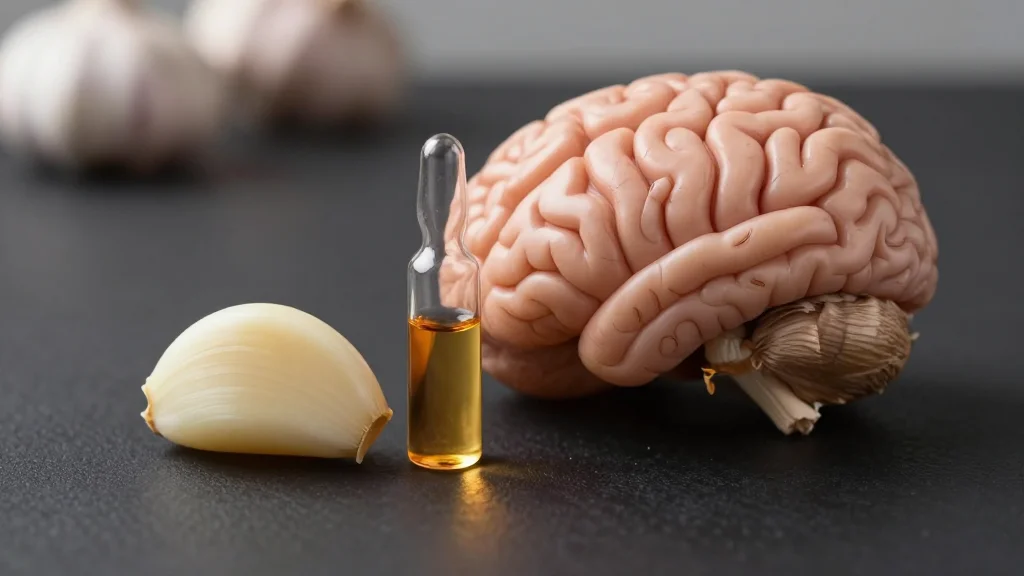
How This Little-Known Compound Impacts Fat, Brain & Muscle Health
A recent Cell Metabolism study identified S‑1‑propenyl‑L‑cysteine (S1PC), a compound in aged garlic extract, as a trigger for a fat‑to‑brain signaling cascade that raises eNAMPT and supports muscle function in aged mice. The pathway bypasses direct muscle action, instead sending...