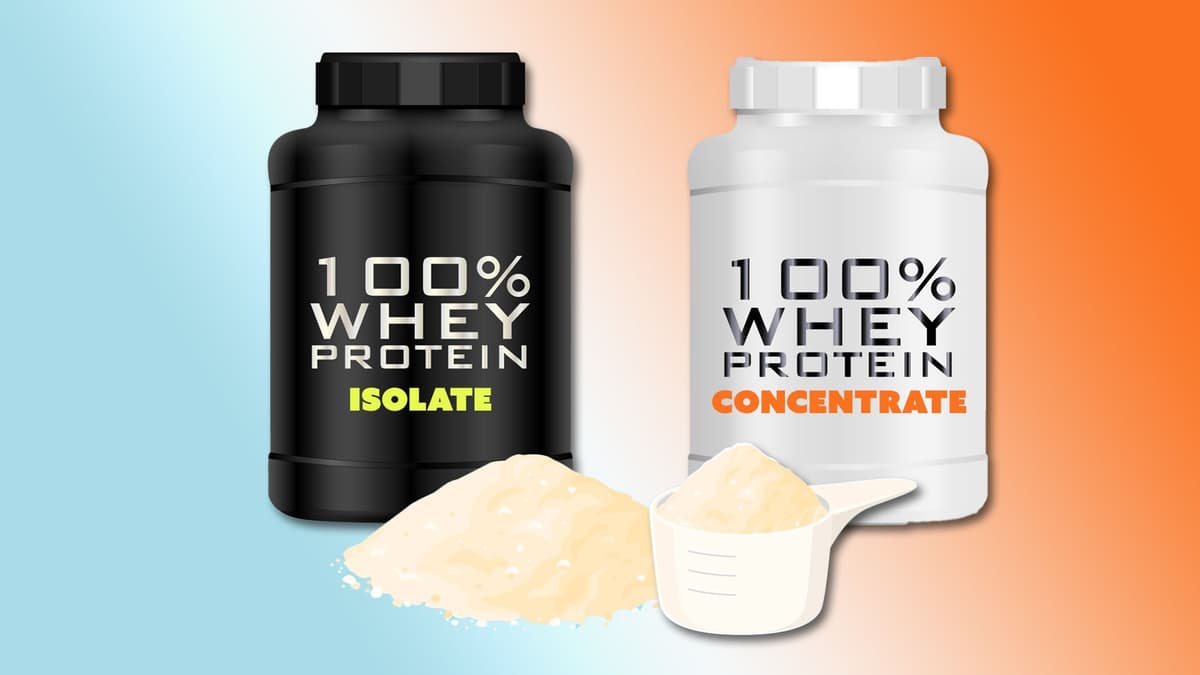
Whey Protein Isolate Vs. Concentrate: Which One Is Better?
Why It Matters
Understanding the nuanced trade‑offs between isolate and concentrate helps consumers and fitness professionals optimize supplement spending, dietary compliance, and health outcomes, while guiding manufacturers in product positioning within a competitive supplement market.
Key Takeaways
- •Isolate provides ~27‑28 g protein per 30 g serving (90‑95% purity)
- •Concentrate offers 21‑24 g protein per serving with carbs and fat
- •Both forms achieve comparable muscle gains when total protein intake matches
- •Isolate suits lactose‑intolerant, calorie‑restricted users; concentrate fits budgets
- •Concentrate retains immunoglobulins and growth factors absent in isolate
Pulse Analysis
The global whey protein market, valued at over $10 billion, continues to expand as athletes and casual gym‑goers seek convenient protein sources. Within this segment, isolate and concentrate dominate shelf space, differentiated primarily by processing intensity. Isolate undergoes cross‑flow microfiltration or ion‑exchange to strip most carbohydrates, fats, and lactose, resulting in a powder that is 90‑95% protein and virtually calorie‑free. Concentrate, by contrast, experiences milder filtration, preserving 70‑80% protein alongside natural milk fats and lactose, which contributes to a richer flavor and higher satiety.
Performance‑oriented research, including a study published in the American Journal of Clinical Nutrition, confirms that isolate’s rapid digestion delivers amino acids to muscle tissue within 30 minutes, a timing advantage for post‑resistance training recovery. However, meta‑analyses reveal no statistically significant difference in lean‑mass gains when total daily protein is matched, underscoring that absorption speed matters less than overall intake. Concentrate’s retained immunoglobulins, lactoferrin, and growth factors provide ancillary immune and gut‑health benefits, appealing to older adults and those prioritizing holistic wellness.
From a purchasing perspective, isolate commands a 30‑50% price premium due to its extensive processing, making it the go‑to choice for calorie‑restricted dieters, lactose‑intolerant athletes, and high‑performance competitors. Concentrate offers a cost‑effective alternative for budget‑conscious consumers, hobbyists, and individuals over 50 who value its additional bioactive compounds. Ultimately, the most critical factor remains consistent protein consumption; supplement selection should align with personal tolerance, financial constraints, and specific training objectives rather than brand hype. As the supplement industry leans toward personalized nutrition, we can expect hybrid products that blend isolate’s purity with concentrate’s functional compounds, delivering tailored solutions for diverse consumer segments.
Whey Protein Isolate vs. Concentrate: Which One Is Better?
Comments
Want to join the conversation?
Loading comments...