Pregnancy Guideline Author Dr. Margie Davenport: Exercise Cuts Complication Risk 40%
The video features Dr. Margie Davenport, an exercise physiologist at the University of Alberta, who reviews the latest research on physical activity during pregnancy and the postpartum period. She cites studies showing that women who maintain regular exercise from pre‑conception through delivery cut their overall risk of pregnancy complications by roughly 50% compared with those who cut back in the first two trimesters. A modest regimen of ten minutes of brisk walking each day lowers the odds of preeclampsia by about 25% and also reduces gestational hypertension and excess weight gain, without raising the likelihood of preterm birth, small‑for‑gestational‑age infants, or miscarriage. Davenport highlights a 45% reduction in postpartum depression among active mothers, emphasizing that exercise benefits both physical and mental health after delivery. She also debunks common myths that pregnant women should avoid activity, noting that the data consistently show safety and benefit. The findings suggest clinicians should prescribe tailored exercise plans as standard prenatal care, and policymakers could incorporate activity guidelines into maternal health programs, potentially lowering healthcare costs associated with complications and mental‑health treatment.

What Is the Endocannabinoid System? #brain #neuroscience
Cannabis has been used for millennia, but modern neuroscience shifted after Raphael Mechoulam isolated THC in the 1960s and showed it binds specific receptors in the brain and body. Researchers discovered cannabinoid receptors are widespread and interact with endogenous endocannabinoids...

Brain Fog, Fatigue, and Anxiety: Could It Be Mold?
The video explains that mold exposure ranges from benign contact to allergic reactions to a more contentious condition often called biotoxin or mold-related chronic illness. Chronic exposure in water-damaged indoor environments can trigger systemic inflammation and nervous-system symptoms—fatigue, brain fog,...

NAC's Hidden Biofilm Benefit
A 2014 systematic review found that N‑acetylcysteine (NAC) can disrupt bacterial biofilms and, when combined with antibiotics, significantly enhances antibiotic penetration to deep biofilm layers, improving treatment efficacy. The video links this mechanism to gastrointestinal disease by citing a 2021...

The Natural Alternative to Ozempic: How Light Controls Your Metabolism | Dr. Alexis Cowan
In a recent interview, Princeton‑trained metabolic biophysicist Dr. Alexis Cowan explains how daily light exposure directly shapes metabolism, appetite, and long‑term health. She details the mechanisms by which different light spectra influence mitochondria, leptin, dopamine and circadian timing, arguing that...
The Drugs That Could Slow Aging Are Already Here | Dr. Nir Barzilai
The Longevity Technology Unlocked podcast features Dr. Nir Barzilai, a leading voice in geroscience, discussing how targeting the biology of aging can add years of healthy life. He outlines the field’s evolution from a fringe “wild‑west” to a rapidly maturing...

More Cardio, Less Food, Still Gaining: Your Midlife Fitness Do-Over with Natalie Jill
The episode of "Better with Dr. Stephanie" features fitness expert Natalie Jill discussing how midlife women can redesign their health strategy. Jill emphasizes that resistance training, especially weighted lifts, is essential for building lower‑body muscle, while cardio alone cannot replace...
396 – Breast Cancer Screening: Understanding Risk, Deciding when to Start, and More
The Drive podcast episode tackles breast‑cancer screening, asking how women can maximize survival odds. It outlines current guidelines, highlights the stark gap between recommended and actual screening rates, and proposes a personalized framework based on individual risk factors. Data points dominate...

Breathing for Women, Children, and Sleep: Reflections From San Francisco
The video features a conversation with renowned physiotherapist Kelly Starrett and his wife Juliet, focusing on how breathing patterns affect women, children, and sleep quality. They explore the physiological links between nasal versus mouth breathing, diaphragm use, and overall health...
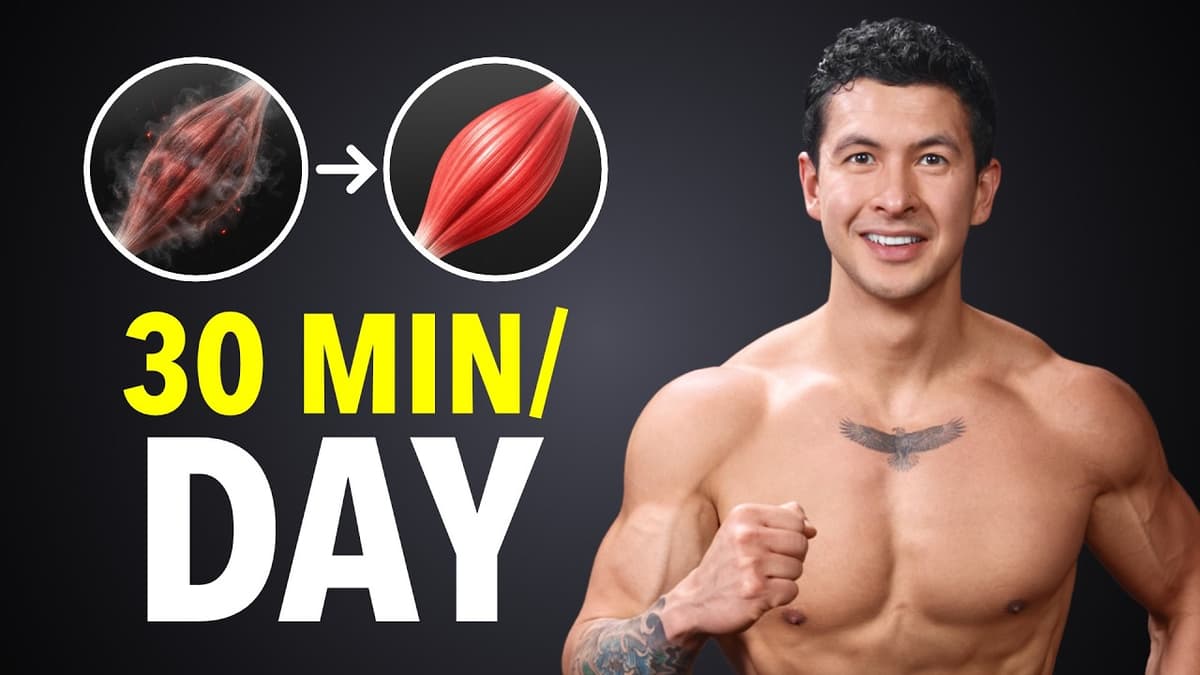
I Ran Everyday For 30 Days, It Changed My Life
The video follows a Canadian YouTuber who decides to run every day for 30 days, using MRI, VO₂‑max testing and blood work to quantify how the regimen reshapes his muscles, metabolism and heart. The ultimate goal is to compete in a...
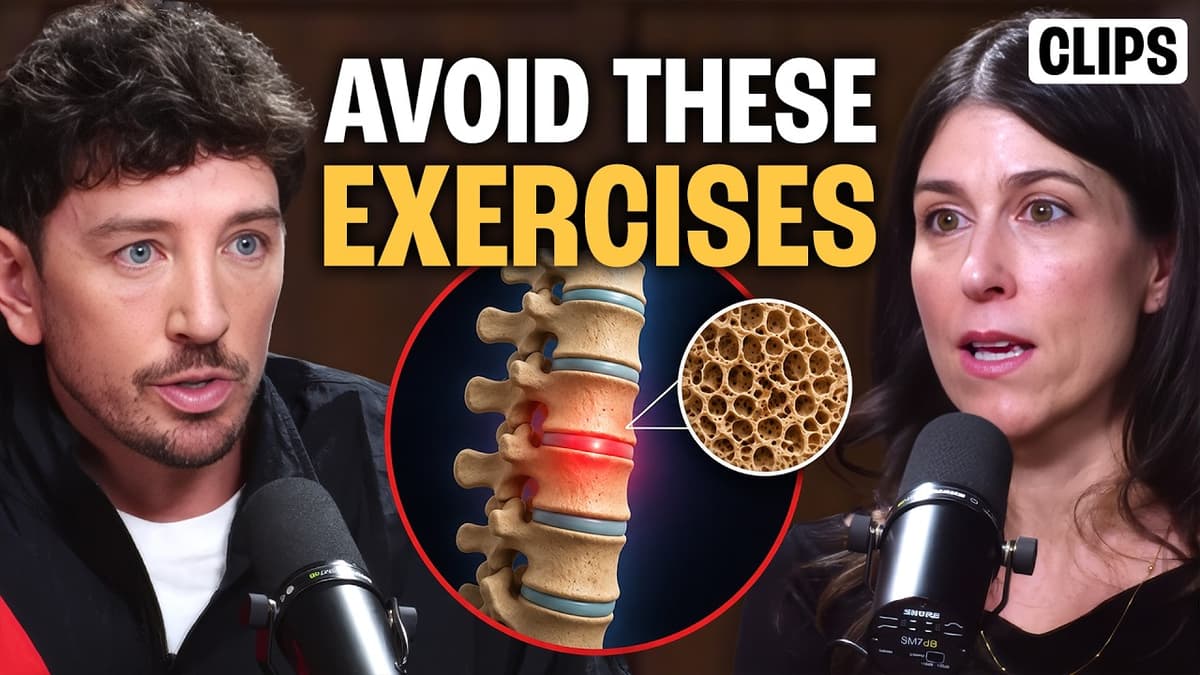
Is Yoga Safe If You Have Osteoporosis? | Dr. Lora Giangregorio | EP#410
Dr. Lora Giangregorio says exercise risk for people with low bone density hinges on individual factors: falls and spinal loads (compression, torsion) drive fracture risk, and even everyday movements can be dangerous for those with very low bone strength. There...

Oura Ring 5 Is 40% Smaller With New Health Features
The Oura Ring 5 debuted as the latest iteration of the Finnish wearable, boasting a 40% reduction in volume that brings it closer to the profile of a wedding band. Beyond its slimmer silhouette, the ring adds blood‑pressure monitoring, sleep‑apnea detection...

Are You Losing Muscle Mass in Midlife Without Even Knowing It?
The video highlights that midlife muscle loss is a silent risk factor for mortality and chronic disease, urging adults—especially women—to adopt progressive resistance training. It cites research showing average muscle mass declines 3‑8% per decade and strength 5‑17% without resistance work....

Become The CEO Of Your Own Health
The video features Dr. Darian Sha, surgeon‑turned longevity physician, who argues that by 2035 chronic disease mortality could drop dramatically if individuals become “CEOs of their own health.” Sha recounts his own collapse—overweight, stressed, on multiple meds, autoimmune flare—despite decades of...

Sleep 8 Hours Straight Without a Single Supplement (Works the First Night)
The video reframes insomnia as an electrical‑ion problem rather than a purely hormonal or psychological issue. It argues that sleep depends on precise ion gradients—sodium, potassium, magnesium, and calcium—that regulate neuronal firing and the brain’s resting membrane potential. When these...