Apollo's Chief Economist Torsten Slok Talks AI and US Economy | Bloomberg Talks
In a Bloomberg Talks interview, Apollo Global Management’s chief economist Torsten Slok argued that fears of AI wiping out white‑collar jobs are overstated and highlighted the technology’s broader macroeconomic effects on the United States. Slok pointed to a surge in business formation—census data shows weekly new firms hitting record highs and Stripe reports a boom in solo founders—while ADP’s weekly employment reports add 30‑40 k jobs. Unemployment remains low, especially among 20‑24‑year‑olds, and job growth is coming from construction, manufacturing, health care and education rather than finance or media. “There is zero evidence of AI‑driven job losses,” Slok said, noting that the AI data‑center build‑out is currently inflationary, pushing up semiconductor and energy costs. He also warned that token‑price dynamics will determine whether AI delivers productivity gains without displacing labor. The mix of strong hiring, rising inflationary pressures from AI spending and a “one‑big‑bill” fiscal boost suggests the Federal Reserve may face a higher‑for‑longer rate environment. Investors and policymakers should watch upcoming payroll and unemployment reports for clues on how the AI boom will shape growth and monetary policy.

US May Factory Activity Quickens to 4-Year High: ISM
U.S. factory activity accelerated in May, with the ISM Manufacturing PMI rising to 54, the strongest level since May 2022. The new‑orders index jumped to 56.8, marking a fifth straight month of expansion, while the production index edged up to...

Fed Officials Warn AI's Economic Costs May Arrive Faster than Benefits
Federal Reserve officials cautioned that AI’s promised productivity boost may arrive later than inflation pressures, urging policymakers not to rely on AI to justify lower rates. St. Louis Fed President Alberto Musalem warned that AI‑driven demand for chips, equipment and...
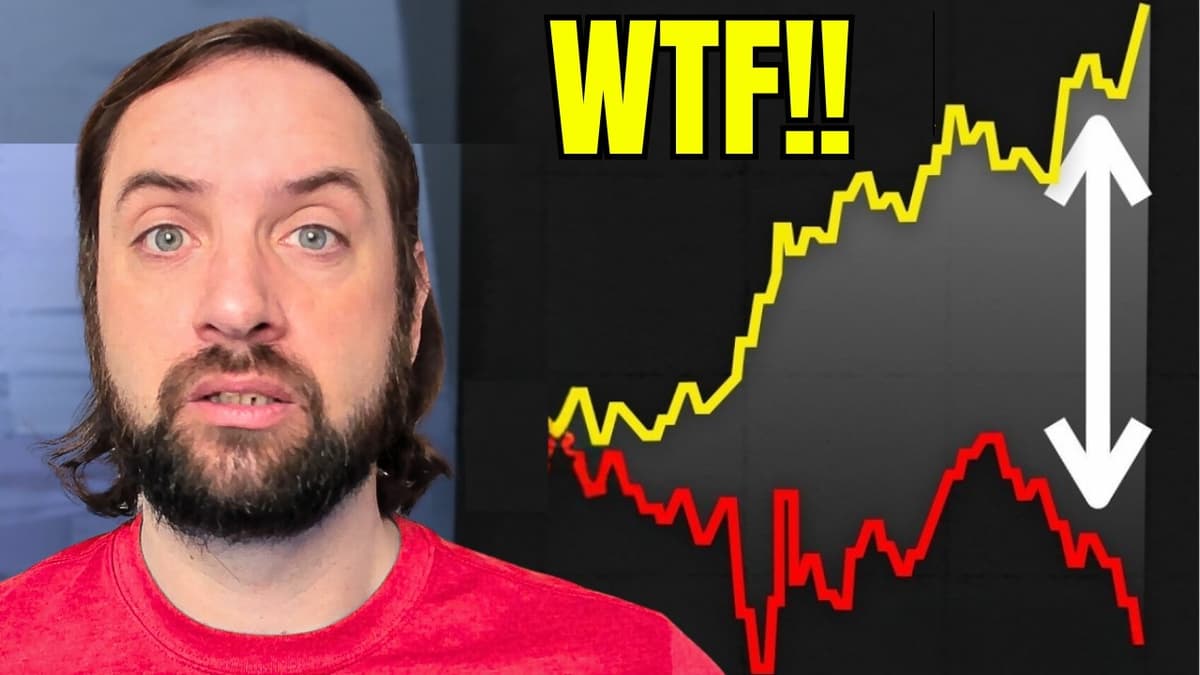
HOLY SH*T!! New Data Shows The Recession Actually Start 8 Months Ago!?
The video argues that a recession likely began in October 2025, citing Bureau of Economic Analysis (BEA) personal‑income figures that have shown zero nominal growth since that month. It points out that real personal income, adjusted for inflation, has contracted...
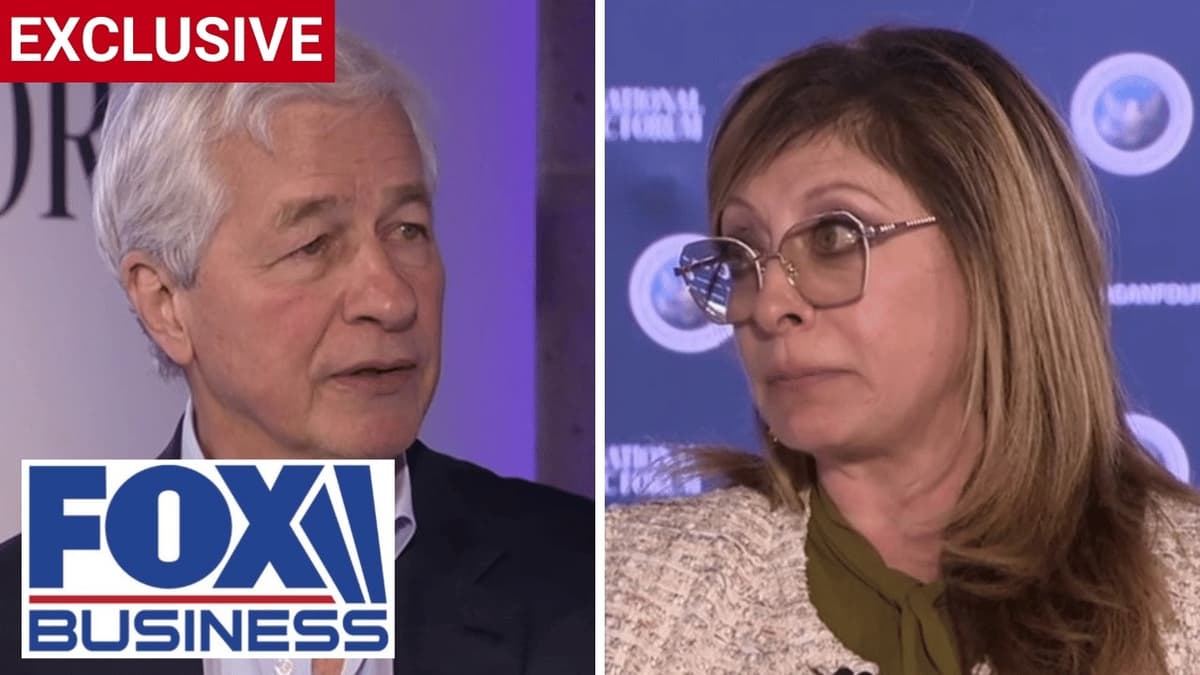
'GET THIS MACHINE GOING': Jamie Dimon Calls for a New American Industrial Buildout
Jamie Dimon appeared at the Reagan National Economic Forum to lay out his view of the U.S. economy and JPMorgan’s strategic priorities. He noted that growth is running at roughly 2%, unemployment remains low, corporate debt is manageable, but inflation...

Bond Trader Bets on Fed Hike Poised for Gut Check From Jobs Data
Bond traders are positioning for a Federal Reserve rate hike as early as next year, hinging their bets on the upcoming May jobs report. The employment data, expected to show continued labor‑market strength, could reinforce expectations that the Fed will...
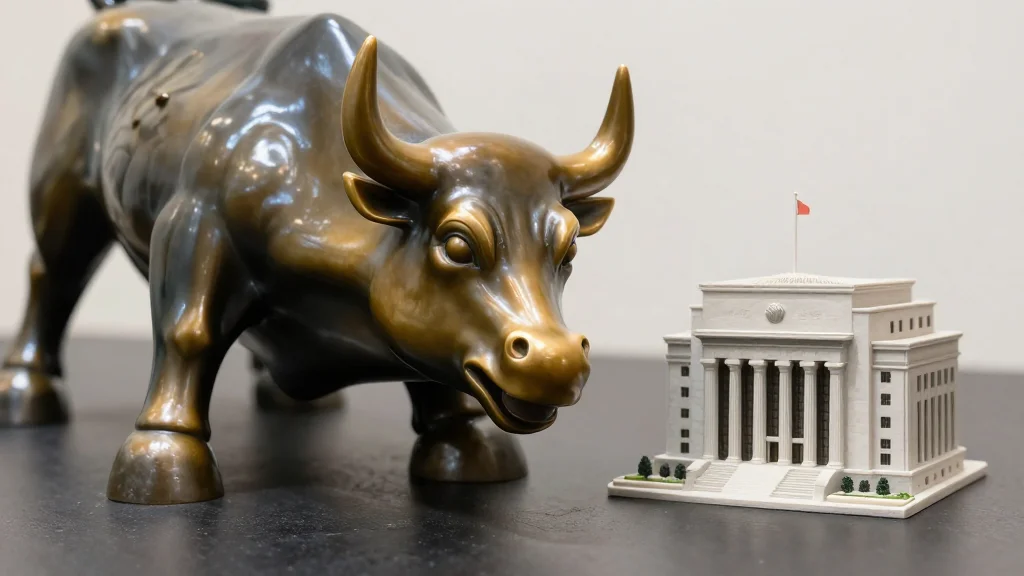
Kevin Warsh Takes Fed Helm, Boosting U.S. Stocks as Markets Hit Record Highs
Kevin Warsh was sworn in as the new Federal Reserve chair, replacing Jerome Powell, and investors responded with a rally that sent the Dow, S&P 500 and Nasdaq to fresh closing records. The move comes amid heated policy debates and...

Durable Goods Orders Rise, Defying Decline Forecasts
Durable goods orders jumped 0.7% in April, crushing expectations of a decline. 📈 Core business investment also ticked up, signaling a stable manufacturing sector. Good news for the economy. EconUpdate
Fed Governor Bowman Warns Against Premature Rate Hikes as PCE Inflation Spikes to 3.8%
Fed Governor Michelle Bowman told policymakers that progress on lowering inflation has stalled, warning that a premature rate hike could backfire as April PCE inflation rose to 3.8% YoY, the highest in three years. The comment comes amid heightened energy...

Markets Weekly May 30, 2026
Markets saw a quiet, steady rally last week punctuated by heavy call-option activity that echoes past speculative booms and raises concern about an abrupt correction. Geopolitical hopes for a ceasefire faded after the president declined to sign an agreement, keeping...
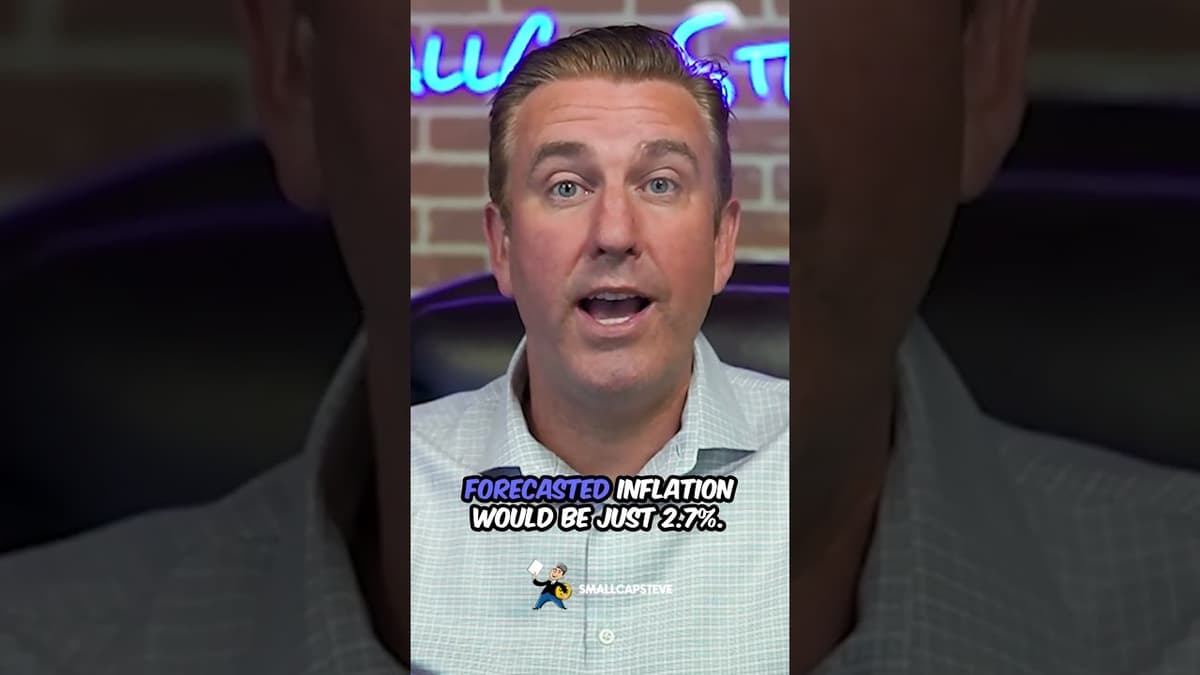
Every Time Inflation Has Crossed 4% the Market Has Crashed.
Incoming Fed chair Kevin Warsh faces a historically perilous backdrop as U.S. consumer inflation nears the 4% threshold that has preceded every major market crash since 1970. Inflation has risen from 2.4% in late February to 3.8% in April, with...

Jamie Dimon REVEALS What Happened in Closed-Door Meeting with Mamdani
Jamie Dimon sat down at the Reagan National Economic Forum to give his read on the U.S. economy and to recount a closed‑door meeting with New York City Mayor Zohran Mamdani. He painted a mixed picture: GDP is expanding at...

The Market's Biggest Buyer May Be Disappearing
Retail investors, long the engine of market gains, are now cash‑strapped as credit‑card balances hit a record $1.25 trillion and delinquency rates rose to 13.1% in Q1, the highest in 15 years. Average credit‑card interest rates have surged to roughly 21%,...

Zillow Forecasts Flat Housing Market, Cuts Outlook Amid Slowing Sales
Zillow announced weaker guidance, projecting a flat U.S. housing market for the second half of 2026 and warning of reduced home‑sale activity. The outlook comes as the company's traffic slipped 3% YoY, while revenue rose 18% and the broader market...
US Jobs Report Set to Reveal Solid Growth, Steady Unemployment Rate
The U.S. Labor Department will release its May 2026 employment report on Friday, with economists forecasting the unemployment rate to remain steady at 4.3%. Payrolls are projected to rise by 89,000 jobs, pushing the three‑month average to the highest level...
Florida Lawmakers Approve $114.5 B Budget, Cutting Spending Amid Tensions
Florida's Senate and House cleared a $114.5 billion state budget in a special session, reducing overall spending but preserving key investments in education, public safety and the citrus industry. The vote highlighted partisan splits over teacher pay, university funding and cost‑of‑living...
Treasury Secretary Bessent Signals $250 Trump Bill Pending Congressional Vote
U.S. Treasury Secretary Scott Bessent told reporters the department is preparing for a possible $250 denomination that would bear former President Donald Trump’s portrait, pending congressional approval to lift the ban on living persons on currency. The proposal has ignited...
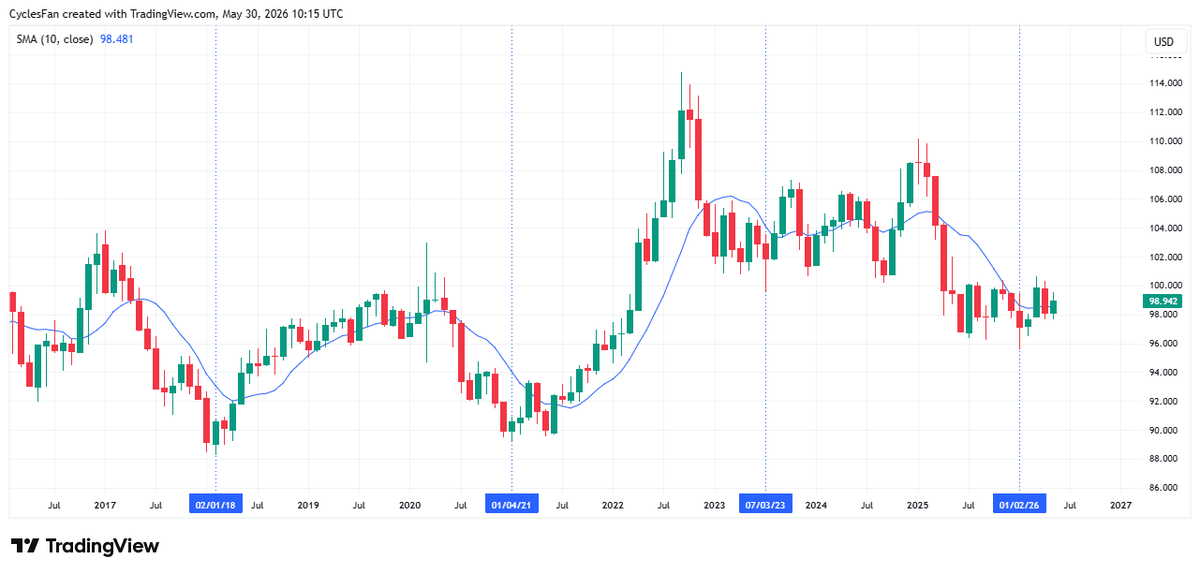
DXY Hits 3‑year Low; July Rally Expected
$DXY monthly - Closed the month a bit higher. Made a 3 year cycle low in January. So far it hasn't rallied much since the January low but traders are pricing in a 60%-70% chance of a rate hike by...

Inflation Is Spreading Through the U.S. Economy Beyond the Pump
U.S. inflation is moving beyond gasoline, with the latest PCE data showing a 3.8% year‑over‑year rise, the fastest since 2021. Core PCE, which strips out food and energy, climbed 3.3%, indicating underlying price pressures. The surge coincides with higher energy...

The ‘Three A’s’ Are Keeping the Economy Afloat During Iran War. Is It Enough to Avoid Recession?
Gregory Daco, chief economist at EY Parthenon, says U.S. growth hinges on three A's—affluent consumers, AI investment, and asset appreciation. Inflation rose to a three‑year high of 3.8% while wages lag at just over 3%, and the personal savings rate fell...
The Myth of an Independent Fed
In this episode of Dividend Cafe, host David Bonson examines the myth of an independent Federal Reserve, using the recent appointment of Kevin Warsh as a lens. He explains how the Fed’s legal framework—created by Congress in 1913 and shaped...