The Bond Market Is Telling Us the Free Lunch Is Over
The era of cheap government financing is ending as the $145 trillion global bond market flashes red. Rising inflation, supply‑chain disruptions and massive fiscal spending have pushed long‑term yields higher, with the 30‑year U.S. Treasury at 5.06% and Japan’s at a record 4.15%. Higher yields are already raising mortgage rates to 6.65% and increasing corporate borrowing costs. Policymakers now face tougher trade‑offs between stimulus and the risk of further rate spikes.
Vanguard Shifts to Longer Duration as 10‑Year Treasury Yields Near 4.7%
Vanguard, managing $479 bn of active fixed‑income assets, announced a move to add duration exposure after 10‑year Treasury yields climbed to about 4.67% in May. The shift reflects higher inflation expectations, a geopolitically‑driven energy shock and a market that now prices...
U.S. Treasury Yields Top 4.5% as Market Pushes Back on Trump’s Spending Plans
U.S. Treasury yields on the benchmark 10-year note climbed above 4.5%, prompting warnings from market strategists and raising anxiety in the White House about higher borrowing costs for mortgages, credit cards and business loans. The surge comes as President Trump...
Fed Minutes Signal Potential Rate Hike, Push Treasury Yields Higher
Federal Reserve minutes released Tuesday revealed that most officials see a need for additional rate hikes if inflation stays above target. Swap markets now price a 25‑basis‑point increase by year‑end, while 10‑year Treasury yields rose sharply, underscoring heightened bond‑market volatility...
Warsh Sworn In as Fed Chair, Markets Bet on 2026 Rate Hike Amid Trump’s Mixed Signals
Kevin Warsh was sworn in as the 17th Federal Reserve chair on May 22, 2026, prompting Treasury traders to price in a near‑certain 25‑basis‑point rate hike by December 2026. The move comes as President Donald Trump publicly urged independence while...
Fed Governor Says Iran War Causing More Uncertainty Than Tariffs
Federal Reserve Governor Christopher Waller told a Frankfurt audience that the central bank will keep the policy rate steady for now, citing the need for clearer inflation improvement or a significant labor‑market slowdown before any cuts. He noted that the...

U.S. Administration Signals Economic Relief in Iran Peace Talks, Aims to Reopen Strait of Hormuz
President Donald Trump announced that a peace agreement with Iran is largely negotiated, pledging to lift sanctions and reopen the Strait of Hormuz, which has been shut since late February and cut 10‑12 million barrels per day from world supply. The...

Trump's "Systematic" Undermining of the Economy - with Justin Wolfers
In this Talking Feds episode, economist Justin Wolfers breaks down the recent 3.8% headline inflation spike, explaining the difference between headline and core CPI and why real wages are falling as price growth outpaces wage growth. He discusses how inflation...
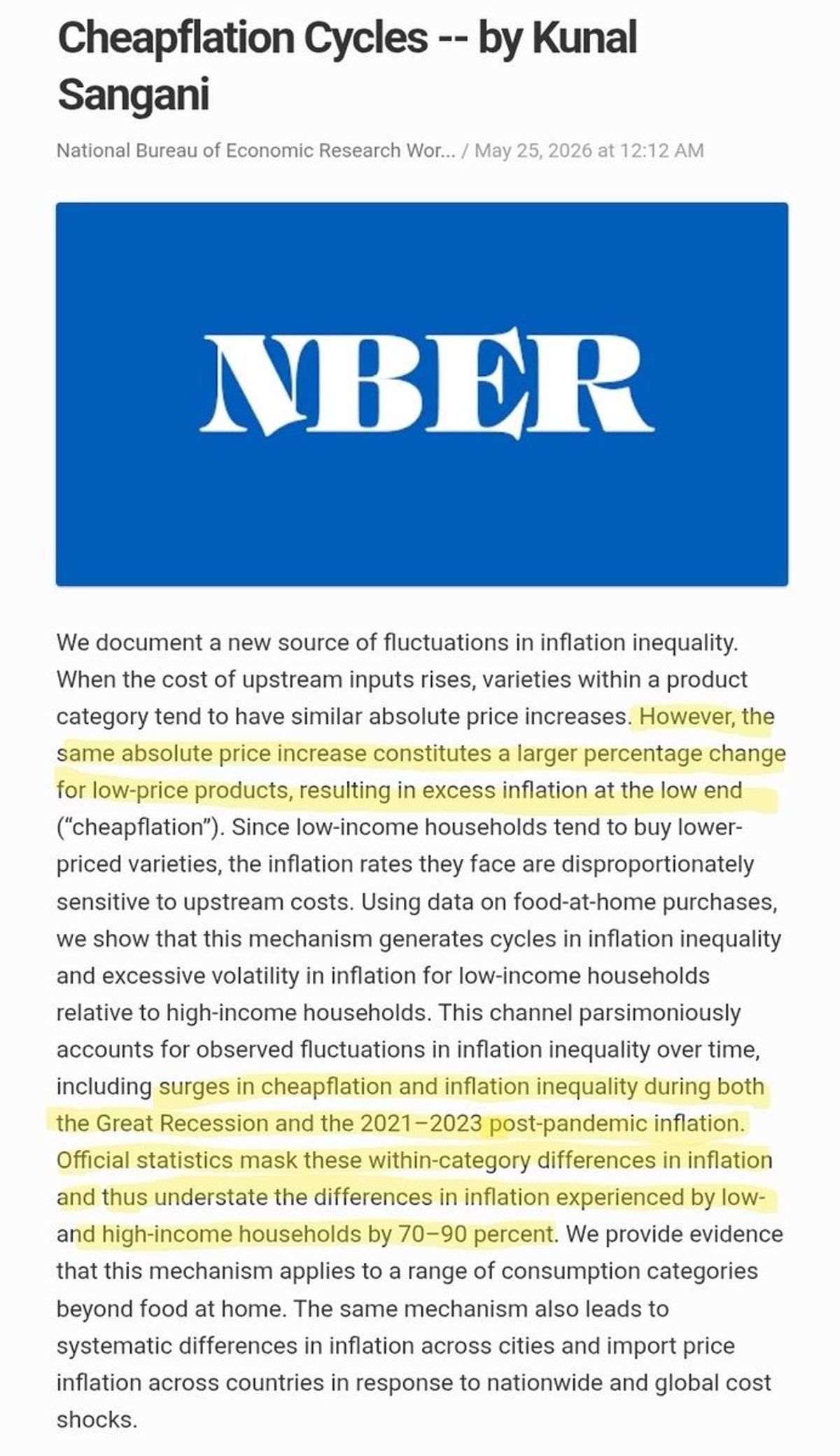
Official Inflation Stats Understate Income Gap by Up to 90%
New @nberpubs: "Cheapflation Cycles" https://t.co/yk60z2ZkXb "Official statistics mask these within-category differences in inflation and thus understate the differences in inflation experienced by low- and high-income households by 70–90 percent." (Relevant for US input tariffs, too)
US‑Iran Peace Deal Hopes Push Oil to Two‑Week Lows, Spark Global Market Rally
President Trump announced that a US‑Iran peace agreement is largely negotiated, raising expectations that the Strait of Hormuz will reopen. The prospect has pulled oil down to two‑week lows, lifted gold and equities across Europe, Asia and the United States,...
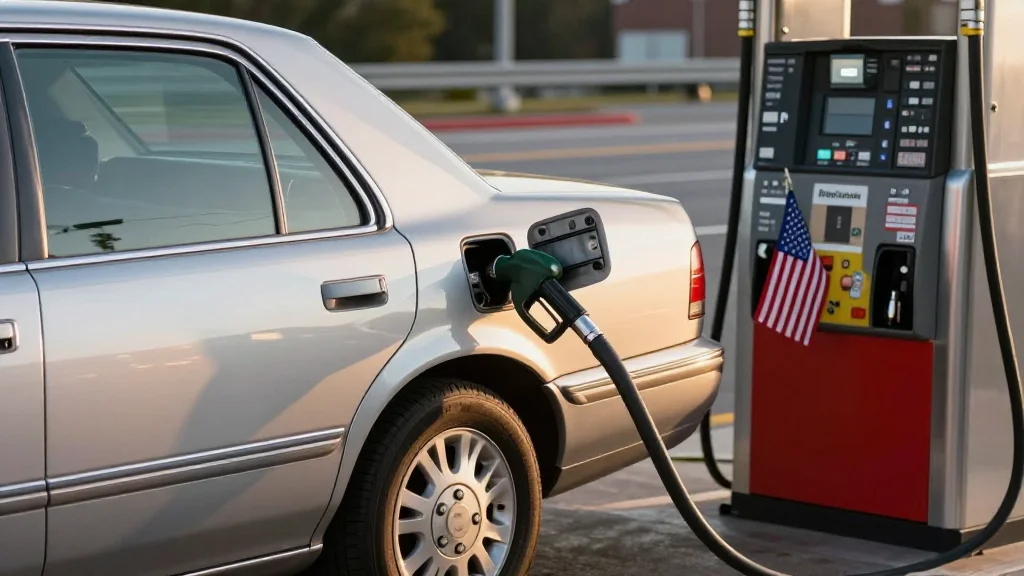
U.S. Gas Prices Reach $4.51/gal on Memorial Day, Adding $2 Billion to Consumer Costs
The American Automobile Association reported the national average gasoline price hit $4.51 per gallon on Memorial Day, up $1.34 from last year. Analysts say drivers will spend an extra $2 billion over the four‑day weekend, tightening household budgets amid inflation concerns.
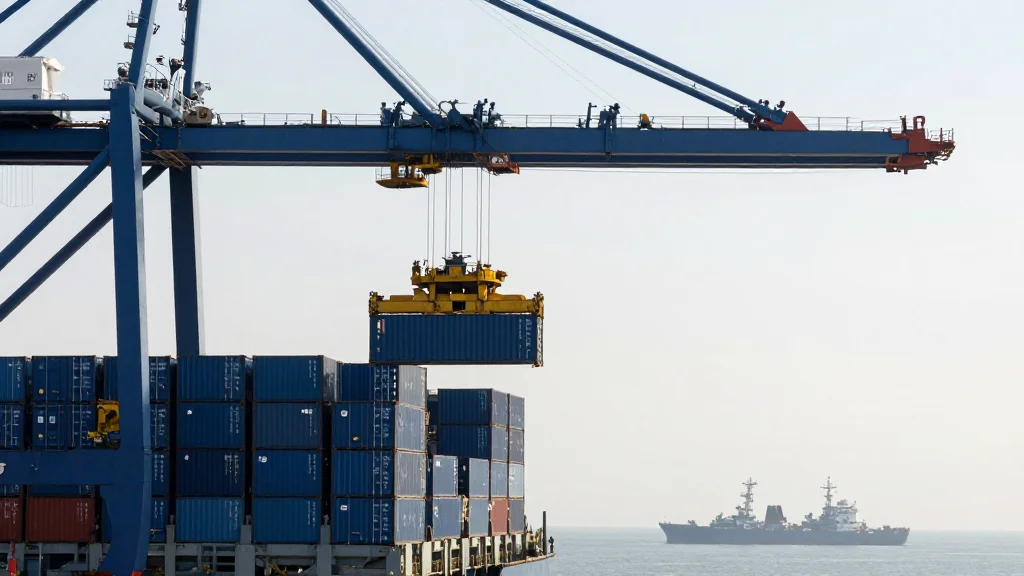
US Manufacturers Raise Inventories as Iran Conflict Drives Costs, PMI Hits 4‑Year High
U.S. manufacturers expanded inventories in May, lifting the flash manufacturing PMI to 55.3 – the strongest reading since May 2022 – as the Iran‑Israel conflict strained the Strait of Hormuz and drove raw‑material prices higher. The surge in safety stocks...
US Consumer Sentiment Hits Record Low of 44.8, Raising Spending and Policy Concerns
The University of Michigan revised its May consumer sentiment index to a record‑low 44.8, the steepest reading in the survey’s history. The drop, driven by rising inflation expectations and mixed labor‑market signals, threatens household spending and fuels debate over the...
Bond Traders Price In 2026 Fed Rate Hike as Two-Year Yield Hits 4.14%
Bond traders fully priced in a Federal Reserve rate hike for 2026 after Governor Christopher Waller warned that a rate cut is unlikely. The two-year Treasury yield rose six basis points to 4.14%, the highest since February 2025, and interest‑rate...

Australia’s Labour Market Right on the Edge
The U.S. labor market has added only 251,000 jobs over the past 12 months, a pace comparable to the immediate post‑recession period. Despite this slowdown, the unemployment rate has held steady at around 4.3% for nearly two years. The stability...
U.S. Growth Set to Outpace Peers Through 2030
The Economist on the U.S. economy’s consistent growth outperformance relative to other advanced countries: “America’s outperformance began decades ago, but in the 2020s it has become vast. And it is likely to last. The latest IMF forecasts show American growth besting...

Rising Treasury Yields Are Starting to Squeeze Housing, Borrowing and Consumer Confidence
U.S. Treasury yields surged to 4.69% on the 10‑year note, their highest level since early 2025, pushing mortgage rates higher and tightening housing affordability. The rise in borrowing costs is spilling over into consumer debt, business financing, and hiring decisions...
Powell’s Continued Board Seat Fuels Fed Policy Uncertainty, Opinion Says
In a recent Fox News opinion piece, Peter Navarro warned that former Fed Chair Jerome Powell’s decision to stay on the Board after Kevin Warsh’s swearing‑in as new Chair could give Powell a “shadow” majority. The column argues this dynamic...
Memorial Day Data
Memorial Day week brings light data but high stakes: Q1 GDP and core PCED Thursday could fuel rate hike bets already at 62.5% for December. We think July's in play. 🟢 Open https://t.co/Lfff4zB9Ia
Only 5% of Top U.S. Companies Cite Tariff Refunds as Trump-Era Duties Remain Unsettled
A Bloomberg review shows only about 150 of the 3,000 largest U.S. public companies have mentioned tariff refunds in recent filings, reflecting hesitation as Trump-era tariffs stay illegal and under litigation. The silence signals uncertainty over profit margins and inflation...
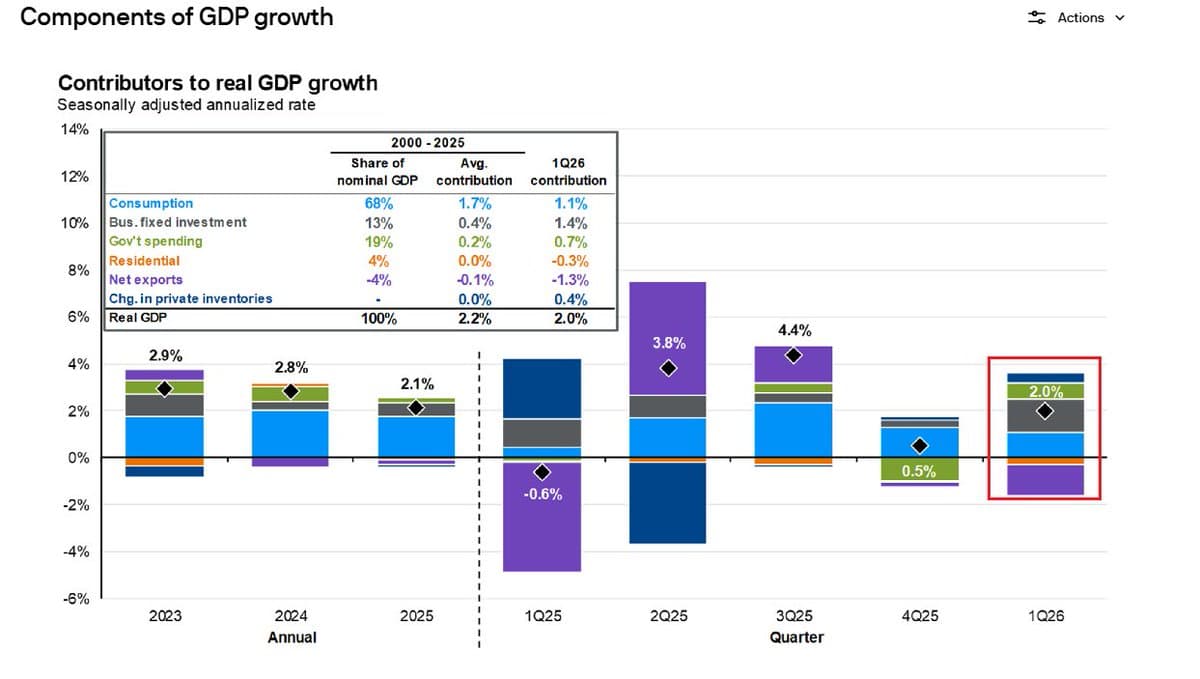
Business Investment Outpaces Consumption, Adding 1.4% to Q1 GDP
Business fixed investment contributed a massive 1.4% to real GDP in Q1... a larger growth driver than consumption JPMAM #AI https://t.co/PAqtt2OUYa
‘Warsh’ and Dry
Kevin Warsh has taken the helm as the new Federal Reserve Chair, prompting Treasury markets to shift toward a higher‑for‑longer rate outlook. The 10‑year Treasury yield climbed to 4.60%, its highest level since early 2025, while fed funds futures now...
Record Diesel Prices Hit Chicago Truckers, Farmers and Push Consumer Inflation
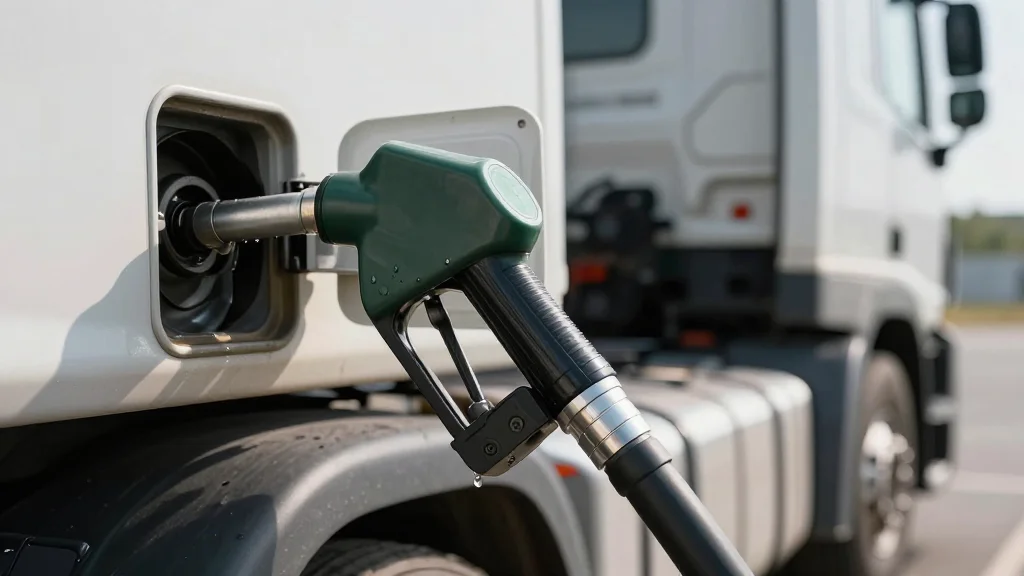
Chicago-area diesel surged to a record $6.30 a gallon, up 71% from last year, forcing food‑truck owners, trucking firms and farmers to absorb higher fuel costs. The spike, tied to Iran’s blockade of the Strait of Hormuz, is feeding broader...
U.S. Inflation Gauge Nears 4% as Iran Conflict Fuels Energy Price Surge
The U.S. personal consumption expenditures price index is expected to climb 3.8% year‑over‑year in April, edging close to the 4% mark. The jump reflects a war‑driven surge in energy costs tied to the Iran conflict, marking the fastest two‑month acceleration...
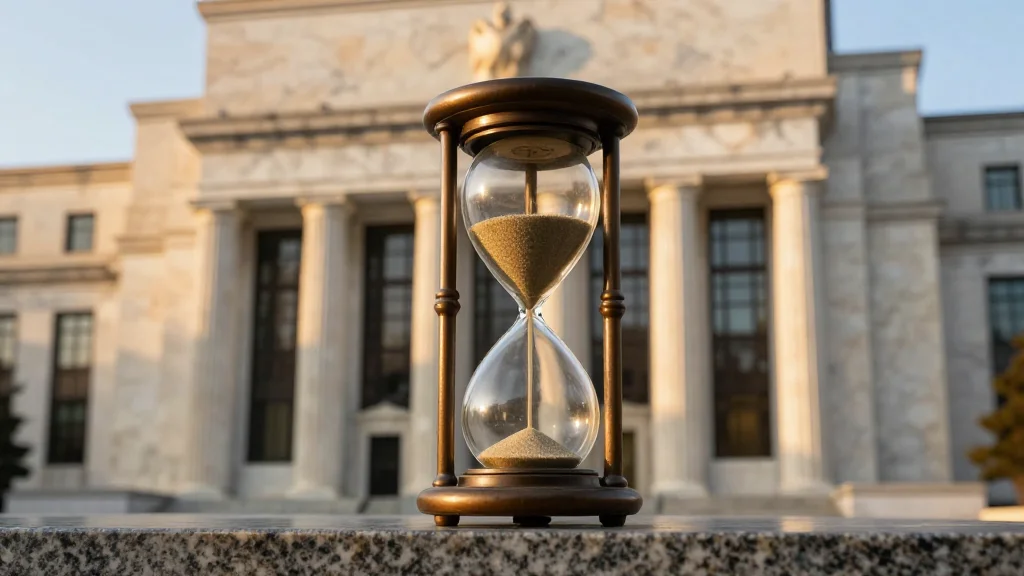
Navarro Urges Fed Patience, Warns Against Rate Hikes
Navarro counsels against rate hikes (illustrating how the dovish position has changed): “Now we hear the rate hike drums beating louder from Wall Street trading desks to the regional Fed banks and into the bowels of the Eccles building. The right Fed...
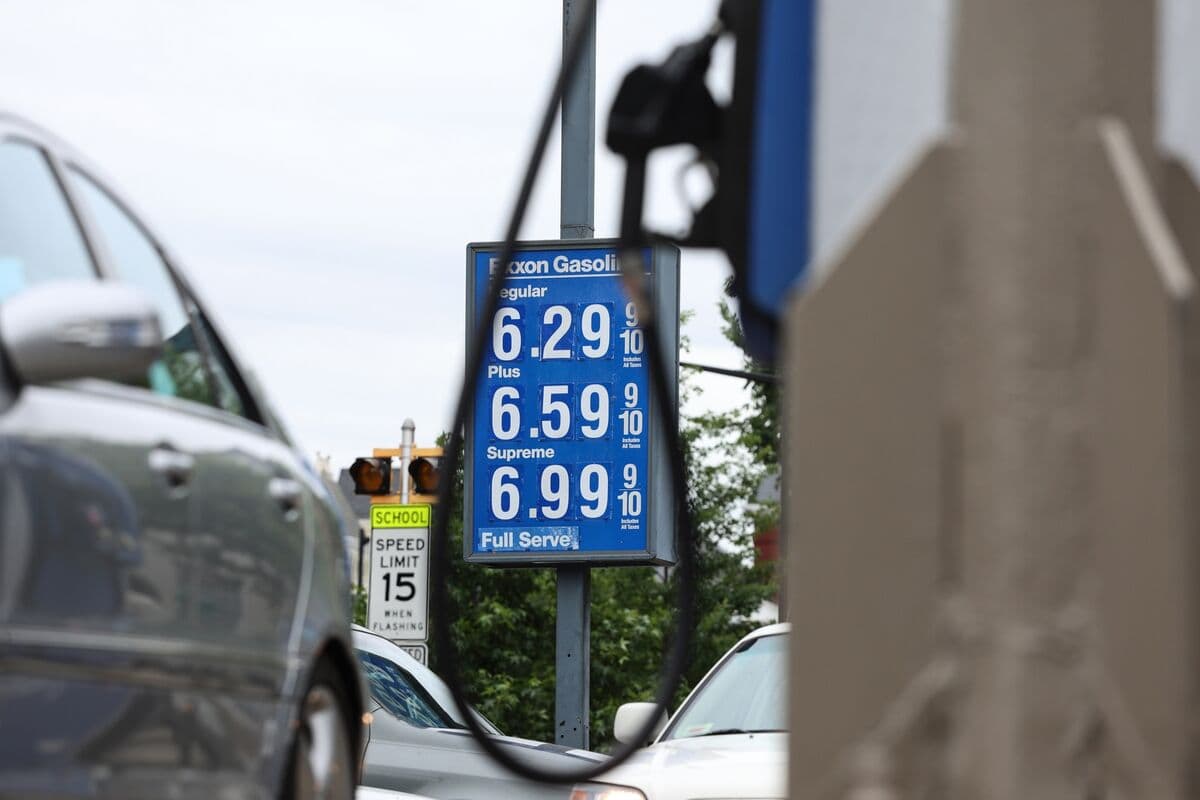
More War-Driven Inflation Seen in Fed’s Favored Gauge
The Federal Reserve’s preferred inflation gauge, the personal consumption expenditures (PCE) price index, is projected to have risen 3.8% year‑over‑year in April, pushing the headline rate close to 4%. The jump is driven largely by a war‑induced surge in energy...
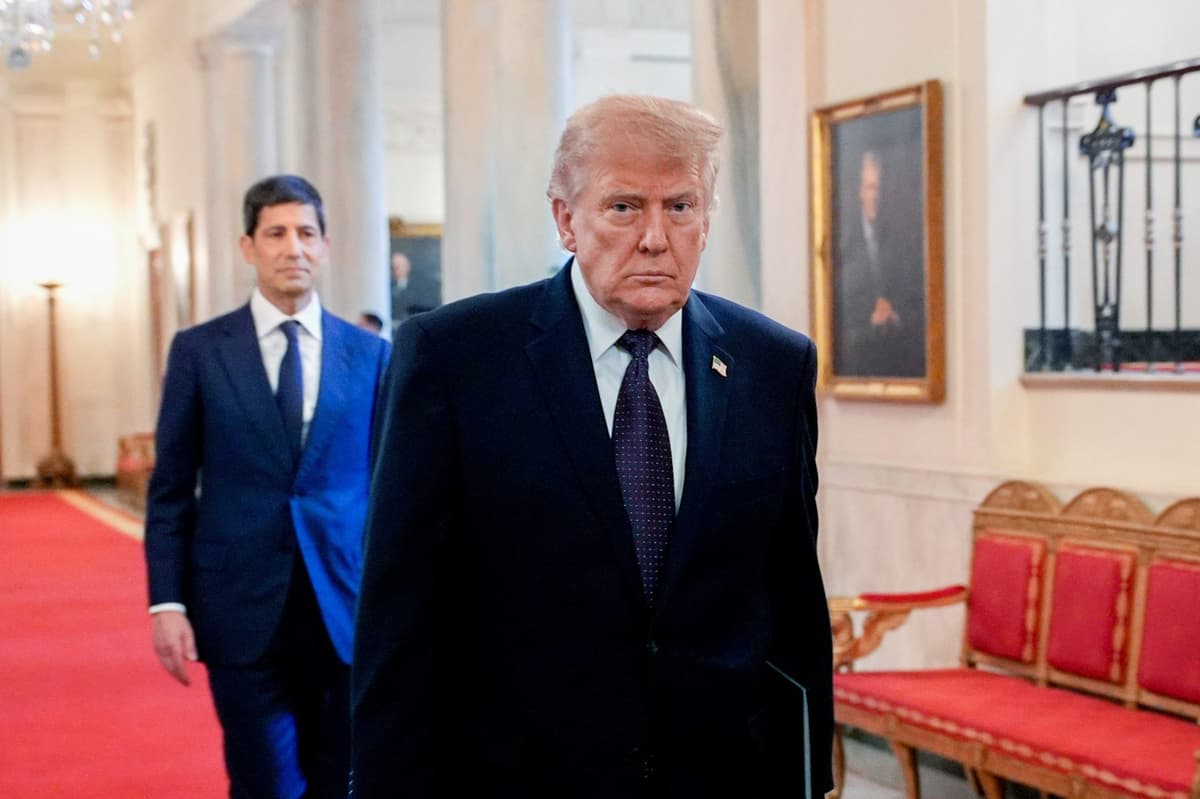
U.S. Debt Is the ‘Elephant in the Room’ Amid Bond Market Rout as Fed-Fueled Interest Costs Could Drive Even Larger...
Bank of America warns that a resurgence of “bond vigilantes” is driving a sharp sell‑off in U.S. Treasuries, pushing the 30‑year yield to 5.18%, the highest since 2007. The rally is tied not only to hot inflation and geopolitical tension...
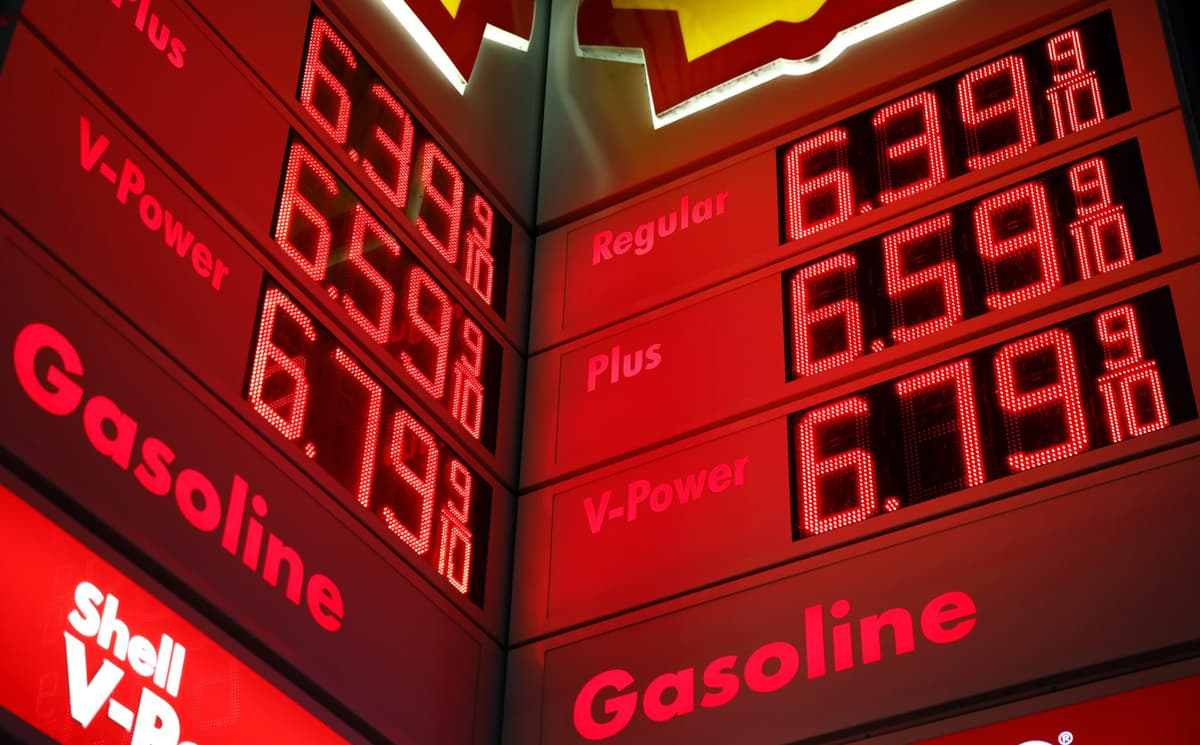
The Fed’s Worst Inflation Fears May Be Coming True as Consumers Lose Faith in Long-Term Prices—And Even Trump Supporters Doubt...
The University of Michigan’s latest consumer sentiment survey shows inflation expectations climbing, with the year‑ahead outlook rising to 4.8% and long‑run expectations jumping to 3.9%, both above the Federal Reserve’s 2% target range. The uptick is tied to higher energy...
Oil Holds Slightly Higher as Fed's Waller Turns Hawkish and Iran Talks Stall
Oil settled marginally firmer after Fed Governor Christopher Waller warned against easing bias, prompting money markets to price a 25‑basis‑point rate hike by year‑end. At the same time, conflicting reports on US‑Iran nuclear talks and a frustrated President Trump added...
U.S. Consumer Sentiment Plummets to Record Low as Inflation and Oil Prices Squeeze Households
The University of Michigan’s consumer sentiment index fell to a record low, while one‑year and five‑year inflation expectations rose sharply. 57% of respondents said high prices are eroding their personal finances, a trend amplified by recent oil price spikes and...
Cleveland Fed Predicts May CPI Rise to 4.2%
April y/y CPI was 3.8% The Cleveland Fed’s inflation nowcast has May y/y CPI jumping to 4.2%.
US Economy Bounces Back, Bolstering Dollar Strength
Week Ahead: US Economic Resilience Supports the Dollar: The resilience of the US economy is remarkable. The economy bounced back from near stagnation in Q4 25 (0.5% annualized pace) to 2% in Q1 26 and, and perhaps to 4.3% this...

Week Ahead: US Economic Resilience Supports the Dollar
U.S. economic activity rebounded sharply, with the Atlanta Fed’s GDP tracker suggesting a 4.3% annualized pace in Q1 2026, outpacing Bloomberg’s median forecast of 2.1%. The stronger outlook lifted Fed‑funds futures, implying an 85% probability of a rate hike this...
Kevin Warsh Sworn in as Fed Chair, Raising Questions on Policy Direction and Independence
Kevin Warsh was sworn in as the 17th Federal Reserve chair in a White House East Room ceremony overseen by Justice Clarence Thomas and attended by President Donald Trump. The appointment comes amid soaring oil prices, stubborn inflation and heightened...

Why Bond Yields Matter More than Most Investors Realise
The U.S. 10‑year Treasury yield is a pivotal gauge of growth and inflation expectations, shaping borrowing costs, equity valuations, currency movements, and global capital flows. It is widely regarded as the single most important financial metric, influencing investors, policymakers, and...
Mortgage Rates Hit 9‑Month High, Homebuyer Financing Tightens
The average 30‑year fixed mortgage jumped to 6.51%, up from 5.98% at February’s end, pushing borrowing costs higher and curbing home‑buyer activity. The surge reflects higher Treasury yields and persistent inflation, threatening the spring sales season.
Gallup Economic Confidence Index Slides to -45, Worst Since 2022
Gallup's Economic Confidence Index dropped to -45 in May, its lowest level since October 2022. The decline reflects heightened pessimism about current conditions and the economy’s direction, with inflation and soaring gas prices cited as key drivers. The dip underscores...
Economists Raise US Inflation to 3.9% Q2, Delay Fed Cut to Late 2026
A Bloomberg survey of leading economists raised the Q2 personal consumption expenditures price index to 3.9% YoY, up from 3.6% a month earlier, and pushed the Federal Reserve’s next rate‑cut expectation to late 2026. The revisions reflect a widening price...
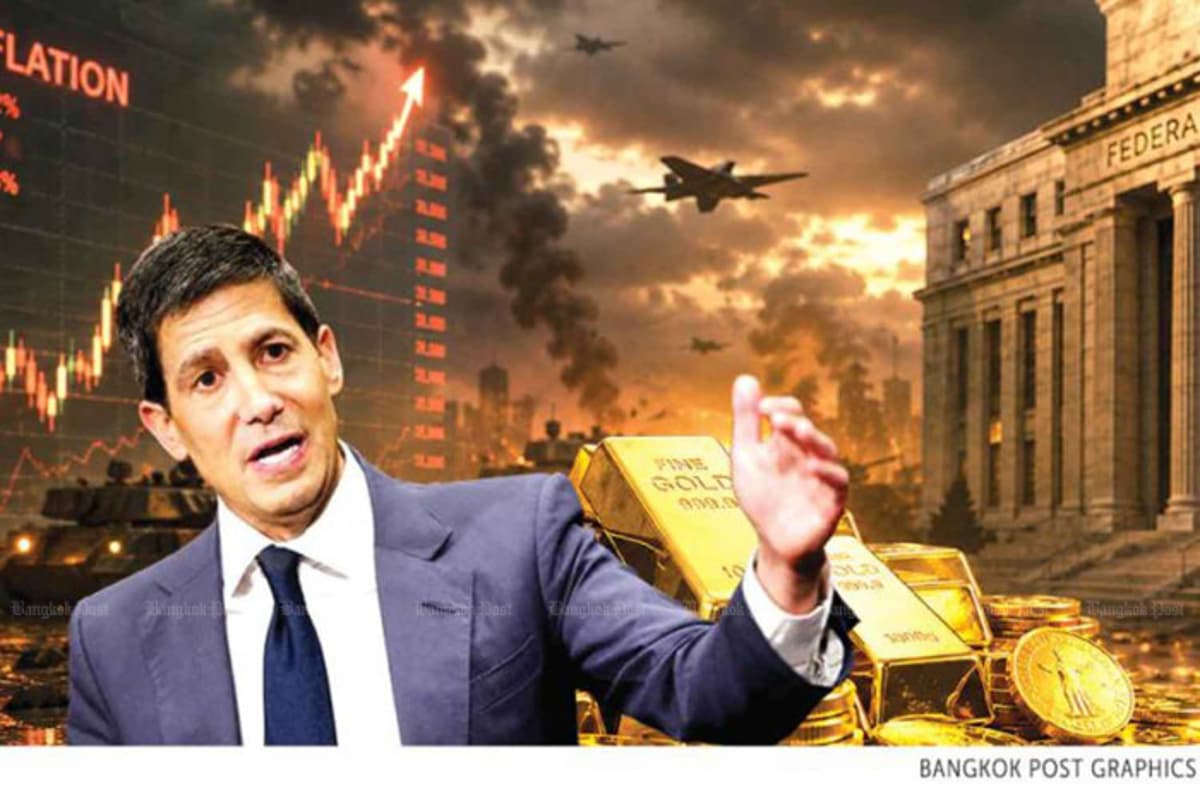
New Fed Chief Faces Immediate Pressure
Kevin Warsh, a former Fed governor known for hawkish views, has taken over as chair, succeeding Jerome Powell. Although nominated by President Trump to spur rate cuts, Warsh faces stubborn inflation—CPI at 3.8% in April—and an oil‑price surge from the...
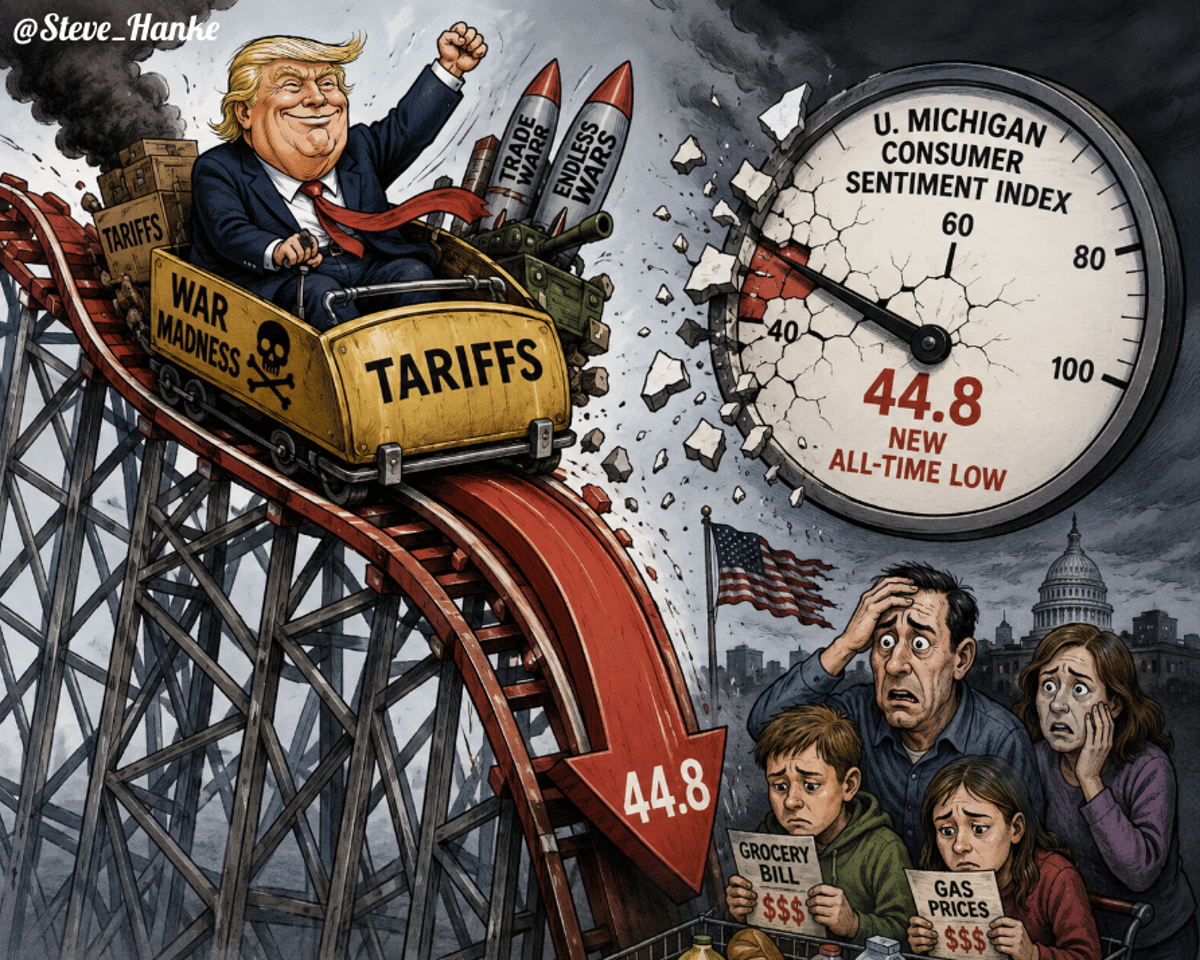
Trump Tariffs and War Plunge Consumer Sentiment to Record Low
The University of Michigan's consumer-sentiment index dropped to a NEW ALL-TIME LOW. TRUMP'S TARIFFS & WAR MADNESS = CRUSHES AMERICAN SENTIMENT. https://t.co/jgRxLOfRVc

Kevin Warsh Sworn in as Fed Chair, as Traders Forecast Rate Hikes in 2026
Kevin Warsh was sworn in as the Federal Reserve chairman, with President Donald Trump emphasizing the Fed's independence on interest‑rate policy. Traders using CME's FedWatch tool see a 0% probability of any rate cuts through 2026 and are pricing modest...
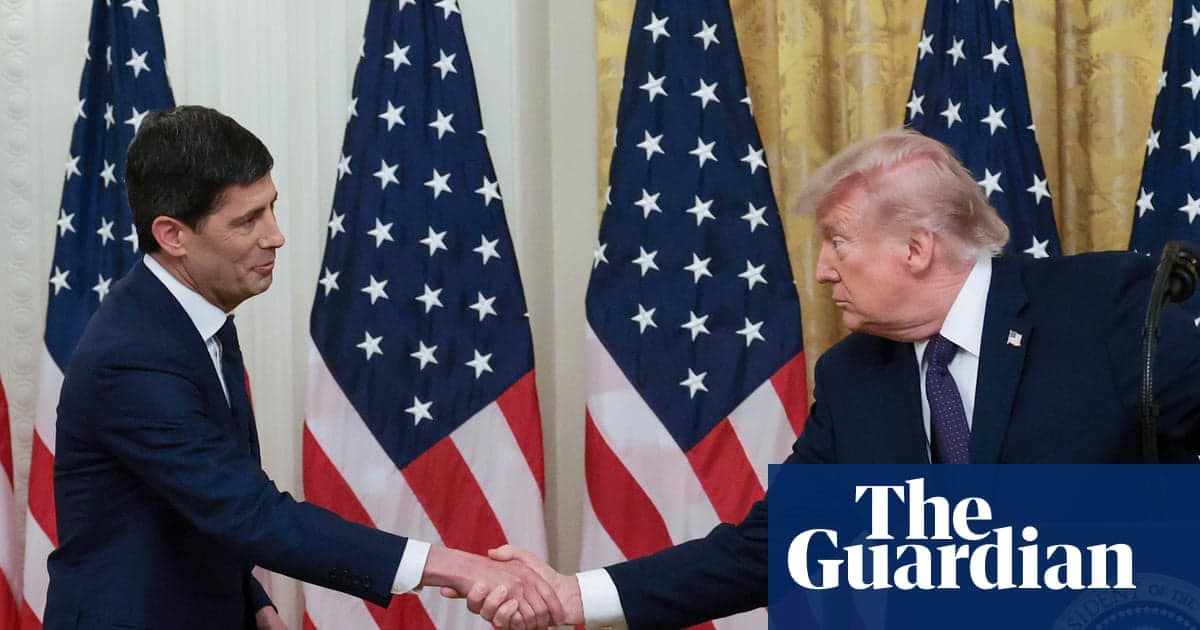
Kevin Warsh Sworn in as Fed Chair as Trump Faces Backlash over Economy
Kevin Warsh was sworn in as the new Federal Reserve chair, a hand‑picked choice of President Donald Trump, as the administration faces mounting criticism over the economy. Warsh inherits a Fed under pressure to cut rates while inflation rose to...
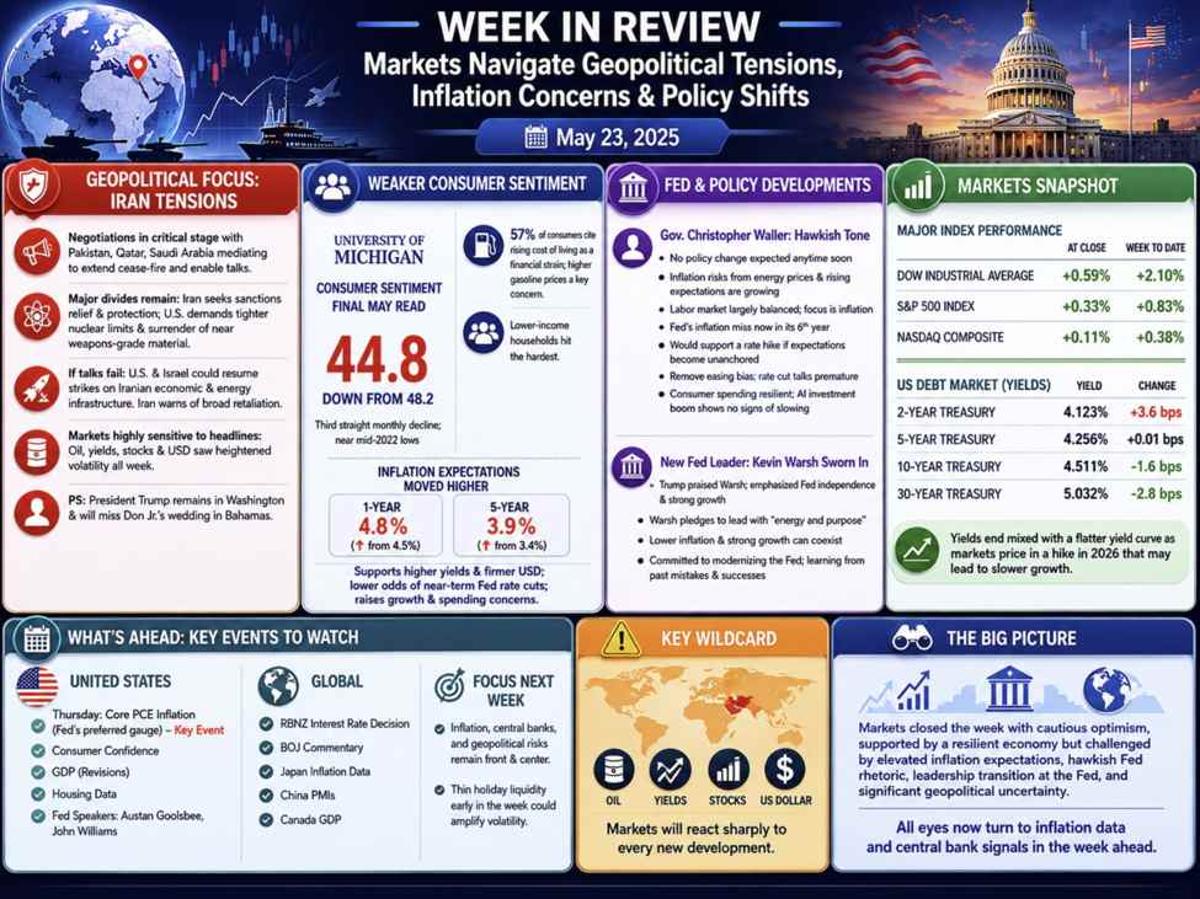
InvestingLive Americas FX News Wrap 22 May: Markets Eye Iran Talks, Fed Signals Now
Markets ended the week focused on escalating Iran negotiations, which remain in a critical stage as mediators seek a temporary cease‑fire but major gaps persist over Tehran’s nuclear program. At the same time, President Trump swore in Kevin Warsh as...
Kevin Warsh Takes Oath of Office as Chairman and a Member of the Board of Governors of the Federal Reserve...
Kevin Warsh was sworn in as chairman and board member of the Federal Reserve on May 22, 2026. The Federal Open Market Committee unanimously selected him as its chairman the same day. President Donald Trump nominated Warsh in March, and the Senate...
US Treasury Yields Hit 5.19% as Fed Signals More Rate Hikes, Raising Mortgage and Credit‑Card Costs
U.S. Treasury yields surged, with the 30‑year benchmark reaching 5.19%—its highest level since the 2008 crisis—after Federal Reserve officials signaled a renewed willingness to raise rates. The jump is already lifting mortgage and credit‑card rates, tightening borrowing costs for households.

What to Expect From a Warsh-Led Fed
J.P. Morgan chief U.S. economist Michael Ferole breaks down what to expect from new Fed Chair Kevin Warsh, whose past statements swing between hawkish and dovish. Ferole notes the FOMC is already shifting toward a more hawkish stance, with limited...
Trump Calls for Fed Independence as Warsh Takes the Helm
Kevin Warsh was sworn in as Federal Reserve chair at a White House ceremony, ending a contentious confirmation that split 54‑45 in the Senate—the most divided vote in Fed history. President Donald Trump publicly demanded lower rates while insisting the...
Sales Grew in April Despite High Gas Prices and Sustained Inflation
Retail sales climbed for a seventh straight month in April, posting a 0.34% seasonally adjusted increase month‑over‑month and a 5.73% rise year‑over‑year, despite higher gasoline prices and lingering inflation. The NRF/CNBC Retail Monitor, which draws on anonymized credit‑card and debit‑card...
Warsh Praises Greenspan, Sidesteps Recent Fed Chairs
Warsh, in his first speech as Fed Chair, references Alan Greenspan's contributions -- not those of his successors. Not coincidentally, I would think, Warsh has been critical of Bernanke's, Yellen's and Powell's policies. He only says he's known 5 of...
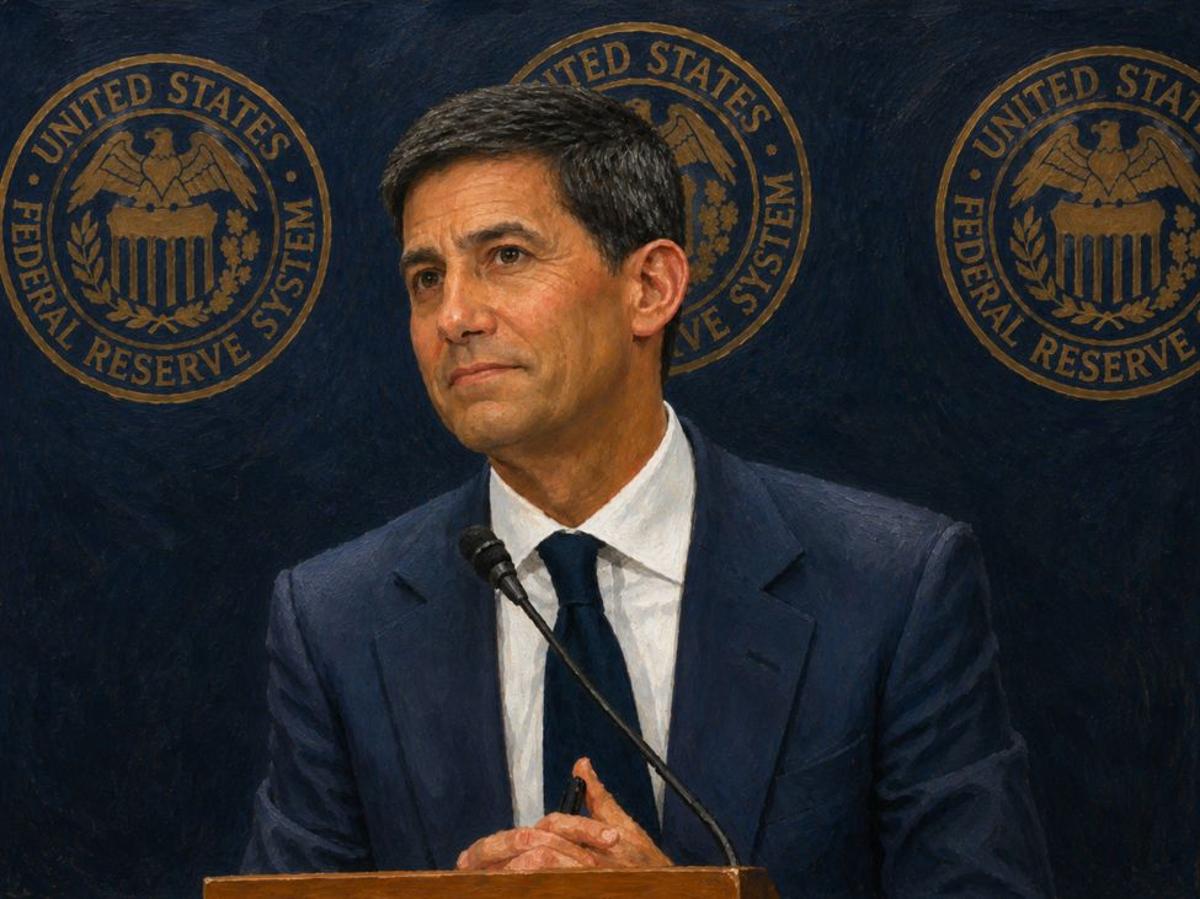
New Fed Chair Warsh: Ours Is a Time of Great Consequence
Jerome Warsh was confirmed as the 17th chair of the Federal Reserve, thanking President Trump and pledging to lead with "energy and purpose." He promised a reform‑oriented Fed focused on lowering inflation while sustaining strong growth. In the immediate aftermath,...